 Food Storage
Is That Half Jar of Opened Pasta Sauce in the Fridge Still Safe?
 By the CookClear writers
Checked against USDA and FDA food safety guidance
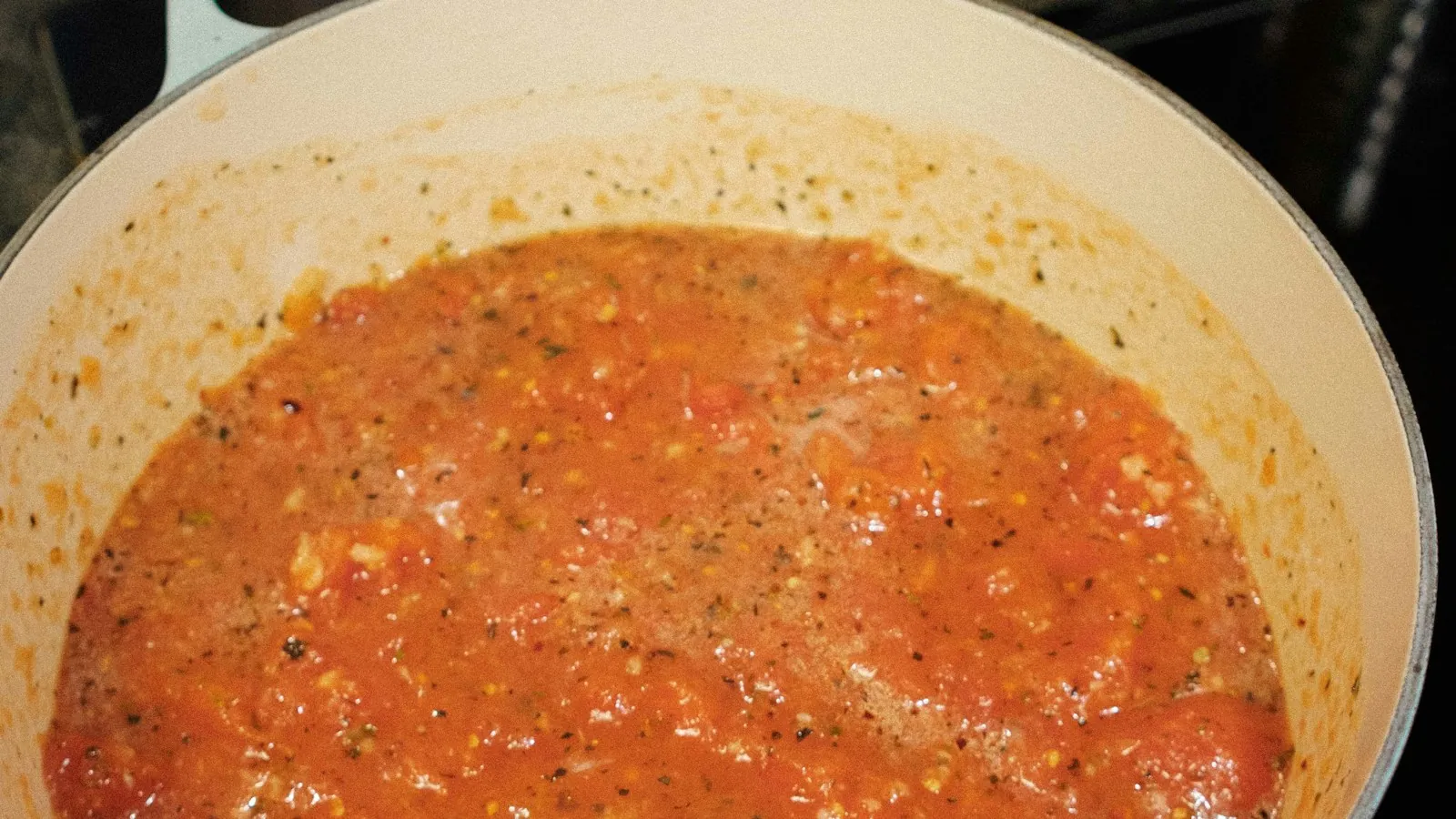
 Clear Answer
An opened jar of tomato-based pasta sauce is safe for about 5 to 7 days in a refrigerator kept at 40°F or below. Cream sauces such as Alfredo get a shorter window: plan on 3 days, which is what Prego tells customers for its Alfredo and cooking sauces. If you will not finish the jar inside that time, freeze the rest early instead of waiting to see how it looks.
The clock starts the day you break the seal, not the date on the lid. The "best by" date only covers the sealed jar sitting in your pantry.
Why does tomato sauce last longer than cream sauce?
Tomatoes are a high-acid food, and USDA guidance for high-acid canned goods (tomato products, fruit juices, pickles) is that they keep five to seven days in the fridge after opening. That acidity slows the growth of many bacteria, though it does nothing to stop mold, which is happy in acidic food.
 On the menu10 questions
Cream and cheese sauces have far less acid and a lot of dairy protein and fat. That is an easier place for bacteria to grow, so the window shrinks to a few days. Pesto and oil-based sauces sit in a different spot again, because garlic and herbs held under oil need cold storage and careful handling once the jar is open.
Common jarred sauces after opening:
| Sauce type | Fridge (40°F or below) | Freezer, best quality | Notes |
|---|---|---|---|
| Marinara, tomato basil, arrabbiata | 5 to 7 days | Up to about 6 months | Highest acid, most forgiving |
| Tomato sauce with meat (jarred) | 5 to 7 days, err toward 5 | Up to about 6 months | Treat like the plain red sauce, but use sooner |
| Vodka sauce | 3 to 5 days | A few months | Cream lowers the acidity |
| Alfredo, four cheese, other cream sauces | 3 days (Prego's guidance) | Not ideal, may separate | Mold shows easily on pale sauce |
| Pesto (jarred, refrigerated after opening) | Follow the label, usually about 1 week | Freezes well in small portions | Keep a thin layer of oil on top |
| Homemade tomato sauce | 3 to 4 days | Up to about 6 months | No commercial processing to help |
The homemade line is the one people stretch the most. Once you cook a sauce yourself it counts as a leftover, so the usual leftovers window applies. For most homemade sauces that means three to four days in the fridge.
Does the date on the jar matter once it is open?
Not much. The "best by" or "best used by" date is a quality date for an unopened jar stored somewhere cool. Prego, for example, prints it on the shoulder of the jar and asks you to keep sealed jars where temperatures rarely go above 70°F.
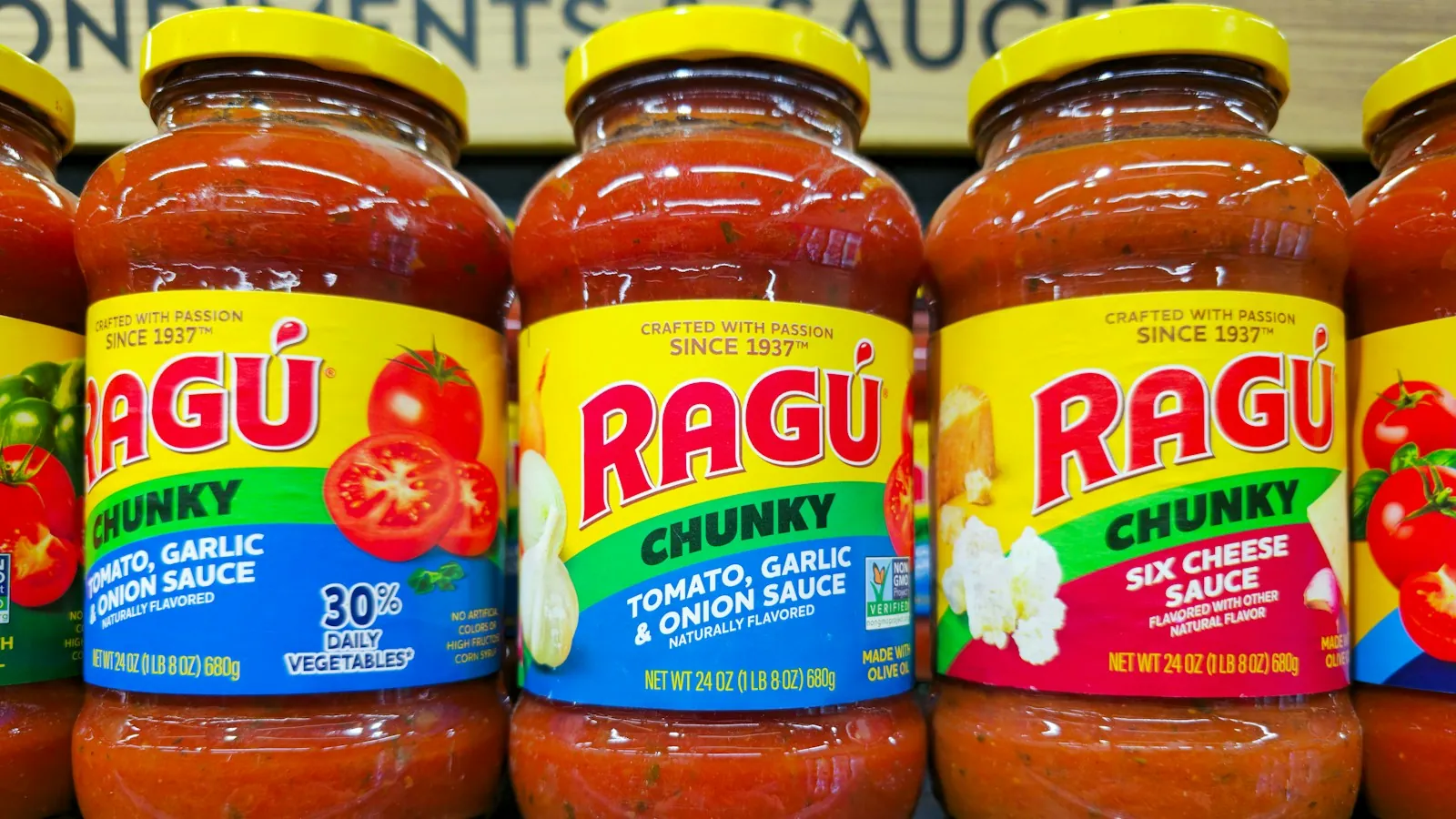
After opening, the sauce is exposed to air, to whatever is on your spoon, and to the inside of your fridge. That exposure is what limits it, so a jar with a best-by date a year out still only gets about a week once it is open.
Prego is notably cautious about putting a single number on its red sauces. Its FAQ says quality depends on how cold your fridge is and how long the jar sat out, and asks you to check the look and smell before eating, "especially if several weeks have passed since the product was first opened." That is a quality statement from a manufacturer. The 5 to 7 day range is the safer rule.
What makes an open jar spoil faster?
A few habits cut that week down to a few days. Most of them happen in the first ten minutes after you open the jar.
- Leaving it out during dinner. The 2-hour rule applies to sauce too. Perishable food should not sit between 40°F and 140°F for more than 2 hours, or more than 1 hour if the room is above 90°F. A jar left on the counter through dinner and dishes can blow past that.
- Double dipping. A spoon that touched cooked pasta, raw meat, or your mouth carries bacteria straight into the jar. Pour out what you need instead.
- A warm fridge. A lot of home fridges run warmer than people think. Use an appliance thermometer and aim for 40°F or below; 37°F gives you more margin.
- Storing it in the door. The door is the warmest spot and swings in temperature every time you open it. Put sauce on a shelf toward the back.
- Sauce on the rim and threads. Dried sauce around the lid is an easy spot for mold, and it breaks the seal so air gets in.
How to store an open jar so you get the full week
The original glass jar is a fine storage container. It is airtight once you close it properly, and glass does not pick up the tomato stain or smell that plastic does.
- Pour, don't scoop. Tip the sauce you need into a measuring cup or straight into the pan, then close the jar right away.
- Wipe the rim. Run a damp paper towel around the threads and the inside of the lid before you screw it back on.
- Refrigerate promptly. Get it back in the fridge as soon as you are done cooking, well inside the 2-hour limit.
- Write the date on the lid. A strip of masking tape and a marker settles every "when did we open this" argument.
- Move canned sauce out of the can. If your sauce came in a metal can, transfer leftovers to a glass or plastic container with a tight lid. Opened cans can give food a metallic taste.
- Decide by day 3. If you know you won't use the rest that week, freeze it now while it is at its best.
Can you freeze leftover pasta sauce from the jar?
Yes, and tomato sauce freezes very well. Kept at 0°F, it stays safe indefinitely, and the quality holds up for roughly six months before freezer burn and flavor loss start to show.
Do not freeze it in the original glass jar if the jar is full. Sauce expands as it freezes and can crack the glass. Either pour off an inch or two to leave headspace, or move it to freezer bags or containers.
Some ways to make frozen sauce easier to use:
- Freeze it flat in quart zip-top bags. They stack like files and thaw in about an hour in a bowl of cold water.
- Portion it into 1-cup containers, which is about right for a pound of pasta with a light coat, or two servings with more sauce. A cup is also handy for layering a lasagna, and if you are out of ricotta for it, cottage cheese or béchamel can fill that layer.
- Freeze small amounts in a muffin tin, then pop the pucks into a bag. They are handy for a single pizza or a pan of eggs in purgatory.
- Label every bag with the date and what is in it. Frozen red sauce, chili, and soup look alike.
Thaw frozen sauce in the fridge overnight, or in sealed bags under cold water. Once thawed, use it within 3 to 4 days, and bring it to a simmer before serving.
Alfredo and cheese sauces tend to separate and turn grainy after freezing, the same problem behind a grainy cheese sauce. They are safe, but the texture suffers, so it is usually better to use them up inside their short fridge window.
How do you tell if opened pasta sauce has gone bad?
Look under the lid first. Mold often starts on the underside of the lid or on the surface of the sauce near the rim, as white, gray, green, or fuzzy dark spots. On red sauce it can be hard to spot, so tilt the jar toward the light.
Then use your nose. Good tomato sauce smells sweet and herby. Spoiled sauce smells sour, fermented, or yeasty, sometimes a little like wine. Other signs:
- Fizzing, bubbles, or a lid that is domed or pops when you open it again
- A watery layer with a slimy or stringy texture underneath
- Color that has gone dull brown instead of red
- Any off taste (but don't taste sauce you already suspect)
If the jar is past a week, throw it out even if it looks and smells fine. Some of the bacteria that cause foodborne illness do not change how food looks or smells, so go by the time limit, not the sniff test.
Can you just scrape the mold off?
No. Throw out the whole jar. The USDA's guidance on mold says soft, high-moisture foods can be contaminated below the surface, and the roots of mold reach farther than the spot you can see. For jams and jellies, which are the closest relative to a jar of sauce (the same question comes up with mold on maple syrup), the USDA says microbiologists recommend against scooping out the mold and using the rest, because some molds produce mycotoxins.
Hard cheese and firm vegetables are the exceptions where you can cut away mold. Pasta sauce is soft and wet, so it does not qualify.
Bringing moldy or sour sauce to a boil is not a fix either. Heat kills many bacteria and molds, but it will not destroy toxins some of them have already produced.
Is it safe to keep an open jar for two weeks?
You will see claims online that tomato sauce lasts two weeks or longer after opening, and some people do keep jars that long without getting sick. That comes down to luck and a cold fridge. The USDA's high-acid range tops out at 7 days, and the manufacturers who will give a number for cream sauces go shorter.
If you know you will only use half a jar this week, freeze the other half the day you open it. You get the convenience of a big jar without gambling on day 12. The same freeze-early habit works for most opened pantry staples.
A carton of broth or stock sitting next to the sauce is a lower-acid food with a shorter window, so give opened chicken broth its own, tighter clock.
Quick answers for the most common situations
| Situation | What to do |
|---|---|
| Jar opened 4 days ago, fridge cold, looks and smells normal | Use it, ideally today or tomorrow |
| Jar opened 8 days ago, looks fine | Throw it out |
| Spot of mold on the lid only | Throw out the whole jar |
| Sauce sat out overnight after dinner | Throw it out, it exceeded the 2-hour rule |
| Alfredo opened 4 days ago | Throw it out |
| Sauce frozen 5 months ago | Safe; check quality after thawing |
 How to judge jars worth keeping in the fridge
A taste test helps decide which sauces are worth buying, and so worth storing with care once opened. America's Test Kitchen compares the best and worst jars.
The Best and Worst Pasta Sauces at the Grocery Store | The Taste Test
By America's Test Kitchen on YouTube. Their method may vary a little from ours. Watch on YouTube
- Pay attention to how each sauce is described, since a better jar is one you will finish within 5 to 7 days.
- Notice the texture and color of the sauces, then compare them with what a fresh opened jar should look like before spoilage.
- Think about whether the sauce is tomato-based or creamy, because cream sauces only keep about 3 days once opened.


