 Substitutes
Does Baking Soda Really Do the Same Job as Baking Powder in Cookies?
 By the CookClear writers
Checked against test kitchen and baking science sources
 Clear Answer
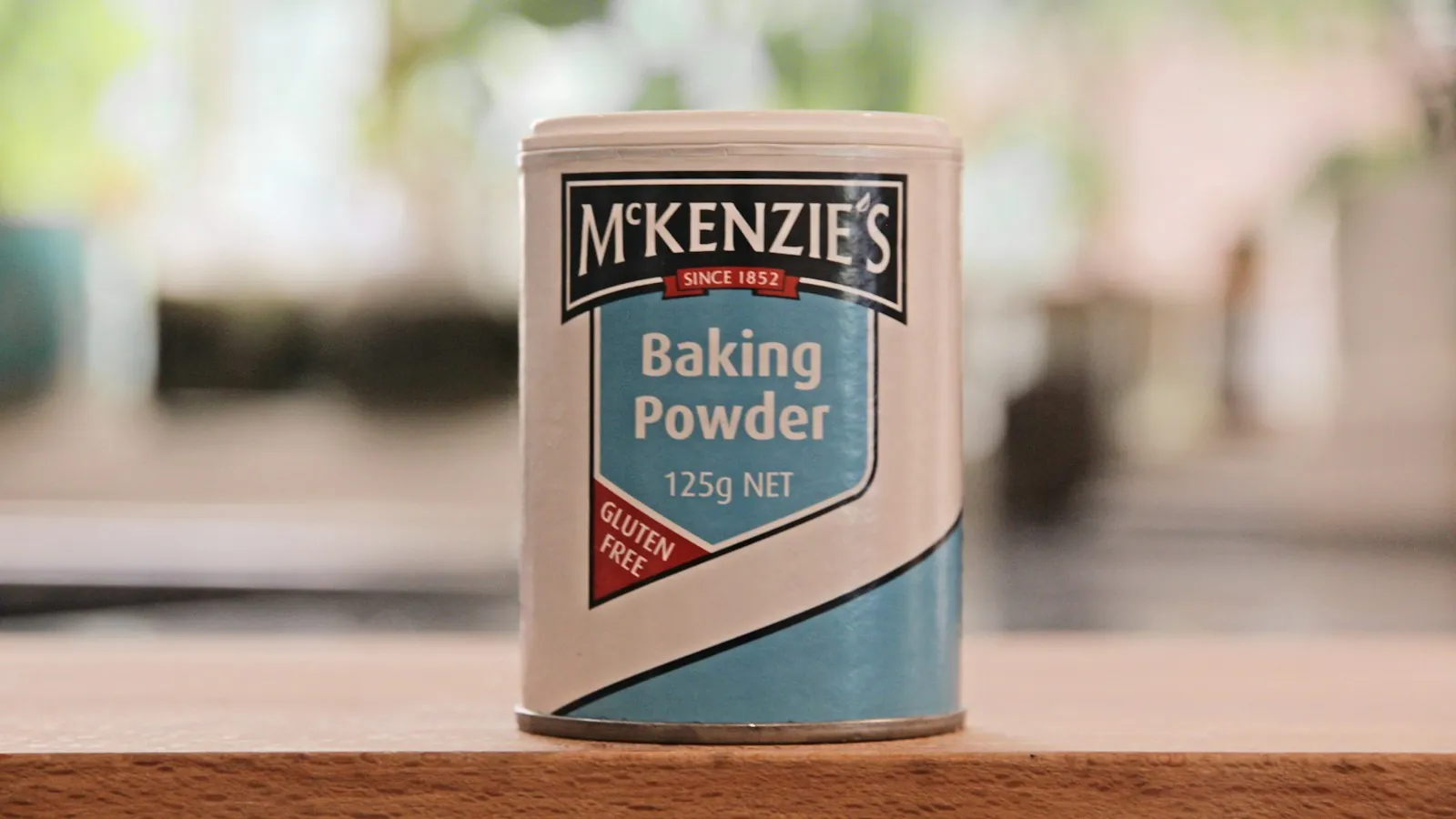
No. Baking soda is roughly 3 to 4 times stronger than baking powder and only works when it meets an acid, while baking powder carries its own. Swap them at the same amount and your cookies can taste soapy, spread too far, or barely rise, so change the quantity and sometimes add an acid.
What each one actually does in the dough
Baking soda is pure sodium bicarbonate. On its own it is a base, and it releases carbon dioxide only when it reacts with something acidic in the dough: brown sugar, molasses, buttermilk, yogurt, honey, natural cocoa, or lemon juice. Heat also breaks it down slowly, but not enough to give you a clean rise.
 On the menu10 questions
Baking powder is baking soda already mixed with a dry acid (usually cream of tartar, sodium aluminum sulfate, or monocalcium phosphate) plus a little cornstarch to keep it dry. Most baking powder sold in the US is double-acting. It releases some gas when it gets wet and the rest when it heats up in the oven. It is also what gives self-rising flour its lift.
That difference explains most of how they behave: soda depends on the recipe to supply the acid, and powder brings its own.
How they change a cookie's texture and color
Leavening in cookies affects spread, color, and texture as well as height. Soda and powder push a cookie in different directions, which is why many recipes use both.
| Baking soda | Baking powder | |
|---|---|---|
| What it is | Sodium bicarbonate (a base) | Soda plus dry acid plus starch |
| Needs an acid in the recipe | Yes | No |
| Relative strength | About 3 to 4 times stronger | Weaker per teaspoon |
| Typical amount | About 1/4 tsp per cup of flour | About 1 to 1 1/4 tsp per cup of flour |
| Effect on spread | More spread, flatter cookie | Less spread, puffier cookie |
| Effect on browning | Deeper browning, toasty flavor | Paler, more even color |
| Typical texture | Chewy, crisp edges, crackly top | Soft, cakey, tender |
| Problem if overused | Soapy or metallic taste, dark spots | Bitter taste, cookie rises then collapses |
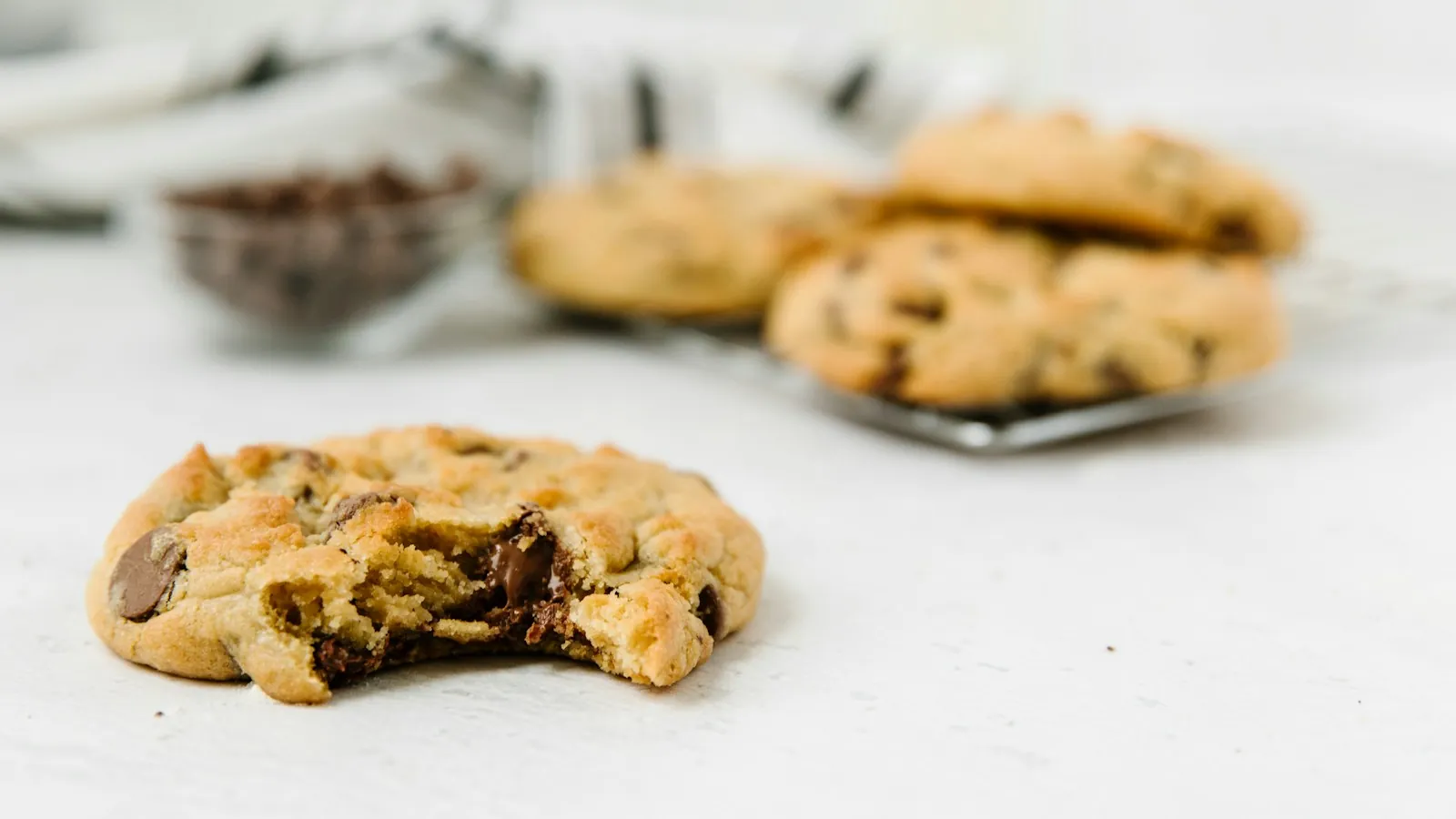
Baking soda raises the pH of the dough. A more alkaline dough weakens gluten a bit and lets the cookie spread before it sets. It also speeds up the Maillard reaction, so cookies brown faster and taste more caramelized. This is a big reason the classic chocolate chip cookie uses soda.
Baking powder keeps the dough closer to neutral. The cookie sets with more lift and less spread, and the crumb turns soft and cake-like. Think snickerdoodles (which often use cream of tartar and soda, effectively homemade powder), sugar cookies meant to hold a shape, or puffy drop cookies.
Using baking soda when the recipe calls for powder
Using baking soda instead of baking powder is the swap that needs the most care, because soda is stronger and needs a partner. The standard formula for replacing 1 teaspoon of baking powder:
- Measure 1/4 teaspoon baking soda.
- Add 1/2 teaspoon cream of tartar (the acid that baking powder would have supplied).
- Whisk both into the dry ingredients so they're evenly spread through the flour.
- Get the dough into the oven within about 15 minutes. Homemade powder is single-acting, so most of the gas releases as soon as it gets wet.
No cream of tartar? You can use a liquid acid instead. Replace about 1/2 cup of the recipe's liquid with buttermilk (a quick soured milk works) or plain yogurt, or add 1/2 teaspoon of lemon juice or vinegar per 1/4 teaspoon of soda. Most cookie doughs have very little liquid, though, so cream of tartar is the cleaner option.
If you skip the acid and just use 1/4 teaspoon of soda, a dough heavy in brown sugar may still rise reasonably well. A dough made only with white sugar and butter will come out flatter and a little soapy, because nothing neutralizes the soda.
Swapping powder in when you're out of soda
Using baking powder instead of baking soda is easier but less precise. Since powder is weaker, you need about 3 times as much: roughly 3 teaspoons of baking powder for every 1 teaspoon of baking soda, which is one level tablespoon.
That much powder brings extra acid and salt, and it can taste bitter or chemical. For most cookie recipes that call for 1/2 to 1 teaspoon of soda, using 1 1/2 to 3 teaspoons of powder is workable. Above that, the off-flavor gets noticeable.
Expect the cookies to look different. They will brown less, spread less, and come out softer and puffier. Chocolate chip cookies made this way taste fine but read more like small cakes than the chewy, flat cookie you're used to. Pressing the dough balls slightly flat before baking helps them look closer to the original.
Why some recipes use both baking soda and baking powder
Many cookie recipes list a little of each, say 1/2 teaspoon soda and 1/2 teaspoon powder, because each does a separate job.
- Soda neutralizes acid. Brown sugar, cocoa, or buttermilk would make the cookie taste tangy and set too pale. A measured amount of soda balances that.
- Soda drives browning and spread. It gives the flavor and the chewy, flat shape.
- Powder adds lift beyond what the acid can support. Once the recipe's acid is used up by the soda, powder supplies more rise without adding more alkalinity.
When you see both, the baker is tuning texture, and changing either one will show in the cookie.
Signs you got the leavening wrong
If a batch looks off, check this list before blaming your oven.
- Soapy, salty, or metallic taste: too much soda, or soda without enough acid to react with.
- Yellowish or freckled brown spots: clumps of undissolved soda. Whisk it into the flour or sift it.
- Flat, greasy cookies that ran together: too much soda, butter that was too warm, or both.
- Domed, cakey cookies when you wanted chewy: too much powder, or powder used in place of soda.
- Bitter aftertaste: too much baking powder.
- Cookies that rose and then sank into craters: too much leavening overall. The gas expanded faster than the structure could hold.
- Pale, dense cookies with little rise: expired leavener.
How to tell if baking powder and soda are still good
Both lose strength over time, especially in a humid kitchen. An open box of baking powder is usually good for about 6 months. Baking soda lasts longer, but once opened it can absorb moisture and odors from the fridge or pantry.
Test them before you blame the recipe:
- Baking powder: stir 1/2 teaspoon into 1/4 cup of hot water. It should fizz right away.
- Baking soda: stir 1/4 teaspoon into 2 teaspoons of vinegar or lemon juice. It should bubble hard immediately.
Weak fizz means it's time for a new container. Leavening is cheap, and a box that fails costs you a whole batch of butter, sugar, and chocolate.
Does it matter for flavor, or only for rise?
It affects both, and flavor is where most people notice the swap first. Soda's browning gives cookies a deeper, almost toffee-like taste. Take it out and the cookie loses some of that caramel note even if the size looks right.
Too much soda goes the other way. Even 1/4 teaspoon more than the dough needs can leave a soapy edge on the tongue. Powder is more forgiving on flavor, but at 2 or 3 teaspoons per batch some people taste a bitter or slightly metallic finish, mostly from aluminum-based acids. Aluminum-free baking powder tastes cleaner if that bothers you.
Salt plays in too. Baking soda contains sodium, so if you add extra soda you may want to cut the recipe's salt by a pinch, the same adjustment you make when baking with salted butter.
Quick substitution reference
| You need | You have | Use this |
|---|---|---|
| 1 tsp baking powder | Baking soda + cream of tartar | 1/4 tsp soda + 1/2 tsp cream of tartar |
| 1 tsp baking powder | Baking soda + buttermilk | 1/4 tsp soda, replace 1/2 cup liquid with buttermilk |
| 1 tsp baking powder | Baking soda + lemon juice | 1/4 tsp soda + 1/2 tsp lemon juice |
| 1 tsp baking soda | Baking powder only | About 3 tsp baking powder |
| 1/2 tsp baking soda | Baking powder only | About 1 1/2 tsp baking powder |
If you bake a lot, keep both on hand along with a small jar of cream of tartar. That covers almost every cookie recipe without guesswork, and a few baking swaps cover most remaining gaps. Write the date you opened each box on the lid with a marker, so you know when to run the fizz test.
 Baking soda or baking powder: how cookies differ
Spread, browning, and crumb are visual results, so seeing how each leavener behaves in a dough is more useful than reading about it. Thomas Joseph shows which one suits which dough.
Baking Powder vs. Baking Soda- Kitchen Conundrums with Thomas Joseph
By Everyday Food on YouTube. Their method may vary a little from ours. Watch on YouTube
- Compare the color and spread of cookies made with soda against the table above on browning and texture.
- Notice which ingredients in the dough supply the acid that baking soda needs to react.
- Watch for any fizz or test of freshness and compare it with the 1/4 teaspoon in vinegar test described above.


