 Substitutes
Is There a Mayo Substitute That Tastes Good in Tuna or Chicken Salad?
 By the CookClear writers
Checked against test kitchen and baking science sources
 Clear Answer
Yes. Plain Greek yogurt, mashed avocado, hummus, and a mustard vinaigrette all make a good tuna or chicken salad, and a 50/50 yogurt and mayo blend is closest if you only want to cut back. Just replace what mayo was doing, usually with a spoon of olive oil for fat or a squeeze of lemon for acid.
Most failed mayo-free salads taste fine on the first bite and then go dry, sour, or watery by lunch the next day. All three problems are fixable.
What mayo is actually doing in the bowl
Mayonnaise is mostly oil held in an emulsion by egg yolk, seasoned with acid and salt. In a salad, that oil coats every flake of tuna or shred of chicken, which keeps lean protein from tasting chalky. The emulsion also acts as glue, so a scoop holds its shape on bread.
 On the menu9 questions
When you take mayo out, you lose three things at once:
- Fat, which makes lean meat feel moist in your mouth.
- Binding, the sticky quality that keeps the salad from falling apart.
- Seasoning, since mayo already carries salt and a gentle tang.
Every substitute covers some of those and misses others. Any ingredient swap goes better when you check which of those jobs it leaves undone. Greek yogurt binds well but brings less fat and more sourness. Avocado brings fat but little acid. A vinaigrette brings fat and acid but almost no binding.
The swaps that hold up, ranked by how close they get
Here is how the common options compare in a standard batch made with one 5-ounce can of drained tuna or about 1 1/2 cups of chopped cooked chicken.
| Swap | Starting amount per batch | Closest to mayo? | What it lacks | Quick fix |
|---|---|---|---|---|
| Half mayo, half Greek yogurt | 2 tbsp each | Very close | Nothing much | A pinch of salt |
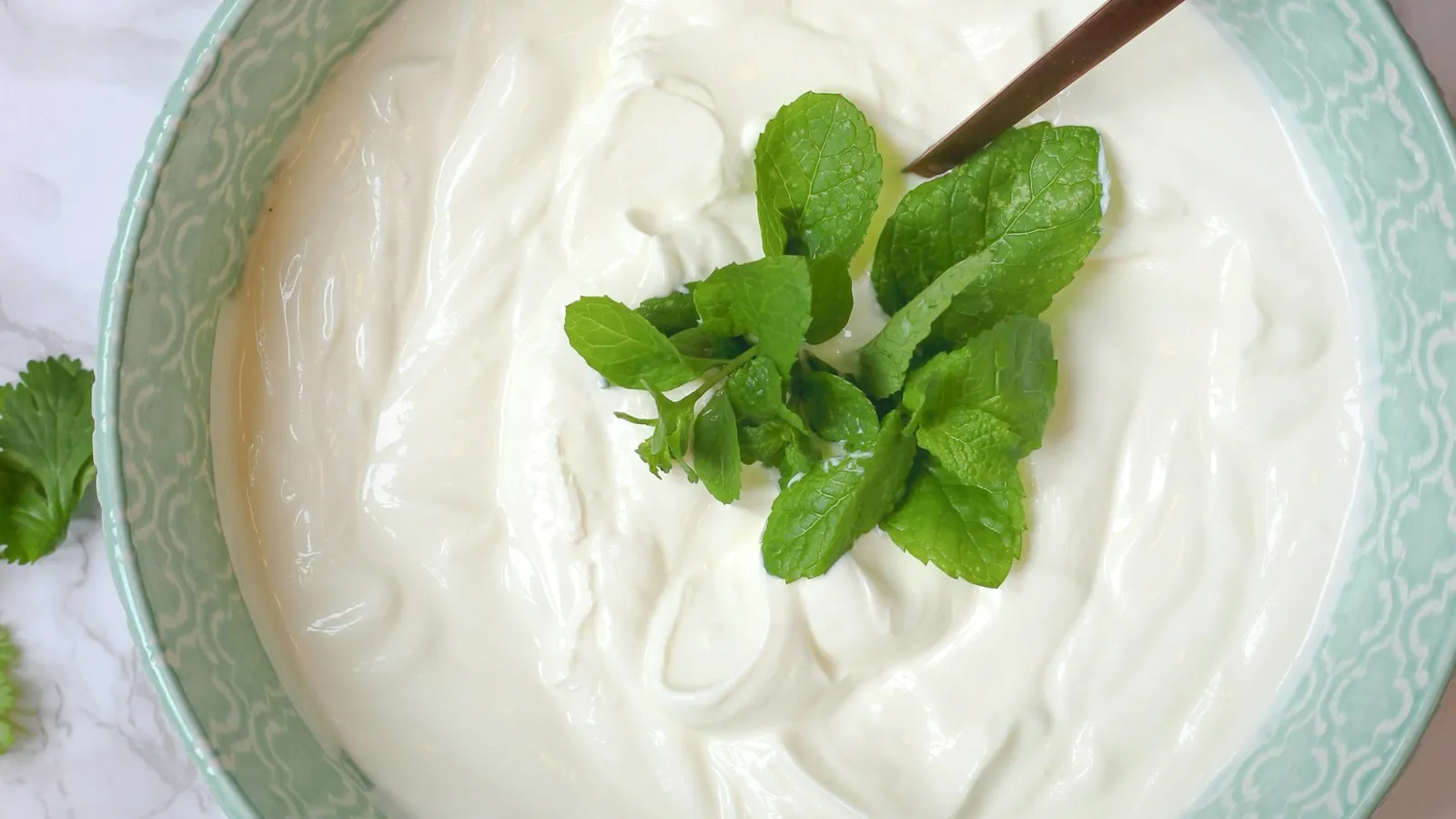
| Plain full-fat Greek yogurt | 3 to 4 tbsp | Close in texture | Fat, mellowness | 1 to 2 tsp olive oil, pinch of sugar or honey |
| Mashed ripe avocado | 1/2 medium avocado | Close in richness | Acid, salt | 1 to 2 tsp lime or lemon juice |
| Hummus | 3 tbsp | Moderate | Tang, looseness | Lemon juice and a splash of water |
| Mustard vinaigrette | 2 tbsp oil, 1 tbsp vinegar, 1 tsp Dijon | Different style | Creaminess | Chop add-ins finer so it holds |
| Sour cream or crème fraîche | 3 tbsp | Close | Some binding when warm | Keep it cold |
| Cottage cheese, blended | 3 to 4 tbsp | Moderate | Smoothness if not blended | Blend first, add lemon |
Treat those amounts as a place to start. Canned tuna packed in oil needs less dressing than water-packed, and chicken breast soaks up more than thigh meat.
Greek yogurt
This is the most common swap, and it works best with full-fat yogurt. Nonfat yogurt makes a salad that tastes thin and sharp. A teaspoon or two of good olive oil stirred into the yogurt first brings back a lot of the roundness mayo gives.
Yogurt is also more acidic than mayo, so cut back on lemon juice or vinegar in your usual recipe. If the salad tastes harsh, a tiny pinch of sugar or a few drops of honey takes the edge off without making it sweet. The same tang shows up when you use Greek yogurt in place of sour cream, so the same fixes apply.
Avocado
Mashed avocado gives you richness that yogurt cannot. It pairs especially well with chicken, cilantro, red onion, and lime. Mash it smooth with a fork before folding in the meat, or you get green lumps instead of a dressing. Pick one that gives slightly to gentle pressure, since a properly ripe avocado mashes smooth while a hard one stays lumpy.
The drawback is color. Avocado browns once it is exposed to air, so an avocado chicken salad looks its best the day you make it. Acid slows the browning but does not stop it.
Hummus
Hummus is thick and already seasoned, and it binds very well. It leans earthy, so it suits tuna with chopped parsley, cucumber, and a squeeze of lemon. Plain or garlic hummus works; roasted red pepper hummus works too if you like the flavor.
It can be stiff straight from the tub. Loosen it with a tablespoon of lemon juice or water before mixing. If you're out of lemons, other acids work.
Mustard vinaigrette
This is how a lot of Mediterranean tuna salads are made, and the result is its own dish. Whisk olive oil, red wine vinegar or lemon, Dijon, salt, and pepper, then toss with tuna, white beans, red onion, and herbs. It will not hold together like a scoop of mayo salad, so it is better on greens, in a pita, or on crackers than in a tidy sandwich.
The mustard does double duty here. It helps the oil and vinegar stay emulsified, which is what gives the dressing a little body.
Making yogurt chicken salad that doesn't taste sour
Yogurt chicken salad is where most people give up, usually because it came out tangy and dry. These steps fix both problems.
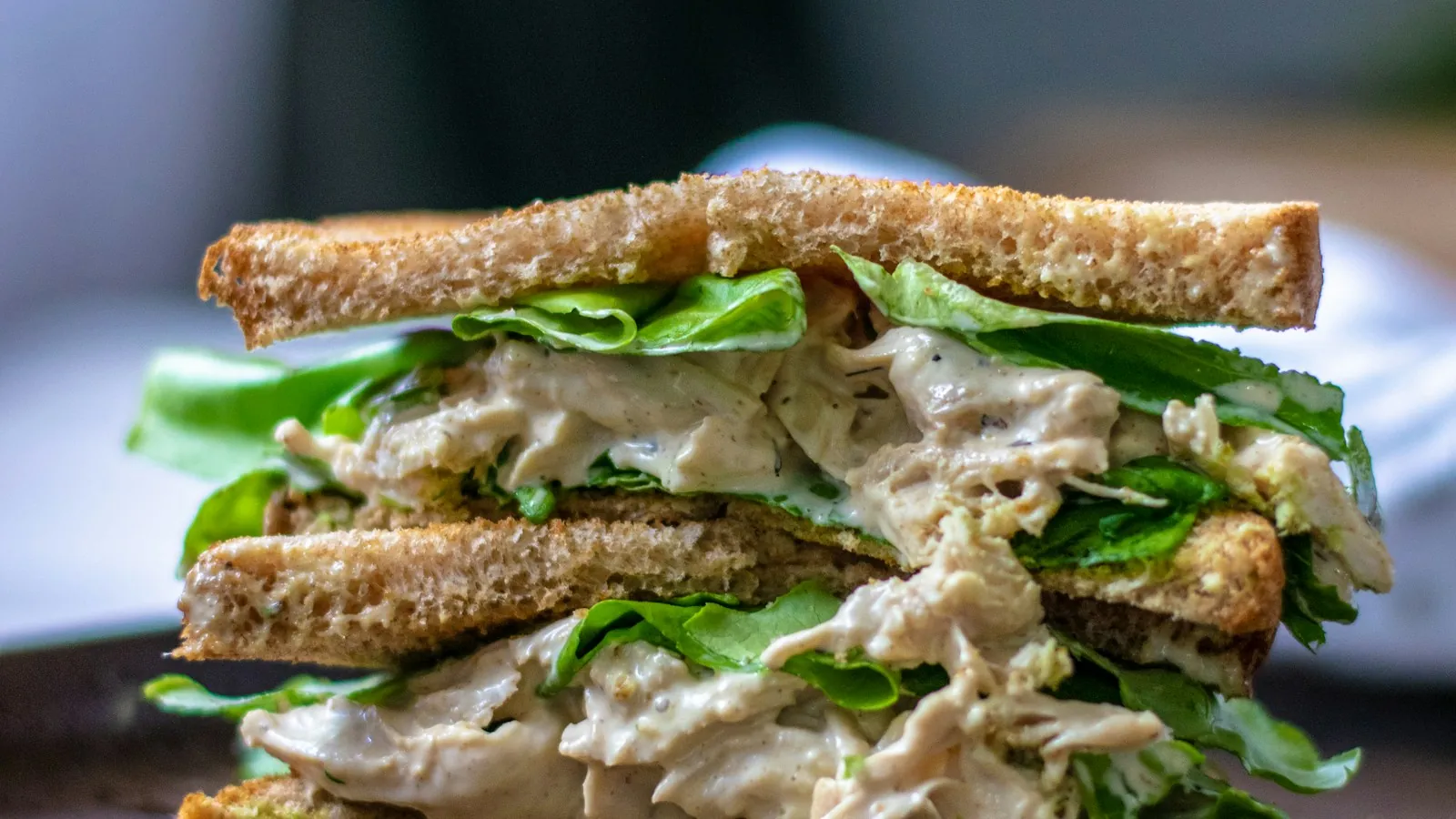
- Season the chicken first. Toss chopped chicken with a pinch of salt and pepper before any dressing goes on. Lean chicken tastes flat if all the salt lives in the dressing.
- Build the dressing in a separate bowl. Stir together 1/3 cup full-fat Greek yogurt, 1 tablespoon olive oil, 1 teaspoon Dijon, and a squeeze of lemon. Taste it on its own.
- Loosen it. Add a teaspoon or two of water or pickle brine. Lean chicken absorbs moisture as it sits, and a slightly loose dressing keeps it from drying out overnight.
- Add something sweet or crunchy. Halved grapes, chopped apple, dried cranberries, celery, or toasted nuts balance the tang.
- Fold, then rest. Mix gently and chill 20 to 30 minutes so the flavors settle. Taste again and adjust the salt.
That ratio dresses about 2 cups of chopped chicken. If you like a wetter salad, add yogurt a spoonful at a time instead of reaching for more oil.
Which swap works better for tuna than for chicken?
Tuna and chicken behave differently, so the same swap does not always win both.
Tuna is already moist (especially oil-packed) and has a strong flavor. It handles bolder binders well: hummus, mustard vinaigrette, or yogurt with capers and dill. Its fishiness can also clash with avocado for some people, though plenty of others like the combo.
Chicken, especially baked breast meat, is milder and drier, so it needs more fat and more seasoning. Avocado and yogurt-plus-oil both suit it. A straight vinaigrette can leave chicken tasting dry unless the meat is thigh or very freshly cooked.
A rough rule:
- For tuna: hummus, vinaigrette, or Greek yogurt with lemon and capers.
- For chicken: avocado, Greek yogurt with a little oil, or a yogurt and mayo blend.
- For both: half mayo and half yogurt, which is the easiest crowd pleaser.
How to keep tuna salad from turning watery
Water pooling at the bottom of the container is the most common complaint about mayo-free salads. It has a few causes, and all of them are easy to head off.
Drain the tuna well. Press the lid firmly into the can, or tip it into a fine strainer and press with a spoon. Extra liquid thins any dressing, and yogurt shows it more than mayo does.
Salt watery vegetables separately or add them late. Cucumber, tomato, and celery release liquid once salted. If you are making the salad ahead, stir those in just before serving, or pat chopped cucumber dry in a towel.
Pick a thicker binder. Greek yogurt is strained and holds up far better than regular yogurt. Regular yogurt will weep almost right away.
Don't overmix. Stirring hard breaks tuna into paste and pulls out more moisture. Fold until just combined.
Do any of these make it last longer in the fridge?
No. A mayo-free tuna or chicken salad lasts just as long as the classic version. FoodSafety.gov lists homemade egg, chicken, ham, tuna, and macaroni salads at 3 to 4 days in the refrigerator, and notes that they do not freeze well.
A common belief is that store-bought mayo is the risky ingredient. The meat and the handling carry more risk. Commercial mayo is acidic, but yogurt, avocado, and hummus are all perishable too, so swapping the binder does not buy you extra time.
The same handling rules apply either way:
- Keep the fridge at 40°F or below.
- Do not leave the salad out for more than 2 hours. Bacteria multiply fastest between 40 and 140°F, which USDA calls the danger zone.
- Pack it with an ice pack if it is going in a lunch bag.
- Use a clean spoon each time you scoop, rather than eating straight from the container.
Avocado-based salads usually look tired before they are unsafe, since the browning shows up within a day. Plan to eat those first.
Can you make tuna salad fully egg-free or dairy-free?
You can. Each swap fits a different need, so choose by what you are avoiding.
Egg-free: Greek yogurt, sour cream, avocado, hummus, and vinaigrette all skip eggs. So do most store-bought vegan mayos, which behave a lot like regular mayo in a salad and are the easiest one-for-one swap.
Dairy-free: Avocado, hummus, vinaigrette, and vegan mayo all work. Mashed white beans (canned or cooked from dried) with olive oil and lemon also make a decent creamy base for tuna.
Both egg- and dairy-free: Avocado, hummus, or a vinaigrette. If you miss the creaminess, blend a few tablespoons of white beans with oil and lemon until smooth and use that as your binder.
Read labels on hummus and flavored yogurts if you are cooking for an allergy, since recipes vary from brand to brand.
Flavor add-ins that cover for the missing mayo
Mayo is mild, which is why classic tuna salad leans on relish and celery for interest. Without it, you can lean harder on flavor and nobody misses the mayo.
- Briny: capers, chopped pickles or cornichons, a splash of pickle brine, chopped olives.
- Sharp: Dijon or whole-grain mustard, minced shallot, red onion soaked in cold water for 5 minutes to soften its bite.
- Fresh: dill, parsley, chives, cilantro, lemon zest.
- Sweet: grapes, apple, dried cranberries, a little honey.
- Crunchy: celery, radish, toasted almonds or walnuts, sunflower seeds.
Pick one or two from different rows rather than all of them. A yogurt tuna salad with capers, dill, and lemon zest tastes deliberate. One with every add-in tastes muddled.
 What creamy tuna or chicken salad looks like without mayo
Creaminess and wateriness are visual judgments, and a swap can look fine in the bowl and weep an hour later. A demonstration of the mixing shows what a well-bound salad should look like.
Yogurt Chicken Salad Without Mayo
By Feelgoodfoodie on YouTube. Their method may vary a little from ours. Watch on YouTube
- Compare the thickness of the dressing with the Greek yogurt and mayo swaps in the ranking table above.
- Notice how the tuna or chicken is drained and folded, since the advice above warns that overmixing pulls out moisture.
- Look at the add-ins and see which flavor rows from the add-in list show up in the bowl.


