Food Storage
How Many Days Are Cooked Leftovers Actually Good For in the Fridge?
 By the CookClear writers
Checked against USDA and FDA food safety guidance
 Clear Answer
Cooked leftovers are good for 3 to 4 days in the fridge, as long as it holds 40°F or below and the food went in within 2 hours of cooking. That USDA number covers meat, chicken, casseroles, soups, stews, and pizza. After day 4, throw it out, or freeze it sooner, even if it looks and smells fine.
Smell is a poor test, some foods get a little more or less time, and how you store leftovers decides whether you get the full 4 days.
Why 3 to 4 days, and not a week?
Refrigeration slows bacteria without stopping them. At 40°F, most harmful bacteria grow slowly, but a few, such as Listeria monocytogenes, can keep multiplying at fridge temperatures. Every day in the fridge gives them a little more time to build up.
The 3 to 4 day window is the point where food safety agencies are comfortable that the risk is still low for a healthy person. It is a conservative number on purpose, because they cannot know how well your fridge holds temperature, how long the food sat out first, or how many times the lid was opened.
There is also a difference between the bacteria that spoil food and the ones that make you sick. Spoilage bacteria cause the sour smell, slime, and fuzzy mold. Pathogens like Salmonella, E. coli, and Listeria usually do not change the taste, smell, or look of food at all. Leftovers can seem fine on day 6 and still carry enough of them to cause trouble.
How long common leftovers keep
Most cooked food lands in the same 3 to 4 day range, with a few exceptions. These times assume a fridge at 40°F or colder and come from USDA and FoodSafety.gov storage charts.
| Leftover | Fridge (40°F or below) | Freezer (0°F, best quality) |
|---|---|---|
| Cooked meat, poultry, or fish | 3 to 4 days | 2 to 6 months |
| Soups and stews | 3 to 4 days | 2 to 3 months |
| Casseroles and cooked dishes | 3 to 4 days | 2 to 3 months |
| Pizza | 3 to 4 days | 1 to 2 months |
| Gravy and meat broth | 1 to 2 days | 2 to 3 months |
| Egg, chicken, tuna, or ham salad | 3 to 5 days | Does not freeze well |
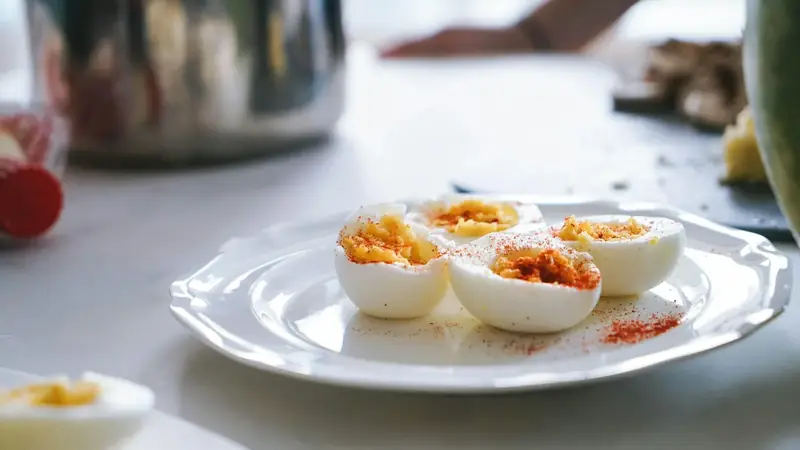
| Hard-cooked eggs (in shell) | 1 week | Does not freeze well |
| Opened deli meat | 3 to 5 days | 1 to 2 months |
Gravy gets the shortest window because it is moist, rich in protein, and often made from drippings that sat warm for a while. Hard-cooked eggs last longer because the shell (and the cooking) keeps the inside fairly well protected, but once peeled, treat them like other leftovers. Opened cartons run on their own clock too, like a carton of broth once opened.
Freezer times are about quality, not safety. Food held at 0°F stays safe indefinitely. It just gets drier and picks up freezer burn as the months go on. Frozen cooked rice is a good example.
When does the clock start on leftovers?
The count starts the day the food was cooked, not the day you remember to put it away. If you made a pot of chili on Sunday, Wednesday or Thursday is the last day to eat it.
That also means you cannot reset the clock. Reheating chili on Tuesday and putting the rest back does not give you another 4 days from Tuesday. The original cook date still rules. Raw meat runs on a shorter clock, so raw chicken in the fridge needs a tighter limit than cooked food.
Takeout works the same way. The restaurant cooked it the day you bought it, so that is day 1. If you picked up a carryout container that sat in a warm car for an hour before you got home, that time counts against the 2-hour rule too.
Does the 2-hour rule really matter?
Yes. Cooked food should go into the fridge within 2 hours of coming off the heat. If the room or the car is above 90°F, that drops to 1 hour.
The reason is the danger zone: 40°F to 140°F. In that range, bacteria can double in as little as 20 minutes. Food that sat on the stove for 4 hours while everyone watched a movie may already have more bacteria than it should, and the fridge will only slow them from that higher starting point. The 3 to 4 day window assumes the food was handled properly before it went in.
You do not need to let food cool on the counter first. That old advice came from the days of iceboxes. A modern fridge can handle warm food, especially if you portion it out in shallow containers.
Storing leftovers so they last the full 4 days
How you pack leftovers changes how fast they cool and how well they hold. A big pot of soup put straight into the fridge can stay in the danger zone in the center for hours, even while the edges are cold.
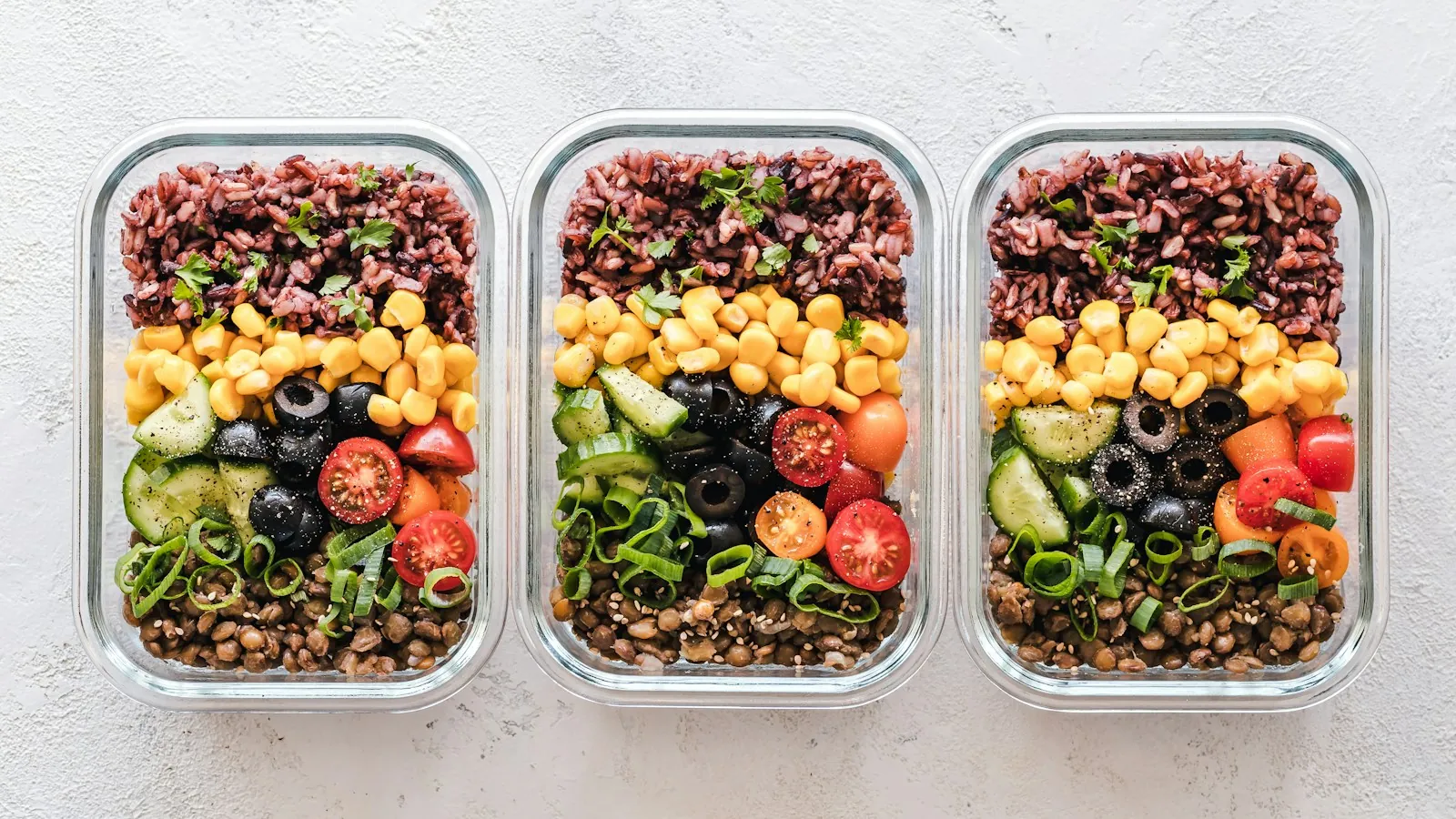
- Divide large batches. Split big amounts into smaller containers so heat escapes faster. The USDA suggests shallow containers, about 2 inches deep or less.
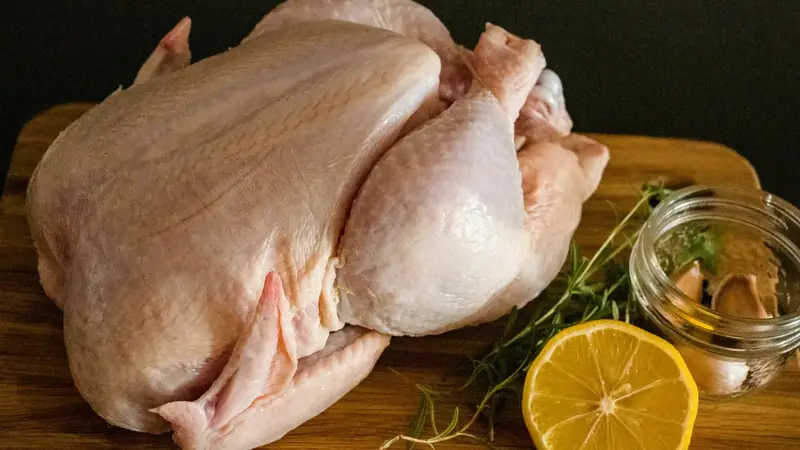
- Cut large roasts and whole birds down. Slice a roast into smaller pieces and take the meat off a whole chicken or turkey before chilling.
- Cover the containers. Airtight lids keep out other bacteria and stop food from drying out or picking up fridge odors. You can leave the lid slightly open for the first few minutes on very hot food, then seal it.
- Leave space around them. Do not jam containers together. Cold air needs to circulate for them to chill quickly.
- Label with the date. A strip of masking tape and a marker takes ten seconds and ends the "when did we make this" guessing.
- Store on the main shelves. The door is the warmest part of most fridges. Keep leftovers on an inside shelf, toward the back.
For a big pot of stock or chili, you can also set the pot in a sink of ice water and stir for 10 to 15 minutes before portioning. It brings the temperature down quickly.
Is your fridge actually cold enough?
The 3 to 4 day rule only holds if your fridge stays at 40°F or below. Plenty of home fridges run warmer than people think, especially older ones, overfilled ones, or ones in a hot garage.
An appliance thermometer costs a few dollars and settles the question. Put it on a middle shelf, leave it overnight, and read it in the morning before anyone opens the door. Aim for 37°F to 38°F. That gives you a buffer for the times the door is open and warm groceries go in.
If your fridge reads 43°F or 45°F, leftovers will not last 4 days safely. Turn the dial colder, check again the next day, and make sure the door seals close tight.
Can you trust the smell test?
Not for safety. Your nose is good at catching spoilage: sour odors, off flavors, slime, mold. If you notice any of those, throw the food out. But passing the smell test does not mean the food is safe, because the bacteria that cause food poisoning usually do not produce a smell.
A bad smell means toss it. A normal smell means nothing on its own, and you still go by the date.
Tasting a small bite to check is not a good idea either. It only takes a small amount of some pathogens to make you sick, and tasting tells you nothing about them.
Who should be stricter about leftovers?
Some people have a much harder time fighting off foodborne illness and should lean toward the short end of the range, or eat leftovers within a day or two:
- Pregnant people, because Listeria can pass to the baby
- Adults 65 and older
- Young children
- Anyone with a weakened immune system, including people on chemotherapy, organ transplant recipients, and people with diabetes or kidney disease
For these groups, the USDA also advises reheating deli meats and hot dogs until steaming before eating them, even if they would normally be eaten cold.
Reheating: does it make old leftovers safe?
Reheat leftovers to 165°F, measured with an instant-read thermometer in the thickest part. Soups, sauces, and gravies should come to a rolling boil. In the microwave, cover the dish, stir halfway through, and let it rest for a minute or two so the heat evens out, since microwaves leave cold spots.
Reheating to 165°F kills most bacteria that are present. It does not fix everything, though. Some bacteria, like Staphylococcus aureus and Bacillus cereus, produce toxins that heat does not destroy. That is why reheating is not a way to rescue food that sat out too long or has been in the fridge for a week.
It is safe to reheat leftovers more than once, as long as you bring them to 165°F each time and get them back in the fridge within 2 hours. The quality drops with each round, though, so it works better to reheat only the portion you plan to eat.
What to do if you will not finish them in time
Freeze leftovers you will not get to. If you know on day 1 or 2 that you will not get through a pot of stew, portion it and move it to the freezer. Freezing pauses the clock: bacteria do not grow at 0°F.
When you are ready to eat it, thaw it in the fridge, in cold water, or in the microwave. Food thawed in the fridge can be held there for another 3 to 4 days before you eat it. Food thawed in cold water or the microwave should be reheated and eaten right away.
A simple habit helps here: on the night you cook, decide what will be eaten in the next three days and freeze the rest before it ever becomes a question. That turns a big batch into a few easy weeknight meals instead of a container you find in the back of the fridge two weeks later.
A quick reference for the decision on any given day:
| Situation | What to do |
|---|---|
| Day 1 to 2, stored right after cooking | Eat, or freeze if you will not finish by day 4 |
| Day 3 to 4 | Eat it now, or throw it out |
| Day 5 or later | Throw it out |
| Sat out more than 2 hours (1 hour above 90°F) | Throw it out, regardless of the day |
| Any mold, slime, or sour smell | Throw it out |
| Not sure when it was made | Throw it out |
When in doubt, throw it out. A container of leftovers costs a few dollars, and a round of food poisoning costs a lot more. Check storage times for specific foods before you assume something is still fine.
 How to rewarm leftovers without drying them out
Heat that reaches the middle of a dish is hard to judge by looking at the surface. America's Test Kitchen shows reheating methods that keep food moist.
How to Reheat Leftovers Without Ruining Them
By America's Test Kitchen on YouTube. Their method may vary a little from ours. Watch on YouTube
- Compare how evenly each reheated dish heats, since leftovers should be hot all the way through, not just around the edges.
- Notice how the container is covered and stirred, and whether the food is portioned in shallow amounts like the 2-inch advice above.
- Remember that reheating does not reset the 3 to 4 day clock, whatever the food looks like when it comes out.