 Food Storage
How Many Days Does an Opened Carton of Chicken Broth Stay Good?
 By the CookClear writers
Checked against USDA and FDA food safety guidance
 Clear Answer
An opened carton of chicken broth is good for 3 to 4 days in the fridge, according to the USDA, as long as it stays at 40°F or colder. If you won't finish it in that window, freeze it, and it will keep good quality for 2 to 3 months.
That short window surprises a lot of people, because the box sat in the pantry for months without any trouble.
Why does an unopened carton last for months but an opened one only days?
Carton broth is packed aseptically. The broth is heated to kill microbes, then filled into a sterile, sealed container in a sterile environment. Nothing alive gets in, so it can sit on a shelf at room temperature until the best-by date, usually many months out.
 On the menu10 questions
Opening the carton ends all of that. Air, a spoon, the pour spout, your fingers, and whatever is floating around the kitchen all introduce bacteria and mold spores. Broth is close to the perfect place for them to grow: it's wet, it has protein, it has a little salt but not enough to stop much, and it isn't acidic.
Cold slows that growth without stopping it, so the clock starts the day you open the box.
The quick numbers
| Situation | How long it keeps | Notes |
|---|---|---|
| Unopened carton, pantry | Until the best-by date | Quality date, not a safety cutoff, if the carton is undamaged |
| Opened carton, fridge at 40°F or below | 3 to 4 days | USDA guidance for opened broth |
| Opened broth left out at room temperature | 2 hours max | 1 hour if the room is above 90°F |
| Opened broth, freezer at 0°F | 2 to 3 months for best quality | Safe longer, but flavor fades |
| Homemade broth or stock, fridge | 3 to 4 days | Same rule as store-bought once opened |
| Broth used in cooked soup, fridge | 3 to 4 days | The clock resets when you cook and cool the soup |
Some brands print their own "use within" period on the side of the carton, and a few list a longer window than the USDA. If your carton says something different, the manufacturer has tested that specific product, and their number is fair to follow. When there's no line on the box, stick with 3 to 4 days.
Does it matter if you keep it in the carton or pour it into a jar?
Keeping broth in its original carton is fine. The USDA's 3 to 4 day guidance assumes the container is tightly closed, so screw the cap back on firmly every time. A loose cap lets the broth pick up fridge odors and dry out around the spout.
A clean glass jar has a few small advantages:
- You can see the broth, so you'll notice cloudiness or mold sooner.
- It's easier to smell when you open it.
- You won't have to guess how much is left in an opaque box.
- Jars clean up properly, while a carton spout can trap drips that go off before the broth does.
Where it sits in the fridge counts for more than the container. The door is the warmest spot, and it swings in and out of room temperature every time someone grabs the milk. Put the broth on a shelf toward the back, where the temperature stays steady. A cheap fridge thermometer is worth having here, since many home fridges run warmer than people think. You want 40°F or lower.
How can you tell if opened broth has gone bad?
Spoiled broth usually gives itself away. Before you pour, check:
- Smell. Fresh chicken broth smells savory and mild. Sour, sharp, or anything that makes you pull your head back means it's done.
- Look. Mold on the surface or around the spout, fuzzy spots, or a slimy film are all clear signs. Some cloudiness is normal in broth, but new cloudiness in a broth that was clear is a warning.
- Bubbles or fizz. Tiny bubbles rising, or a hiss when you open the cap, point to fermentation.
- Bulging carton. An opened carton that looks puffy is producing gas inside. Toss it.
- Taste. Skip this one. If something seems off, don't sample it to confirm.
The catch is that broth can carry enough bacteria to make you sick without smelling or looking wrong. That's why you should trust the day count over a sniff test. If it's day 6 and the broth smells fine, it's still past the safe window.
Can boiling the broth make it safe again?
Not reliably. Bringing broth to a boil kills most active bacteria, and you should heat leftover broth or soup to 165°F before eating it anyway. But some bacteria, such as Staphylococcus aureus and Bacillus cereus, make toxins as they grow, and those toxins can survive boiling. Killing the bacteria doesn't remove what they already left behind.
Boiling is a good habit for broth that's still inside its window, but if you're past 4 days, throw it out.
What about broth left out on the counter?
Opened broth follows the 2-hour rule like any other perishable food. If it sits between 40°F and 140°F (the danger zone) for more than 2 hours, discard it. On a hot day, or in a kitchen above 90°F, the limit drops to 1 hour.
This comes up most often while cooking. You open a carton, use half, and leave the rest by the stove while dinner simmers. If you remember it within a couple of hours, cap it and put it back in the fridge. If it sat out through dinner and cleanup and into the next morning, it goes down the drain.
An unopened carton on the counter is a different story. It's shelf-stable, so it's fine.
How to freeze leftover broth
Most recipes call for a cup or two of broth, and cartons come in 32 ounces (4 cups) or more, so there's usually some left. Freezing it the same day you open it, or at least within the 3 to 4 day window, saves nearly all of it.
Broth freezes very well. Pick a method that fits how you cook:
- Ice cube trays. A standard tray cube holds roughly 1 to 2 tablespoons, though sizes vary, so measure one of yours with water first. Freeze until solid, about 4 hours, then pop the cubes into a labeled freezer bag. These are perfect for deglazing a pan, loosening a sauce, or reheating rice.
- Muffin tins. A standard muffin cup holds about 1/2 cup. Freeze, then unmold into a bag. Two pucks make a cup, which is handy for most recipes.
- Freezer bags laid flat. Pour 1 or 2 cups into a quart zip-top bag (it holds 4 cups when full), squeeze out the air, and freeze it flat on a sheet pan. Once frozen, the bags stack like files and thaw fast.
- Jars or deli containers. Leave at least an inch of headspace, because liquids expand as they freeze. Glass jars filled to the top can crack.
Label everything with the date and the amount. Frozen broth stays safe indefinitely at 0°F, but for best flavor use it within 2 to 3 months. Past that, it can taste flat or pick up freezer odors.
Thawing frozen broth
Small cubes can go straight into a hot pan or pot from frozen. Larger portions thaw in the fridge overnight, or in a bowl of cold water in about an hour if they're in a sealed bag. You can also melt them gently on the stove or in the microwave. Once thawed in the fridge, use the broth within 3 to 4 days. If you thawed it in cold water or the microwave, cook it right away.
Does low-sodium, bone broth, or stock change the timeline?
Not in any way a home cook would notice. Opened bone broth doesn't last any longer than regular broth, and low-sodium broth and unsalted stock fall under the same 3 to 4 day guidance once opened. The salt in regular broth isn't high enough to act as a preservative.
Concentrated bases work differently. A jar of paste-style base, like Better Than Bouillon, is much saltier and is meant to be refrigerated for months after opening. Bouillon cubes and powder are dry and keep in the pantry. If you rarely use more than a cup at a time, one of these may waste less than a carton.
| Product | After opening | Where to store |
|---|---|---|
| Carton broth or stock | 3 to 4 days | Fridge |
| Canned broth (moved to a covered container) | 3 to 4 days | Fridge |
| Refrigerated "fresh" broth from the deli case | Check the label; usually short | Fridge |
| Concentrated paste base | Follow the jar's label; usually months | Fridge |
| Bouillon cubes or powder | Until the best-by date | Pantry, kept dry |
For canned broth, don't store leftovers in the open can. Pour them into a covered glass or plastic container first. The broth itself is fine, but the open can can give it a metallic taste.
What can you do with a half carton before day 4?
If freezing feels like a chore, plan to use it. A few cups of broth disappear quickly when you think of it as a cooking liquid instead of only a soup base:
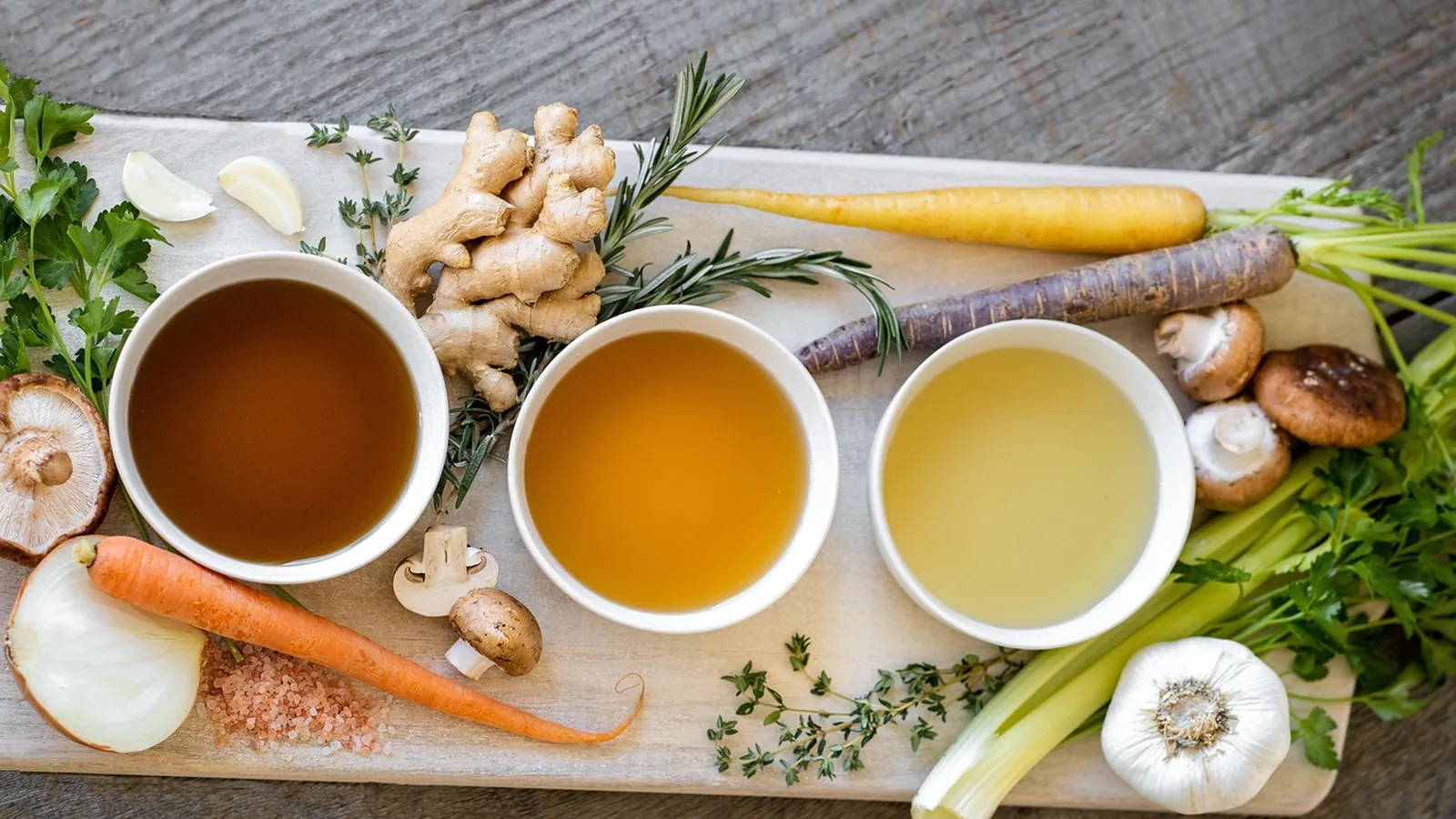
- Cook rice, farro, or couscous in broth instead of water.
- Splash it into a pan to deglaze after searing chicken or pork, then reduce it into a quick sauce.
- Use it instead of water when reheating leftover pasta, rice, or stuffing so they don't dry out.
- Braise greens, white beans, or cabbage in it.
- Add a cup to mashed potatoes in place of some of the milk or butter.
- Make a quick soup: broth, a handful of frozen vegetables, leftover chicken, and noodles, done in 15 minutes.
The easy habit is to put a strip of tape on the carton when you open it and write the date. Dating anything you open pays off across food storage in general, since nobody remembers which day a jar or carton was opened.
 Picking a chicken broth worth using up
Since opened broth only keeps 3 to 4 days, it helps to choose one you will want to finish. America's Test Kitchen tastes common supermarket cartons side by side.
The Best and Worst Supermarket Chicken Broths | The Taste Test
By America's Test Kitchen on YouTube. Their method may vary a little from ours. Watch on YouTube
- Pay attention to which broths are judged savory and mild, since that is the baseline smell and taste of fresh broth.
- Think about how much of the carton you would use, then plan to freeze or finish the rest within 3 to 4 days.
- Compare the salt level of each broth with the note above that low-sodium and regular cartons follow the same timeline.


