 Substitutes
What's the Best Buttermilk Substitute If You Only Have Regular Milk?
 By the CookClear writers
Checked against test kitchen and baking science sources
 Clear Answer
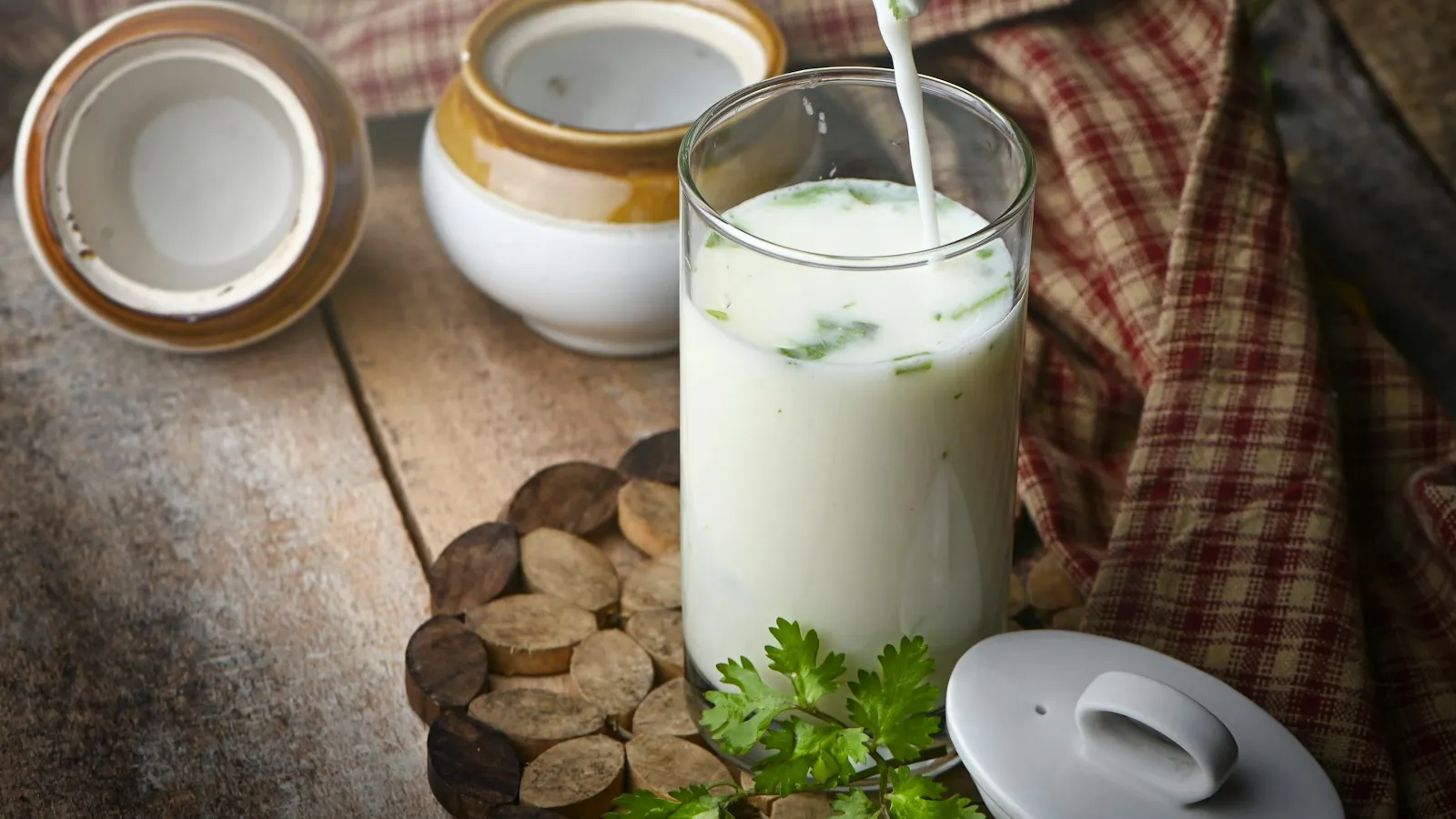
The best buttermilk substitute is soured milk: put 1 tablespoon of lemon juice or white vinegar in a measuring cup, add regular milk to the 1 cup line, stir, and let it sit 5 to 10 minutes. It swaps 1:1 in pancakes, biscuits, muffins, quick breads, and most cakes. It's thinner than store-bought, but it brings the acidity your recipe is counting on.
Why the recipe wants buttermilk in the first place
Buttermilk does two jobs in baking. First, it's acidic. Cultured buttermilk sits around pH 4.5, while fresh milk is close to neutral at about 6.7. That acid reacts with baking soda to make carbon dioxide, which is what lifts your pancakes and biscuits.
 On the menu11 questions
Second, acid tenderizes. It weakens gluten a bit and gives cakes and quick breads a softer, finer crumb. It also adds a mild tang that balances sweetness in things like chocolate cake and red velvet.
Thickness and flavor matter much less, so a quick acid-plus-milk mixture covers the two jobs that decide whether your bake rises and stays tender.
How to make soured milk, step by step
This takes about two minutes of work and ten minutes of waiting.
- Pour 1 tablespoon (15 ml) of fresh lemon juice or plain white vinegar into a liquid measuring cup.
- Add milk until the liquid reaches the 1 cup mark. Don't measure a full cup of milk and then add the acid, or you'll end up with slightly too much liquid.
- Stir once or twice.
- Let it stand at room temperature for 5 to 10 minutes. You'll see small flecks or a slight curdled look along the sides.
- Stir again and use it exactly as you would buttermilk.
For half a cup, use 1 1/2 teaspoons of acid. For 2 cups, use 2 tablespoons. The ratio stays the same: about 1 tablespoon of acid per cup of finished liquid.
Does it matter what kind of milk you use?
Whole milk gives the closest result because the fat helps it thicken and curdle visibly. 2% works nearly as well. Skim milk will still sour and still react with baking soda, but it stays thin and barely curdles, so don't panic if it looks unchanged after 10 minutes.
Ultra-pasteurized milk can be slower to show curds. Give it the full 10 minutes, and if you see nothing, it's still acidic enough to do the job.
Lemon juice, vinegar, or something else?
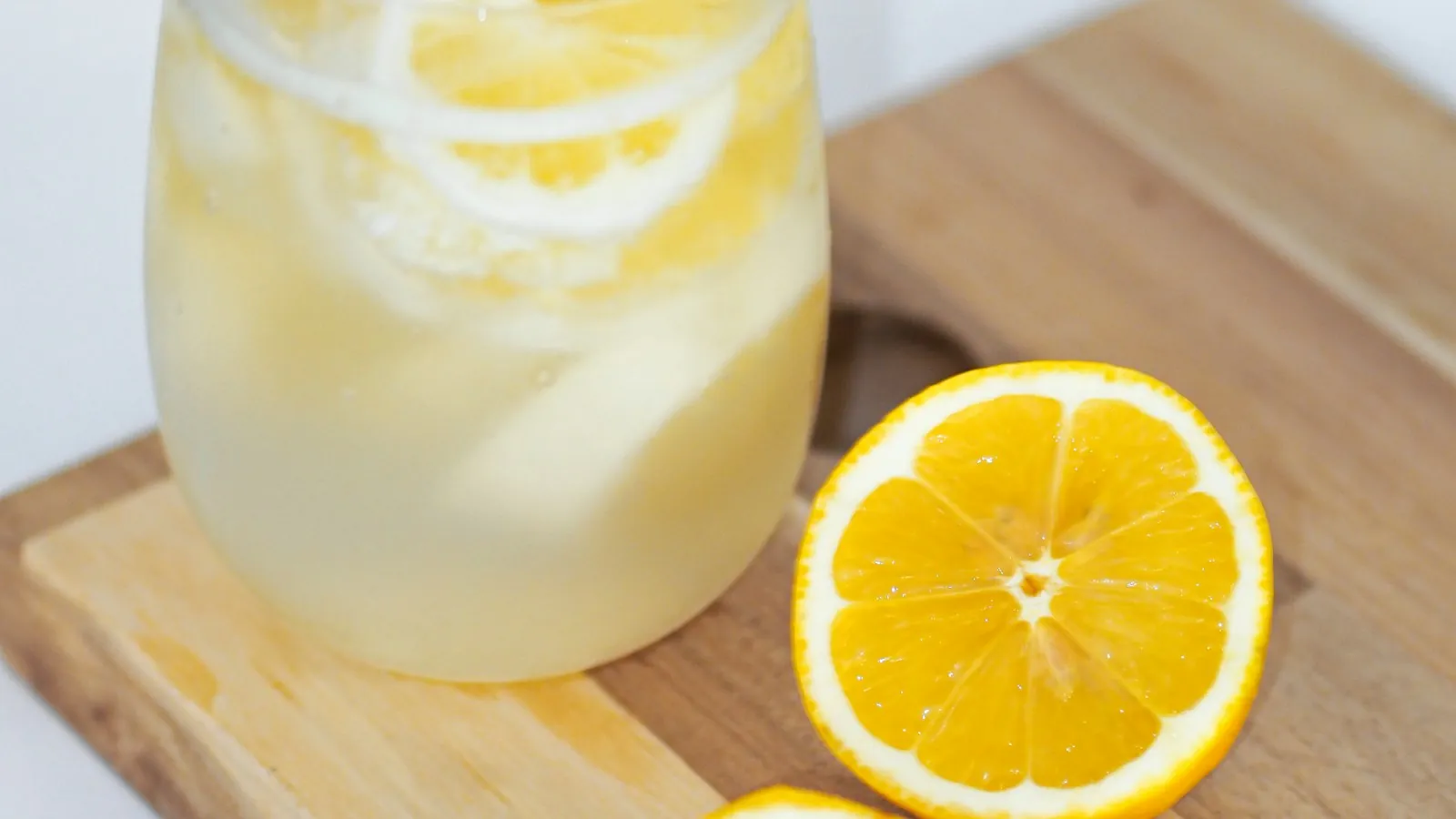
Lemon juice or vinegar both make a good stand-in for buttermilk, and any mild food acid works. The common options:
| Substitute (per 1 cup) | How much | Rest time | Flavor notes | Best for |
|---|---|---|---|---|
| Lemon juice + milk | 1 tbsp juice, milk to 1 cup | 5 to 10 min | Faint citrus, mostly hidden | Pancakes, muffins, lemon cakes, scones |
| White vinegar + milk | 1 tbsp vinegar, milk to 1 cup | 5 to 10 min | Neutral once baked | Biscuits, cornbread, chocolate cake, fried chicken marinade |
| Apple cider vinegar + milk | 1 tbsp vinegar, milk to 1 cup | 5 to 10 min | Slight fruity note | Spice cakes, quick breads |
| Cream of tartar + milk | 1 3/4 tsp cream of tartar, 1 cup milk | None, mix into dry ingredients | Clean, no added flavor | Baking when you have no lemon or vinegar |
| Plain yogurt + milk | 3/4 cup yogurt, 1/4 cup milk | None | Tangy, closest texture | Biscuits, dressings, marinades |
| Sour cream + milk | 3/4 cup sour cream, 1/4 cup milk | None | Rich, tangy | Coffee cakes, dips, dressings |
Bottled lemon juice is fine here, and if you have no lemons at all, other stand-ins for lemon juice can supply the acid. Its acidity is consistent, a small advantage over fresh lemons that vary in sourness.
Skip strong vinegars like balsamic, red wine, or malt. They color the batter and their flavor can survive baking.
A note on cream of tartar
Cream of tartar doesn't dissolve well in cold milk and tends to clump. Whisk it into the flour and other dry ingredients instead, then add plain milk with the wet ingredients. It reacts with baking soda the same way buttermilk would.
Will the recipe turn out the same?
Close, and in most quick breads you won't be able to pick out the difference. Pancakes, waffles, muffins, banana bread, and chocolate cake are very forgiving.
Where you might notice something:
- Biscuits: Real buttermilk is thicker, so the dough holds together a bit more readily. With soured milk, start with about 2 tablespoons less liquid and add more only if the dough looks dry and shaggy.
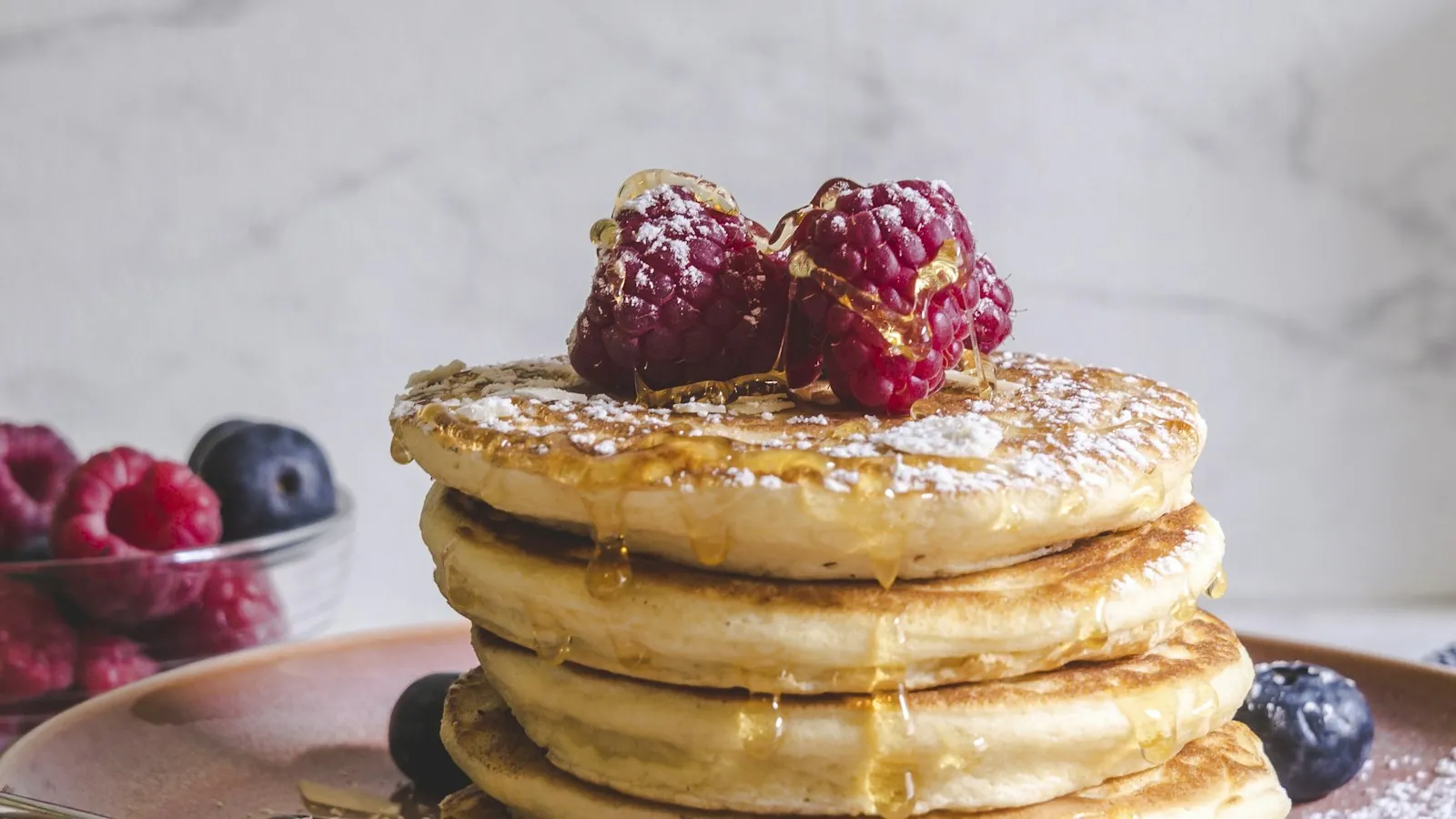
- Pancakes: Batter may be slightly thinner, which gives flatter, wider pancakes. Let the batter rest 5 minutes before cooking so the flour hydrates and thickens it.
- Dressings and dips: Soured milk is too thin for ranch or a creamy dressing. Use thick Greek yogurt or sour cream instead.
- Flavor-forward recipes: Buttermilk pie or buttermilk panna cotta rely on that cultured taste. A milk-and-lemon mix will taste flat by comparison, so yogurt thinned with milk is the better stand-in.
Can you skip the acid and just use regular milk?
You can use regular milk instead of buttermilk, but you need to fix the leavening, or your bake will be dense and may taste soapy or metallic. Baking soda needs an acid to react. Without one, much of it stays unreacted in the finished food, which is where that bitter, slightly chemical taste comes from.
If you want to use plain milk with no acid, swap the baking soda for baking powder. A common rule: for every 1/2 teaspoon of baking soda in the recipe, remove it and add 2 teaspoons of baking powder instead. Baking powder carries its own acid, so it doesn't need help from the milk.
This works, but it's more fiddly than adding a spoonful of vinegar. You'll also lose the tang and some of the tenderness, so the result tends to be a little more bready. If you are improvising other baking substitutes, the same logic holds: match the acid to the leavener.
How long can soured milk sit out?
Ten minutes on the counter is no problem. The bigger rule to keep in mind is the USDA's 2-hour limit: perishable foods, milk included, shouldn't stay between 40°F and 140°F for more than 2 hours total, or 1 hour if the room is above 90°F.
Adding lemon juice or vinegar does not make milk safe to leave out longer. It's the same milk with a little acid in it. If you mix up a batch and then get pulled away, refrigerate it, and plan to use it within a day or two.
One more point that trips people up: milk that has gone sour on its own from age is not the same thing. Fresh milk soured on purpose with lemon or vinegar is safe. Milk that smells off because it's past its date has bacterial growth you didn't choose, and it should be thrown out rather than baked with.
Can you make a buttermilk substitute with non-dairy milk?
The same method works with most plant milks, with mixed results depending on the protein content.
- Soy milk curdles the most and behaves closest to dairy. It's the best plant-based choice.
- Oat milk thickens a little and works fine in pancakes and muffins.
- Almond and coconut milk (carton) barely curdle because they have little protein. They still add acid, so leavening works, but texture is thinner.
Use the same ratio: 1 tablespoon of lemon juice or vinegar, then plant milk to the 1 cup line, rested 5 to 10 minutes. Unsweetened, unflavored versions are the safest bet, since vanilla or sweetened milks will change the flavor of savory bakes like cornbread or biscuits.
Making a bigger batch for later
If you bake with buttermilk often, it's tempting to make a quart of soured milk ahead. That works, with limits. Keep it covered in the fridge at 40°F or below and use it within about 2 days, or by the milk's own date, whichever comes first.
Soured milk also freezes. Pour it into an ice cube tray or measured portions in freezer bags, freeze, and thaw in the fridge overnight. Shake or whisk well after thawing because it will separate. The same goes for leftover store-bought buttermilk, which freezes well for baking even though it won't be great for drinking afterward.
Powdered buttermilk is another option. It keeps in the fridge for months, and you mix the powder into the dry ingredients and add water with the wet ones. It's a useful backup if you bake with buttermilk often.
Quick reference: amounts by recipe size
Amounts for common recipe sizes, using lemon juice or white vinegar:
| Buttermilk called for | Acid | Milk |
|---|---|---|
| 1/4 cup | 3/4 tsp | to the 1/4 cup line |
| 1/2 cup | 1 1/2 tsp | to the 1/2 cup line |
| 3/4 cup | 2 1/4 tsp | to the 3/4 cup line |
| 1 cup | 1 tbsp | to the 1 cup line |
| 1 1/2 cups | 1 1/2 tbsp | to the 1 1/2 cup line |
| 2 cups | 2 tbsp | to the 2 cup line |
A quarter teaspoon of acid more or less won't change how your bake turns out, as long as some acid is there for the baking soda to react with.
Using soured milk outside of baking
Buttermilk is a classic soak for fried chicken because the mild acid and calcium help tenderize the meat and give the coating something to cling to. Soured milk does the same job. Use the same amount the recipe calls for, add your salt and spices, and marinate in the fridge for 4 to 24 hours.
Keep the chicken refrigerated the whole time, and discard the used marinade. Cook chicken to an internal temperature of 165°F, checked with a thermometer in the thickest part of the piece.
Soured milk also works in mashed potatoes, cornbread, and soda bread. For anything where buttermilk is the main flavor, like a cold buttermilk soup or a drink, use thinned yogurt instead, since it has that cultured tang that plain soured milk can't fake.
 How soured milk looks after it rests
The curdled look of soured milk is something you can only judge by seeing it, and it tells you whether the acid has done its work. Seeing the pour and the wait makes the 5 to 10 minute rest easier to trust.
BUTTERMILK HOTLINE! - How to Make a Buttermilk Substitute
By averagebetty on YouTube. Their method may vary a little from ours. Watch on YouTube
- Look at the small flecks or slight curdling along the sides of the cup after the milk has stood for a few minutes.
- Notice the order of steps: acid in the cup first, then milk up to the 1 cup line.
- Compare the thickness of the finished mixture with the notes above on whole milk, skim milk, and why skim may stay thin.


