Cooking Times
Is Soaking Dried Beans Really Necessary, or Can You Skip It?
 By the CookClear writers
Checked against USDA safe temperatures and test kitchen timing
 Clear Answer
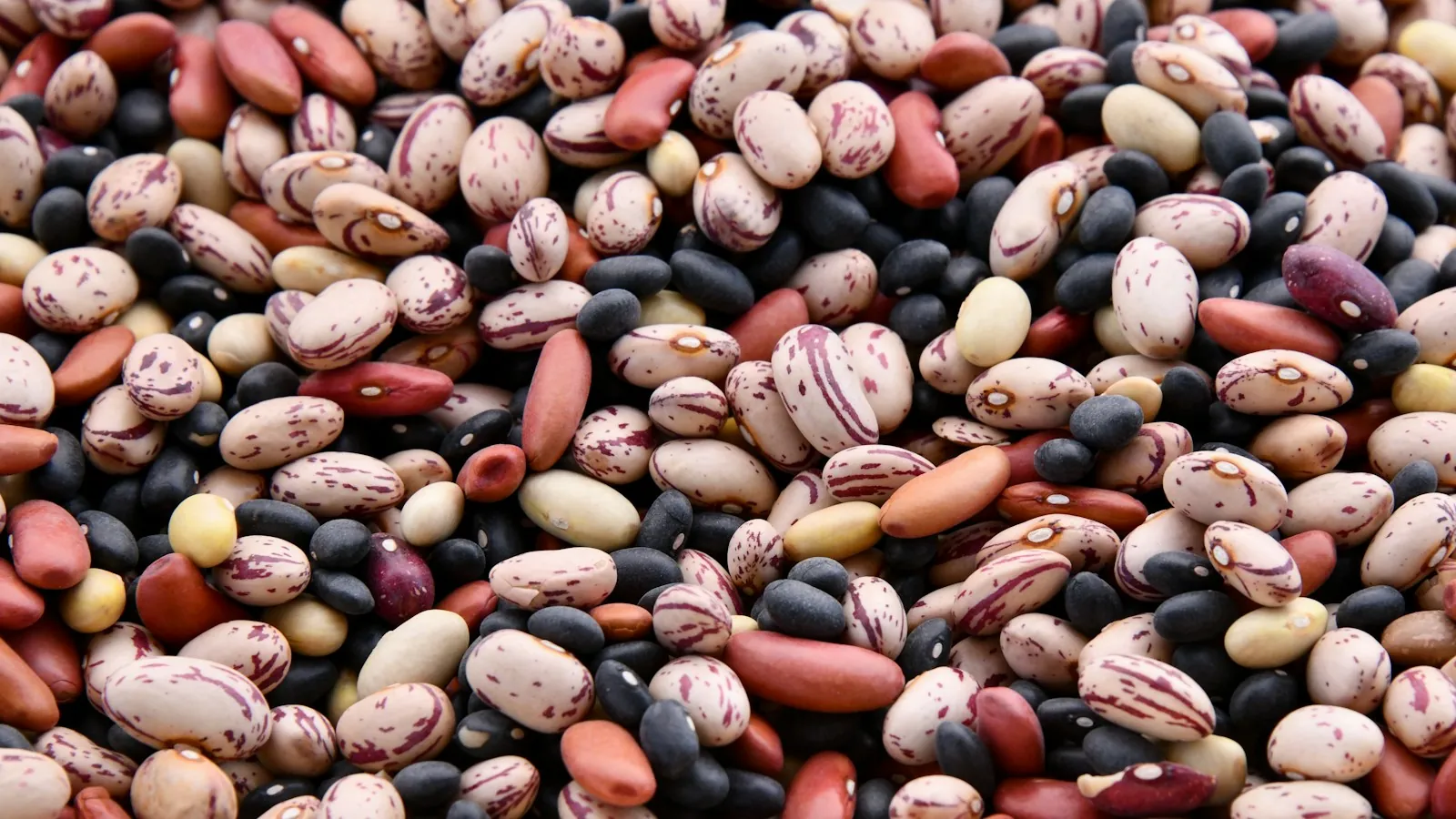
No, you can skip the overnight soak to soak dried beans; unsoaked beans cook up fine, just slower and a little less evenly. If you forgot, a quick soak (boil 2 to 3 minutes, then rest covered at least an hour) gets most of the benefit. The one firm rule is unrelated: red kidney beans must be boiled hard before eating.
What soaking actually does to a bean
A dried bean is a seed that has lost most of its water. Soaking lets it take some of that water back before it ever hits the heat, so the inside and the outside start cooking from a more similar place. That's the main payoff: more even texture, fewer burst skins, and a shorter simmer.
Soaking does not change the flavor much, and it does not make beans "safe" on its own. Heat does that. It also won't rescue very old beans, which can stay stubbornly hard no matter how long they sit in water.
There's a lot of folklore about soaking and digestion. Some of the gas-causing sugars leach into the soak water, which is why many people drain and rinse. How much that helps your stomach varies from person to person, so don't count on it.
The three ways to soak, compared
University of Nebraska-Lincoln Extension lays out three standard methods for 1 pound (about 2 cups) of dried beans.
| Method | Water per 1 lb beans | What you do | Minimum time |
|---|---|---|---|
| Overnight soak | 10 cups cold water | Cover and refrigerate | 8 hours or overnight |
| Quick soak | 6 cups water | Boil 2 to 3 minutes, remove from heat, cover | At least 1 hour |
| Hot soak | 10 cups water | Boil 2 to 3 minutes, remove from heat, cover | Up to 4 hours |
The extension service calls the hot soak its preferred method. It's faster than overnight and gives a well-hydrated bean. After any of these, drain the beans and rinse them before cooking in fresh water.
Notice the overnight soak goes in the fridge. A bowl of beans sitting in water on a warm counter for a long stretch is not where you want to be, so refrigerating is the cautious choice.
How much time does skipping the soak cost you?
On the stovetop, expect unsoaked beans to need noticeably more time than the ranges for soaked beans, which assume soaked beans simmered until tender but still holding their shape. These are UNL Extension's numbers. Treat them as estimates, since cooking times vary with the pot and the bean, and start tasting early.
| Bean | Stovetop simmer (soaked) |
|---|---|
| Black beans | 60 to 90 minutes |
| Great Northern | 45 to 60 minutes |
| Kidney beans | 90 to 120 minutes |
| Navy beans | 90 to 120 minutes |
| Pinto beans | 90 to 120 minutes |
There's no single conversion for unsoaked beans, because age, size, and your water all play a part. Start tasting at the top of the range and keep going. Pull out five or six beans each time and bite them; one tender bean doesn't mean the whole pot is done. It's the same habit as testing pasta for doneness.
A pressure cooker cuts the time a lot. UNL gives these times for unsoaked beans at high pressure, followed by a 20 minute natural release:
- Black beans: 20 to 30 minutes
- Kidney beans: 20 to 30 minutes
- Navy beans: 25 to 35 minutes
- Pinto beans: 15 to 20 minutes
If you own an Instant Pot or a stovetop pressure cooker, soaking matters much less. Keep the pot no more than half full, because beans foam. Enough liquid also prevents the Instant Pot burn warning. If they come out underdone, seal it again and cook another 10 minutes at high pressure, then quick release.
Which beans you should never bother soaking
Some legumes are small and thin-skinned enough that soaking does nothing useful. UNL Extension lists these as no-soak:
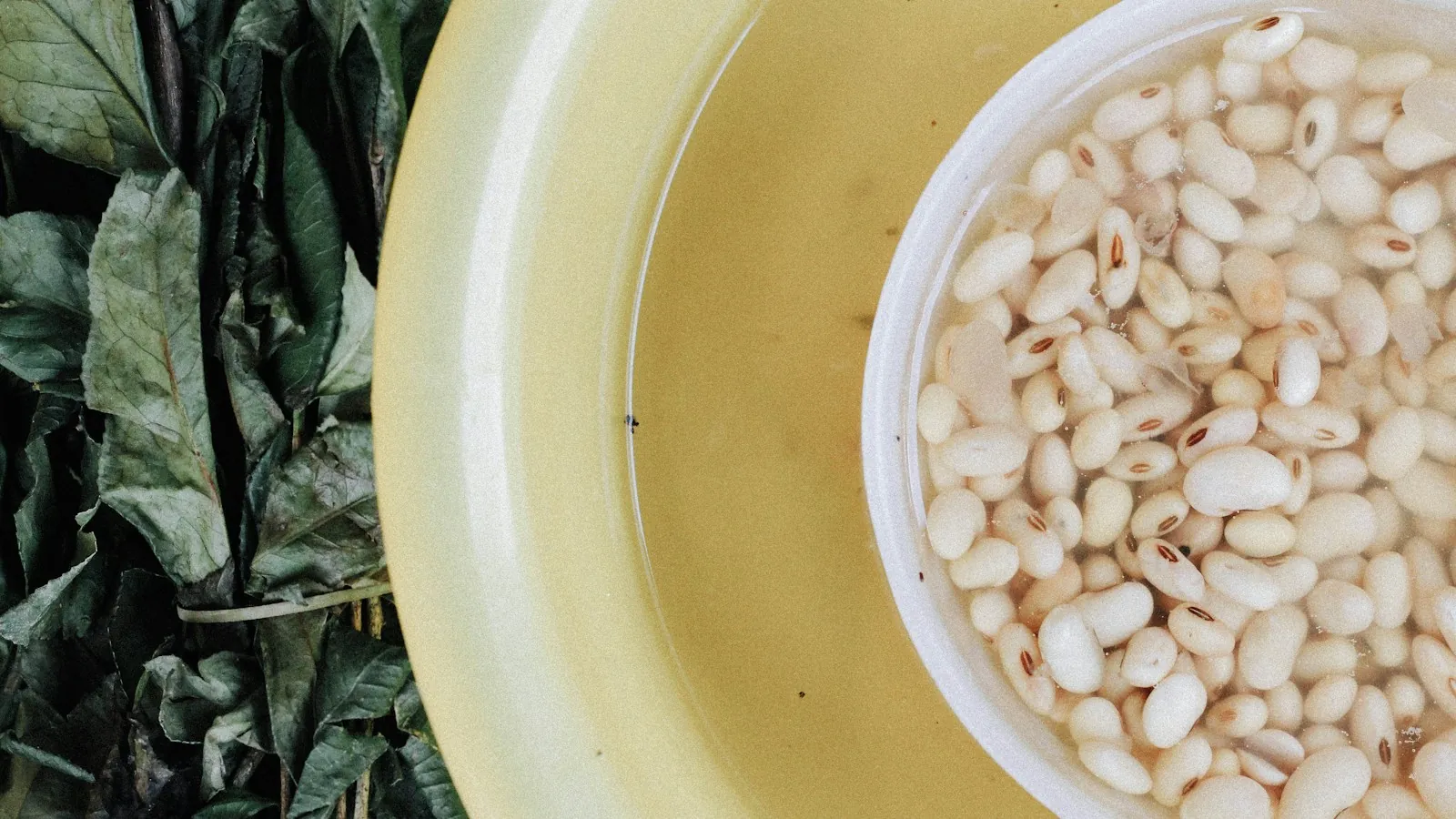
- Lentils (all colors)
- Split peas
- Black-eyed peas
Rinse them, pick out any stones, and cook. Lentils in particular can go from dry to tender in well under an hour, and soaking just turns them mushy.
Small beans like black beans and adzuki are also forgiving when cooked straight from dry. The bigger the bean, the more a soak helps. Large limas, chickpeas, and big white beans like cannellini benefit the most, since their thick middles take the longest to catch up with their skins.
Red kidney beans: the one safety rule that matters
Raw and undercooked red kidney beans contain a natural lectin called phytohaemagglutinin. Eating as few as five raw beans can cause severe nausea, vomiting, diarrhea, and stomach pain. Soaking does not remove it. Proper boiling does.
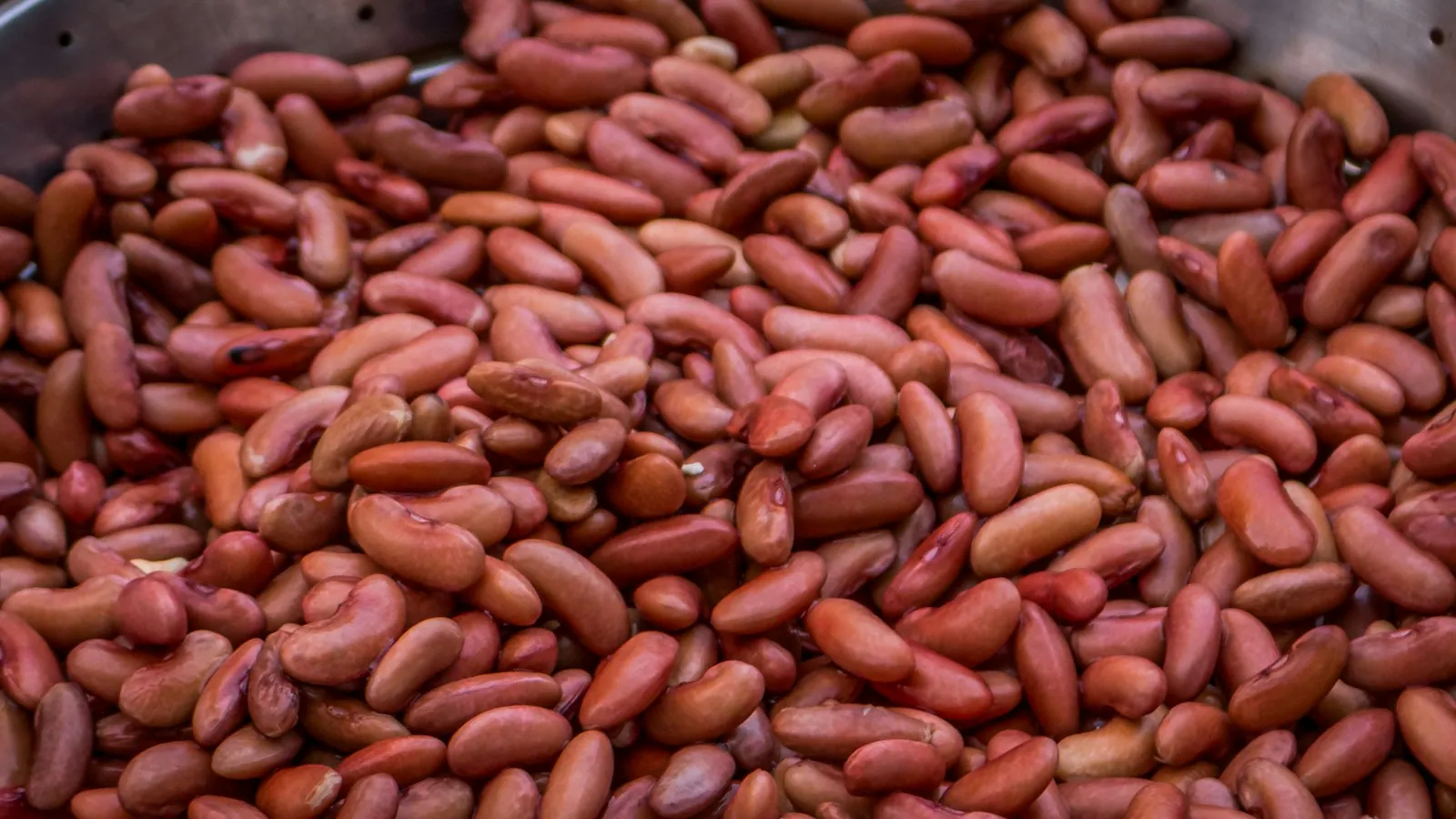
The usual advice is to soak and then boil kidney beans hard for at least 10 minutes. The U.S. FDA goes further and recommends boiling for 30 minutes to be sure the toxin is fully destroyed. Cooking at around 80°C (176°F) is not enough, and that can make things worse.
That's why slow cookers are the problem here. Many run on low below a full boil, so dried kidney beans can sit warm for hours without ever getting hot enough. If you want kidney beans in a slow cooker recipe:
- Soak the beans.
- Drain, cover with fresh water, and bring to a full rolling boil on the stove.
- Keep it boiling for 30 minutes.
- Drain and add them to the slow cooker.
Or just use canned kidney beans, which are already fully cooked. Other beans contain the same lectin in smaller amounts, so giving any dried bean a real boil before a long, gentle cook is a sensible habit.
Does adding salt to the soak help?
Yes, and it's the one soaking upgrade worth the extra spoonful. America's Test Kitchen recommends dissolving 3 tablespoons of table salt in 4 quarts of cold water for each pound of dried beans, then soaking for 8 to 24 hours at room temperature. Drain and rinse well before cooking.
Sodium ions swap places with some of the calcium and magnesium in the bean skins. That makes the skins softer and better at taking on water, so you get creamier beans with fewer blowouts. The salt only gets partway in, so the effect is mostly on the outer layer.
So salt does not keep beans hard, despite the old belief; it softens the skins. If your beans stay hard, look at their age or your water first.
Why some beans never soften, soaked or not
If a pot of beans refuses to get tender after two-plus hours, soaking probably wasn't the issue. A few usual suspects:
- Old beans. Beans that have sat in the pantry for years dry out further and can stay chalky forever. Buy from a store that moves a lot of stock, and use them within a reasonable time. A package date tells you less than you'd think, so learn what a best-by date means before trusting one.
- Hard water. Calcium and magnesium in the water firm up the skins. The salted soak counters this.
- Acid added too early. Tomatoes, vinegar, and wine slow softening. Add them once the beans are mostly tender.
- Sugar or molasses early. Same idea, which is why baked bean recipes usually cook the beans first.
You may see advice to add baking soda to speed things up. It does soften beans, but UNL Extension advises against it because it destroys thiamin (vitamin B1) and can give an off flavor.
How to cook beans you didn't soak
Forgot to soak and want beans for dinner? This is the plain, no-fuss way to cook beans without soaking.
- Sort and rinse. Spread the beans on a sheet pan and pick out stones and shriveled beans. Rinse in a colander.
- Cover generously. Put the beans in a heavy pot and cover with water by about 2 inches. Unsoaked beans drink more, so start with plenty.
- Bring to a boil. Let it boil for a few minutes, then drop to a gentle simmer. A hard boil the whole way breaks skins.
- Add aromatics. Half an onion, a few garlic cloves, a bay leaf, the same aromatics that go into a pot of chicken soup. Fish them out at the end.
- Top up as needed. Check every 20 to 30 minutes and add hot water so the beans stay submerged.
- Taste often near the end. Bite several beans. When the centers are creamy with no chalky core, they're done.
- Salt and let them sit. Season, then let the beans cool a bit in their liquid. They firm up and absorb flavor.
If you have an hour to spare before cooking, quick soak beans instead; that is the better trade between time and texture.
How much do dried beans make, and how long do they keep?
One pound (about 2 cups) of dried beans makes roughly 6 cups cooked. A 15 ounce can holds about 1 3/4 cups drained, so a pound of dried beans replaces about three and a half cans.
That makes cooking a full pound worth it even for a small household. Refrigerate cooked beans and use them within 3 to 4 days. Anything you won't get to should go in the freezer within 4 days of cooking; freeze them with a little of their liquid so they don't dry out.
When soaking is worth the effort
Here's how I'd decide on any given day:
- Making a dish where beans are the star (a pot of pintos, white bean salad, chickpeas for roasting): do the salted overnight soak. The texture is noticeably better.
- Cooking in a pressure cooker: skip it. The soaking times here are for unsoaked beans.
- Short on time on the stove: quick soak for an hour.
- Lentils, split peas, black-eyed peas: never soak.
- Red kidney beans in a slow cooker: soak, then boil hard on the stove first, every time.
 What a pot of soaked beans looks like
Plump skins and creamy centers are easier to recognize on screen than to picture from a description. Uncle Scott's Kitchen shows a bean pot from soak to tender.
How to Soak & Cook Dried Beans
By Uncle Scott's Kitchen on YouTube. Their method may vary a little from ours. Watch on YouTube
- Compare how swollen the beans look after soaking with the unsoaked beans, using the soak table above as your reference.
- Notice how gentle the simmer is, since the advice above says a hard boil the whole way breaks skins.
- Look at the center of a cooked bean and check for the creamy texture with no chalky core.