Food Storage
Can You Freeze Bananas for Banana Bread Even After They Turn Black?
 By the CookClear writers
Checked against USDA and FDA food safety guidance
 Clear Answer
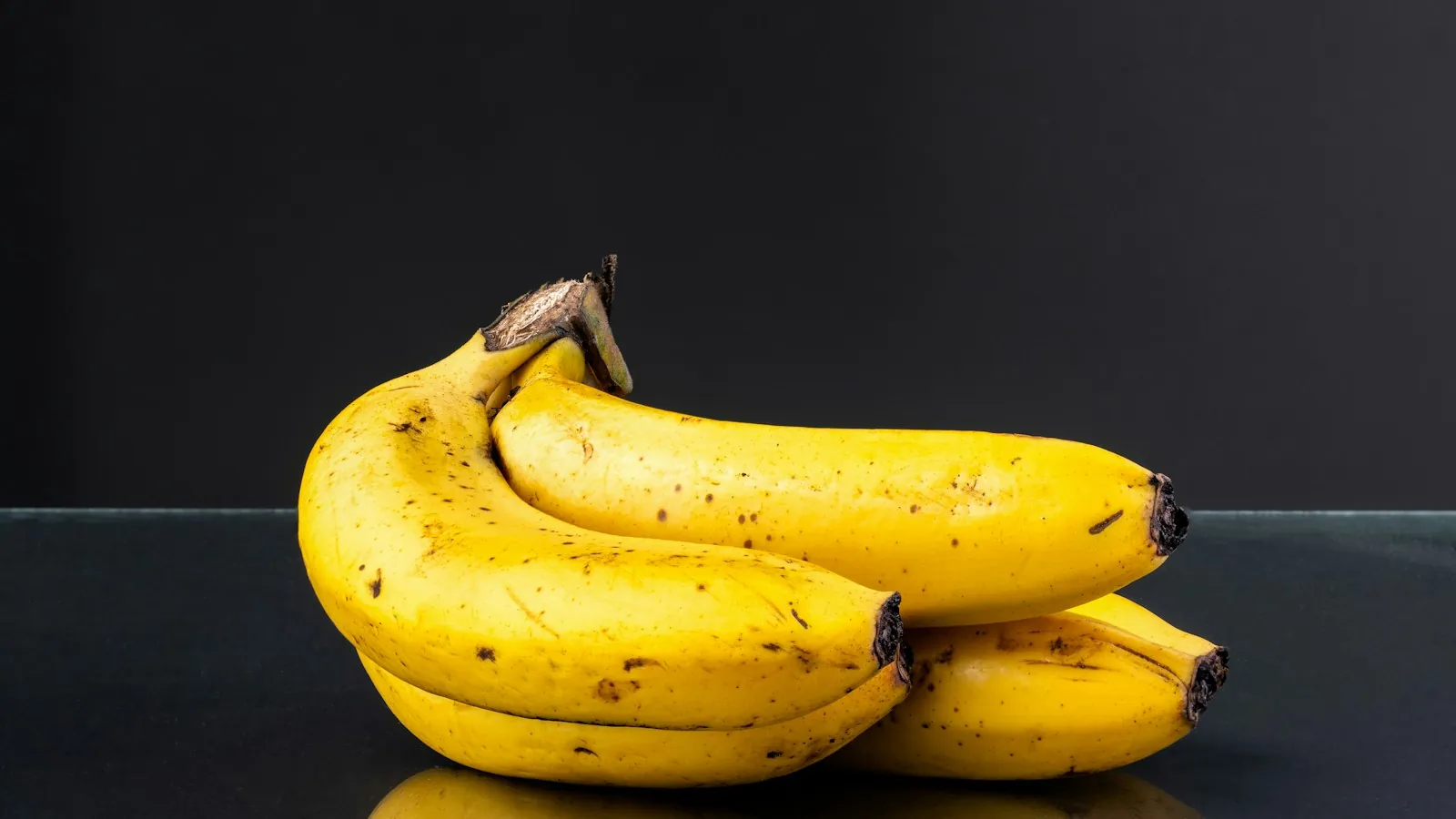
Yes, and frozen overripe bananas, even with black peels, make some of the best banana bread you will bake. The peel darkens because freezing ruptures its cells and lets a browning enzyme go to work, but the fruit inside is perfectly good for baking. Freeze them peeled or unpeeled and use them within about 3 months for the best flavor and texture.
Freezing doesn't fix a banana that is too green, though. It stops the clock wherever the banana is when it goes in, so wait until the peel is heavily freckled or mostly brown before you freeze.
What makes the peel go black in the freezer
The darkening is the same reaction that browns a cut apple: enzymatic browning. It's also why a cut avocado browns. Plant cells hold an enzyme called polyphenol oxidase (PPO) in one compartment and phenolic compounds in another. As long as the cells are intact, the two stay apart.
Bruising, cutting, heat, and cold all break those cell walls. Once PPO meets the phenolics and there is oxygen around, it converts them into compounds called quinones, which link up into melanin, the same family of dark pigment found in skin and hair. That's the black you see.
Bananas are tropical fruit, and their cells don't handle cold well. Even a few days in the refrigerator will darken a peel. In the freezer, ice crystals form inside the cells and puncture the membranes, so the damage is complete and the peel goes from yellow to brown to nearly black. When you thaw it, more of the reaction plays out, which is why a banana often looks darker coming out of the freezer than it did going in. Stone fruit is different: ripe peaches can go in the fridge once they give to gentle pressure, which slows them down without that damage.
The flesh browns too, just less, because it is protected from air by the peel. Peeled bananas frozen in a bag will darken on their exposed surfaces over the weeks. That browning is cosmetic too.
Is a black banana from the freezer still safe to use?
Yes. The color change is a chemical reaction in the fruit's own tissue, not a sign of spoilage. According to FoodSafety.gov, food held continuously at 0°F (-18°C) or below stays safe indefinitely. The storage times you see recommended for frozen foods are about quality, not safety, much like a best by date.
What does go wrong with time is texture and flavor. Bananas left for many months can pick up freezer odors, dry out at the edges, or develop freezer burn (grayish, leathery patches where the surface dehydrated). That won't make you sick, but it can make a loaf taste flat or stale.
Signs a frozen banana is past its best for baking:
- Thick frost or ice crystals inside the bag, a sign it has thawed and refrozen or sat a very long time
- Dry, white, or leathery spots on peeled bananas
- An off, fermented, or "freezer" smell after thawing
- Mold anywhere, which means it spoiled before it went in (toss it)
How long can bananas stay in the freezer?
For banana bread, aim to use them within about 3 months. Some bakers stretch it to 6 months, and the bananas will still be safe, but past that point they tend to thaw into a very loose, watery mush and lose some of their sweet aroma.
| Storage method | Best quality window | Notes |
|---|---|---|
| Whole, unpeeled | Up to about 3 months | Easiest, but peel is hard to remove when frozen |
| Whole or halved, peeled, in a freezer bag | Up to about 3 months | Takes less space, thaws a little faster |
| Mashed, portioned in bags or containers | Up to about 3 months | Ready to measure, best for baking |
| Thin plastic bags (not freezer-grade) | About 1 month | More air and odor exchange |
| Over 6 months | Safe, lower quality | Watery, flatter flavor |
Label every bag with the date and the amount. "3 bananas, 1 1/2 cups, Oct 17" saves you from guessing later.
The best way to freeze bananas for baking
You can throw whole bananas in the freezer as they are, and plenty of people do. The trouble comes later: a frozen peel is slippery and stubborn, and a thawed one is limp and wet. Peeling first takes one extra minute and makes everything easier.
- Wait for ripeness. Freeze bananas when the peels are heavily spotted or brown. The more sugar has developed, the better the bread.
- Peel them. Drop the peels in the compost.
- Decide: whole or mashed. Whole peeled bananas are flexible. Mashed bananas are faster on baking day.
- Portion by the recipe. One medium banana (7 to 8 inches) gives roughly 1/2 cup of mash. Most banana bread recipes want 1 to 1 1/2 cups, so bag them in sets of two or three.
- Squeeze out the air. Use a zip-top freezer bag and press it flat before sealing. Flat bags freeze faster and stack neatly.
- Label and freeze. Write the date and quantity on the bag.
If you are freezing slices for smoothies too, spread them on a parchment-lined sheet pan, freeze until firm (about 2 hours), then move them to a bag so they don't fuse into a brick. Don't leave them uncovered on the tray longer than a day, or the surfaces start drying out.
Why frozen bananas often make better banana bread
The same ice crystals that blacken the peel also break down the fruit's cell walls. That has two useful effects for a baker.
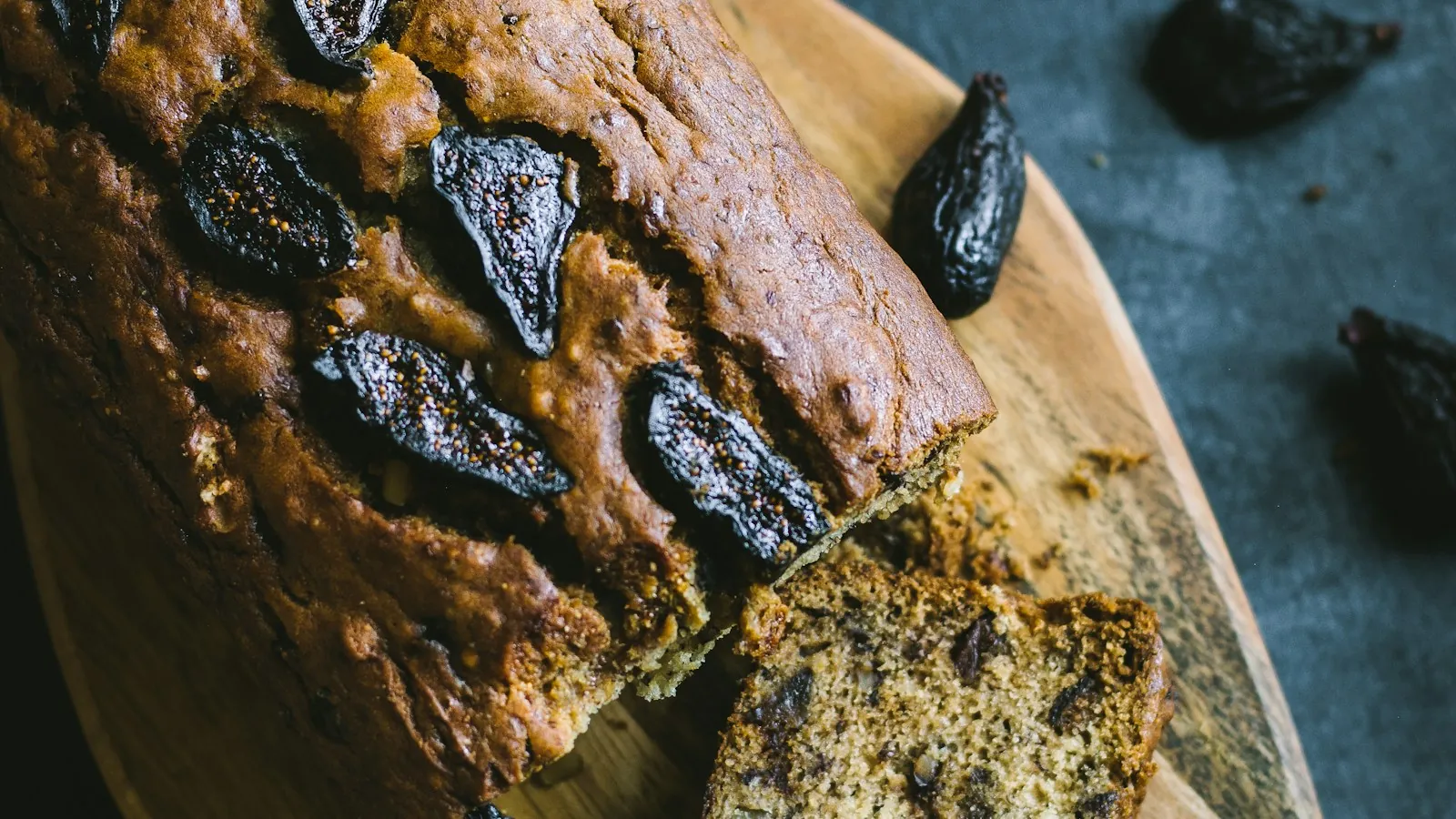
First, the bananas are already soft. A thawed banana mashes with a fork in seconds and blends evenly into batter, with no stubborn lumps. Second, the broken cells release a lot of liquid, and that liquid carries much of the banana's sugar and flavor.
America's Test Kitchen built its well-known Ultimate Banana Bread around this idea. The recipe microwaves fresh bananas to break them down on purpose, then drains off the liquid and reduces it on the stove. Their notes say thawed frozen bananas work just as well, and that you can skip the microwave step entirely because freezing has already done the job.
Should you drain the banana liquid or keep it?
A thawed banana sits in a puddle of brown, slightly syrupy liquid. Pour it all into a standard recipe and the batter gets too wet, which leads to a dense, gummy center that seems underbaked even when a toothpick says otherwise.
You have three reasonable choices:
- Discard it. Simple and safe. You lose a little flavor, but the texture will match what the recipe intended.
- Swap it in for other liquid. If your recipe calls for milk, buttermilk, or sour cream, use the banana liquid in place of an equal amount. About 1/4 cup from three bananas can stand in for 1/4 cup of buttermilk.
- Reduce it. This is the best-flavor option. Strain the thawed bananas through a fine-mesh sieve for about 15 minutes. Five bananas will give roughly 1/2 to 3/4 cup of liquid. Simmer it in a small saucepan over medium-high heat until it cooks down to about 1/4 cup (around 5 minutes), cool it slightly, and stir it back into the mash. You keep the sugar and aroma without the extra water.
If you are not sure which way your recipe leans, measure the banana after draining rather than before. Recipes that call for "1 1/2 cups mashed banana" were almost always developed with fresh fruit, which has much less free liquid.
Thawing frozen bananas: what works and how long it takes
Plan ahead if you can. Gentle thawing gives you the most control over the liquid.
| Method | Approximate time | Best for |
|---|---|---|
| Refrigerator | Overnight (small portions in 1 to 2 hours) | Planning ahead, least mess |
| Counter, in a bowl | About 1 to 2 hours, depending on size | Same-day baking |
| Cold water bath, sealed bag | About 30 minutes for mash or chunks | When you're in a hurry |
| Microwave at 50% power | About 3 minutes for 4 to 5 bananas, in short bursts | Last minute |
A few more notes:
- Thaw in a bowl or set the bag on a plate. Bags leak, and banana liquid is sticky.
- If you froze them unpeeled, let them thaw partway, snip off the stem end, and squeeze the banana out like a tube. It's faster than peeling.
- Don't leave thawed bananas sitting out for more than 2 hours before you bake. Use them right away or keep them in the fridge.
- For the cold water method, change the water every 10 minutes so it stays cold.
Can you bake with them straight from frozen?
You can, but it's rarely worth it. A frozen banana chills the butter and eggs around it, so creamed butter can seize into hard flecks, much like cold eggs do to coconut oil, and the batter thickens unevenly. The bread may also need noticeably longer in the oven, which risks a dark crust over a wet middle.
If you're short on time, the microwave at half power is a better shortcut than tossing frozen chunks into the mixer. Let the thawed banana sit for a few minutes so it isn't hot before it meets the eggs.
A standard loaf bakes at 350°F, and dense, banana-heavy loaves can take anywhere from 55 to 75 minutes. Start checking toward the early end, and test the very center with a toothpick or skewer. Moist crumbs are fine. Wet batter means more time.
Other ways to use a freezer full of bananas
Banana bread isn't the only payoff. Frozen bananas also work well in:
- Muffins and snack cakes, using the same drained mash
- Pancakes and waffles (thaw and mash, then cut back slightly on milk, and let the batter rest)
- Smoothies, straight from frozen in slices (if your blender leaves chunks, add liquid first)
- One-ingredient "nice cream," blended from frozen slices until creamy
- Oatmeal, stirred in during the last minute of cooking
If you keep a bag going in the freezer and add to it whenever a banana gets past eating stage, you'll always have enough for a loaf. Just rotate the bag so the oldest bananas get used first, the same habit that helps with other freezer and fridge staples.
 How frozen bananas look when they go into the batter
Black peels and soggy thawed fruit look off-putting until you see them turn into loaf batter. America's Test Kitchen takes a banana bread from batter to finished loaf.
Take Your Banana Bread to the Next Level with Chocolate
By America's Test Kitchen on YouTube. Their method may vary a little from ours. Watch on YouTube
- Check how ripe the bananas are in the bowl and compare them with the heavily freckled or brown peels the piece recommends.
- Notice how much mashed banana goes in and compare it with the 1 to 1 1/2 cups most recipes want.
- Look at the batter and the finished loaf, then think about how the thawed fruit and its liquid contribute to moisture.