 Picking Produce
What Should You Look for to Choose a Good Steak at the Meat Counter?
 By the CookClear writers
Checked against USDA grading standards and university extension buying advice
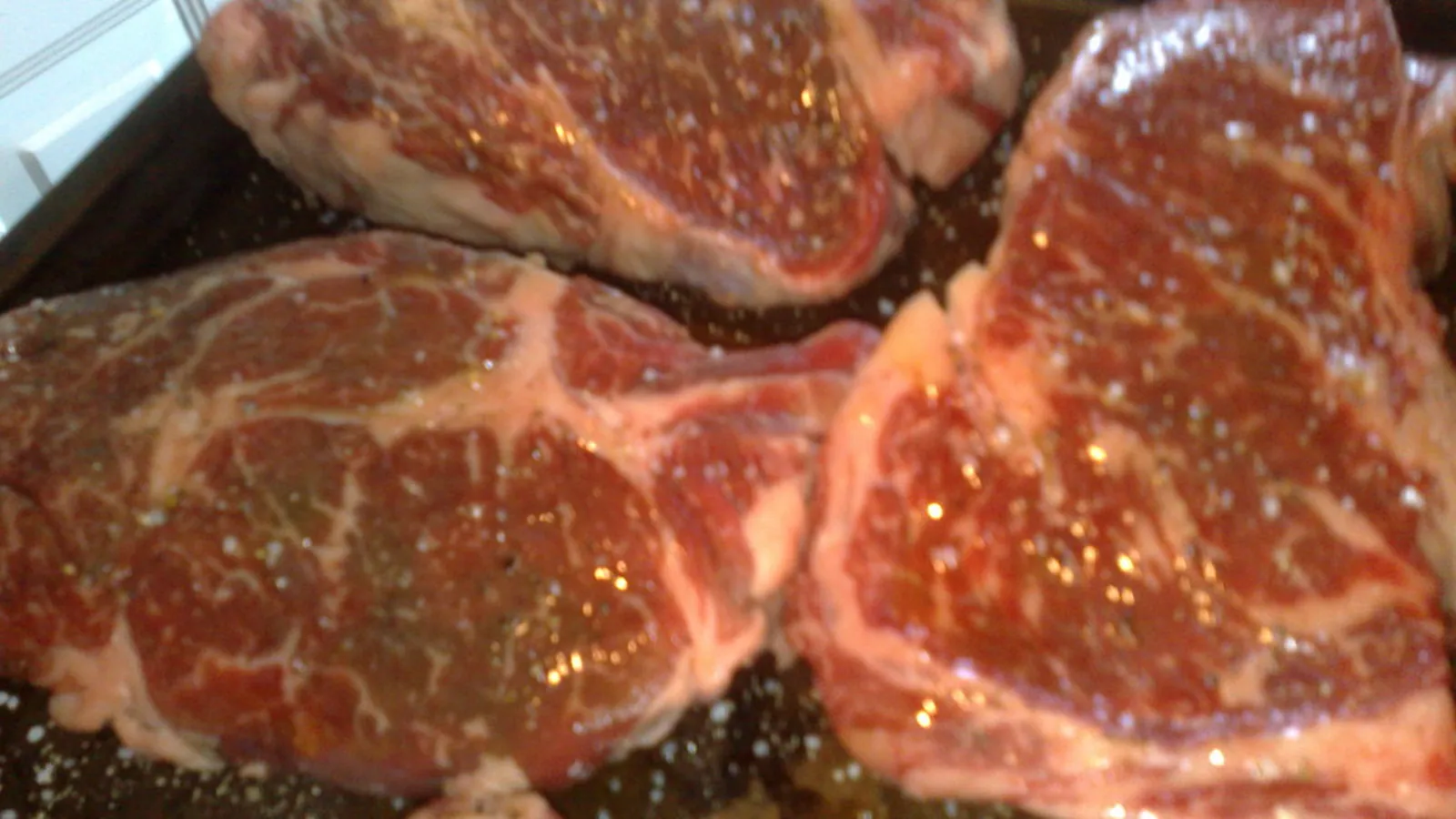
 Clear Answer
To choose a good steak, pick USDA Prime or Choice, look for fine white flecks of marbling spread through the lean, and buy a cut at least 1 inch thick. The meat should be firm and cherry red (purple-red if vacuum sealed), sitting in a cold, intact package with little or no liquid.
What is the difference between USDA Prime, Choice and Select?
The USDA Prime, Choice and Select difference comes down mostly to marbling, the fat woven inside the muscle. The USDA Agricultural Marketing Service (AMS) sets the standards, and its graders look at marbling and the age of the animal to predict how juicy, tender and flavorful the beef will eat.
 On the menu9 questions
| Grade | Minimum marbling (USDA term) | Share of graded young cattle | Where you find it | Best use |
|---|---|---|---|---|
| Prime | Slightly abundant | About 5% | Restaurants, warehouse clubs, some butchers | Fast, hot cooking: grill, sear, broil |
| Choice | Small | About 60 to 65% | Most supermarkets | Grill or sear the rib and loin cuts |
| Select | Slight | About 25% | Budget and store brand packs | Marinate, braise, or cook gently |
| Standard and Commercial | Lower | Small | Often sold ungraded or as store brand | Ground beef, stews |
Share figures come from Oklahoma State University extension; marbling terms are from AMS.
A few things the shield on the label does and does not mean:
- Grading is voluntary. Safety inspection is required, but packers pay for quality grading. An ungraded store brand steak is safe, just unrated.
- Choice is a wide band. Oklahoma State notes its marbling "can vary widely," so pick the Choice steak with more visible flecks.
- Select is lean on purpose. AMS describes it as uniform but warns it "may lack some of the juiciness and flavor of the higher grades." America's Test Kitchen goes further and advises skipping Select steaks for searing.
What does marbling mean in steak, and how much do you want?
Marbling means the thin streaks and flecks of fat inside the lean muscle, not the thick band of fat around the edge. AMS defines it as "the amount of fat interspersed with lean meat," and Oklahoma State calls it the single greatest factor in how much you will enjoy a steak.
As the steak cooks, that fat melts, keeping the meat juicy and giving you a little room for error.
What to look for in the case:
- Fine, evenly spread flecks across the whole face of the steak beat a few thick streaks in one corner.
- White or creamy fat is normal for grain finished beef. Grass finished beef often has yellower fat, which is a diet difference, not a flaw.
- Ignore the outer fat cap for this check. You can trim that off; you cannot add marbling back.
Why is steak purple in the package, and is brown beef bad?
If you have wondered why steak is purple in the package, it is simply beef that has not met oxygen yet. Ohio State University extension explains that myoglobin, the protein that colors meat, is purple-red on its own. When air reaches it, it forms oxymyoglobin and turns bright cherry red. After longer exposure to air and store lighting, it slowly shifts to metmyoglobin, which looks brownish red.
| What you see | Likely cause | What to do |
|---|---|---|
| Purple or maroon steak in a vacuum pack | No oxygen inside the bag, normal | Open it and the surface turns red as air reaches it |
| Bright cherry red surface | Fresh exposure to air, normal | Buy it |
| Brownish patches on an otherwise red steak | Time and light in the case | Fine to eat if the smell and feel are right; cook it soon or look for a markdown |
| Gray, slimy or tacky surface with a sour smell | Spoilage | Skip it or return it |
| Puffy, swollen package | Gas from bacteria, or a broken seal | Do not buy |
| A pool of red liquid in the tray | Purge from cut muscle | Choose a package with less liquid |
Color alone does not mean spoilage. Ohio State points to off odors, stickiness and sliminess as the better signs. The sell-by stamp is a store inventory date, and what a best by date means for safety is a different question from how the meat looks.
Is the red liquid in the package blood?
No. That liquid is called purge, and it is mostly water and meat proteins that drain out of the cut surfaces. Myoglobin rides along with the water, which is why it looks pink or red. Gregg Rentfrow, a meat science professor with University of Kentucky extension, makes this point and adds that you should handle the liquid like any other raw meat juice.
A little purge is normal; a lot means the steak has lost moisture it would have kept on the plate. Clemson University extension recommends packages that are cold to the touch, free of tears or punctures, and holding little or no excess liquid.
Before cooking, pat the steak very dry with paper towels. Wet surfaces steam instead of browning, the same reason scallops refuse to sear when they come out of the package damp.
How thick should a steak be for searing?
For searing, a steak should be at least 1 inch thick, and 1 to 1 1/4 inches is the range America's Test Kitchen recommends for pan searing. That thickness gives the outside time to build a deep brown crust before the center goes past medium.
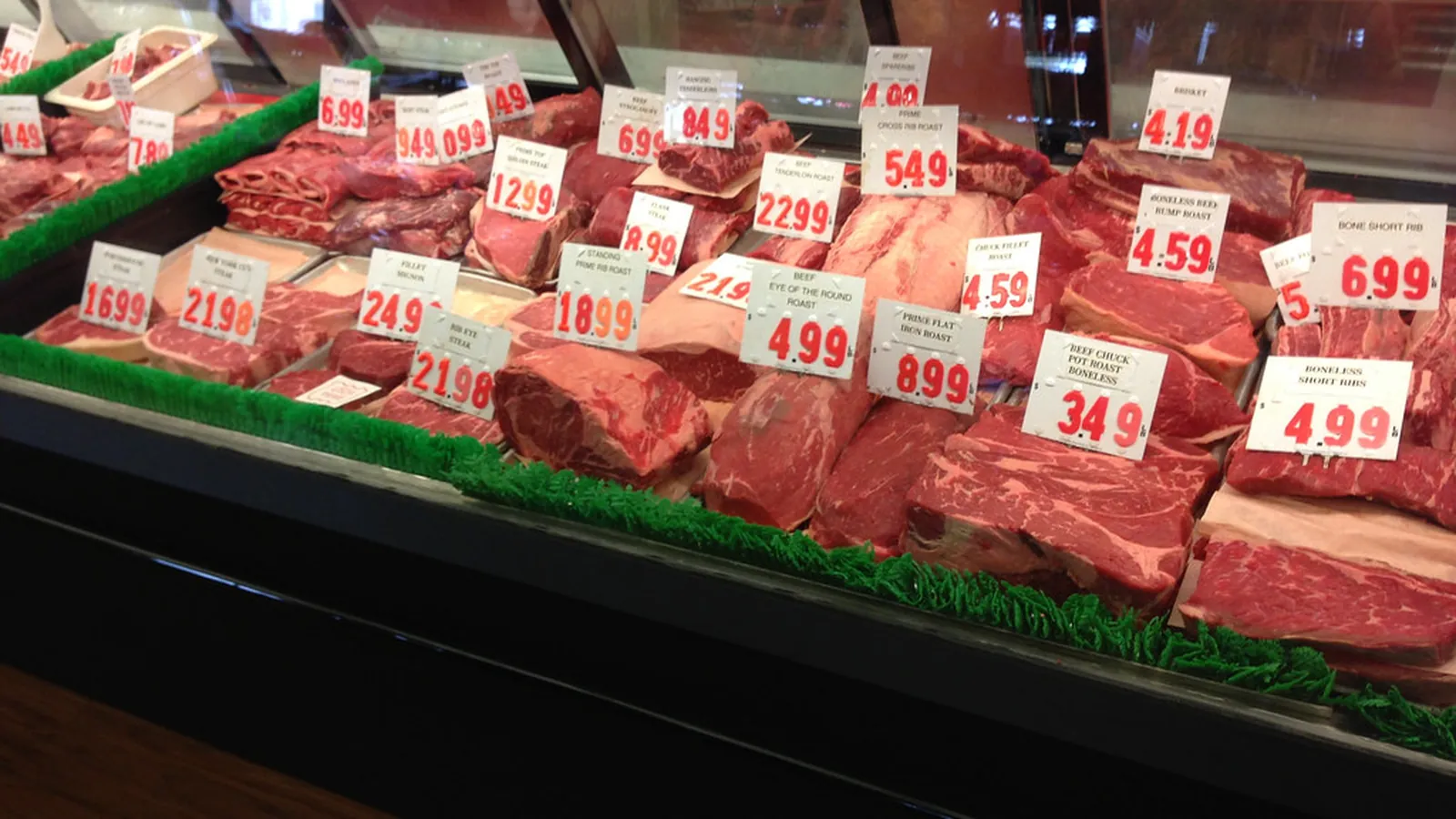
A 1/2 inch steak overcooks in the time it takes to brown, so you get either a crust or a pink center, not both.
Thickness tips at the counter:
- Check the edge, not the label. Many packs only list weight. Look at the side of the steak, or hold a ruler up to the package if you are unsure.
- Ask the butcher. Most full service counters will cut a ribeye or strip to 1 1/4 inches on request, and some will do it for prepacked cuts behind the glass too.
- Go even thicker for the grill. Very thick steaks, 2 inches and up, are tough to cook through in a skillet but work well on a grill with a cooler zone or in the oven.
If you are buying for a group, weigh portions before thickness. A 1 1/4 inch ribeye usually runs well over a pound, so plan how much meat per person you need and then slice steaks to share.
On a thick steak the center lags the outside, and an instant read thermometer tells you when to pull it. USDA's safe minimum for whole beef steaks is 145°F.
Which steak cuts give you the most for the money?
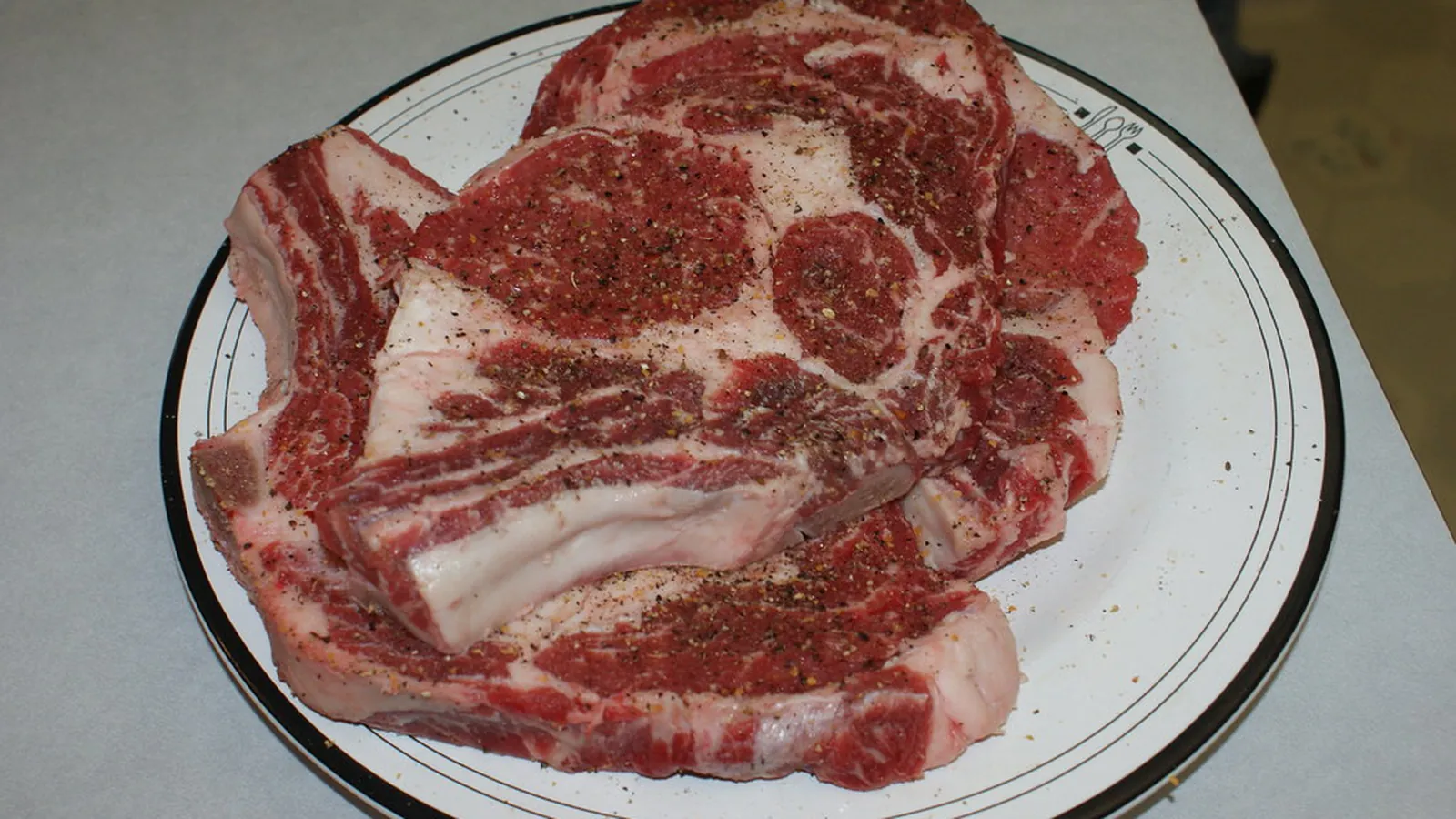
The best steak cuts for the money depend on how you cook and how much chew you are willing to accept. Tenderness in this table follows the University of Nebraska beef muscle tenderness ranking, a shear force study funded by the Beef Checkoff. Price notes are relative, since per pound prices swing by region and season.
| Cut | Where it comes from | Tenderness | Flavor and fat | Price note | Best way to cook |
|---|---|---|---|---|---|
| Ribeye | Rib | Intermediate to tender | Most marbling, richest | Among the highest | Sear, grill |
| Strip (New York, top loin) | Short loin | Intermediate, slightly firmer than ribeye | Beefy, moderate fat | High, close to ribeye | Sear, grill |
| Top sirloin | Sirloin | Firmer, ranked in the tougher group | Lean, good beef flavor | Moderate | Grill, sear, slice thin |
| Flank | Belly area | Intermediate, long coarse grain | Lean, strong flavor | Moderate | Marinate, grill hot, slice across the grain |
| Chuck eye | Rib end of the chuck, next to the ribeye | Varies, often firmer than ribeye | Rich, ribeye-like fat | Low | Sear or grill to medium rare |
Ribeye is the safest first pick because its marbling forgives a little overcooking. Top sirloin is the weeknight value cut: buy Choice and stop at medium. Chuck eye can eat like a cheaper ribeye, but supply is small and quality varies, so judge each steak by its marbling.
The USDA Prime, Choice, Select difference matters most on lean cuts. A Select ribeye still has some fat to lean on, while a Select sirloin can end up dry and chewy. If the budget forces a choice, a Choice sirloin often beats a Select ribeye.
What do grass fed, natural and Angus labels mean on steak?
Grass fed, natural and Angus labels tell you about the animal or the processing, not about grade. A steak can carry any of them and still be Select or ungraded. North Carolina State extension breaks the common terms down this way:
| Label term | What it means | Who checks it |
|---|---|---|
| Natural | No artificial ingredients or added color, minimally processed. Says nothing about how the animal was raised | Not third party verified |
| Grass fed | Diet of grass and forage after weaning, no grain | USDA approves the label from paperwork; third party certification is stronger |
| USDA Organic | Raised and processed under USDA organic standards. Organic cattle can still eat grain | Third party certified |
| No hormones added | Raised without added growth promotants | Not third party verified |
| Raised without antibiotics | No antibiotics at any point in the animal's life | Not third party verified |
| Angus | A breed of cattle; says nothing about grade by itself | Varies by brand |
| Certified Angus Beef | A brand program that only accepts Prime or Choice beef with at least Modest marbling | USDA AMS graders apply the program rules |
Plain "Angus" on a store label carries no marbling promise; the Certified Angus Beef brand does.
Grass fed steaks tend to be leaner, so they cook faster and are less forgiving past medium rare.
How to bring a good steak home and keep it that way
Clemson University extension suggests buying raw meat last so it spends the least time out of the cold, and keeping whole cuts like steak in the fridge for 3 to 5 days after purchase. Freeze it if your plan slips, and remember that refreezing thawed meat costs some juiciness even when it is safe.
Set the package on a plate on the bottom shelf so purge cannot drip onto produce.
After cooking, give it a few minutes on the board before slicing. Resting a thick steak lets the center finish rising toward your target temperature.
A cold, intact package and a clean smell count just as much with the signs of fresh fish at the seafood counter and the rest of your produce picks.
 Reading marbling and thickness at a real butcher case
Marbling and thickness are easier to judge when you see raw steaks side by side. Watch for how a butcher compares cuts before you head to the store.
How to Pick the Best Steaks at the Grocery Store | America's Test Kitchen
By America's Test Kitchen on YouTube. Their method may vary a little from ours. Watch on YouTube
- Look for steaks cut 1 to 1 1/4 inches thick, and compare how much more even the cooking is than on a 1/2 inch steak.
- Notice fine, scattered flecks of fat across the whole face, the kind of marbling that marks Choice and Prime.
- Compare how ribeye, strip and sirloin differ in fat, since that spread lines up with the tenderness and price notes in the cuts table.


