Techniques
Why Does Garlic Turn Bitter in the Pan, and How Do You Keep It Sweet?
 By the CookClear writers
Checked against test kitchen and food science sources
 Clear Answer
Garlic turns bitter because it burns fast: minced garlic in oil over medium-high heat goes from fragrant to scorched in about 60 to 90 seconds, and past deep golden it forms harsh compounds no sauce can hide. To keep it sweet, add it later, use gentler heat, and stop at pale gold.
What actually happens to garlic in hot oil?
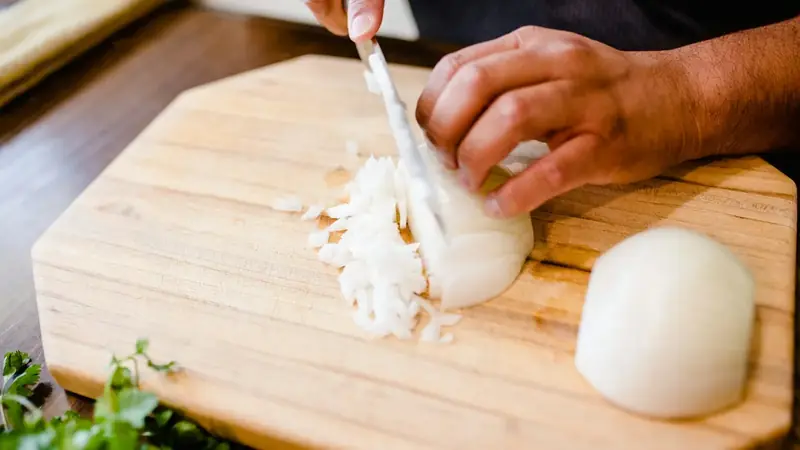
Raw garlic is about 60 percent water, compared with roughly 89 percent for onions. That lower moisture means there is less water to evaporate before the surface starts browning. Water caps the food's temperature near 212°F while it is still boiling off, so onions sit at that ceiling for a long time. Garlic gets through that phase fast.
Garlic also carries a good load of carbohydrates, mostly fructans, which break down into simple sugars with heat. Sugars brown through caramelization and the Maillard reaction. In the right range, that gives you the nutty, sweet smell of golden garlic. Push past it and the sugars char into bitter, burnt-tasting compounds.
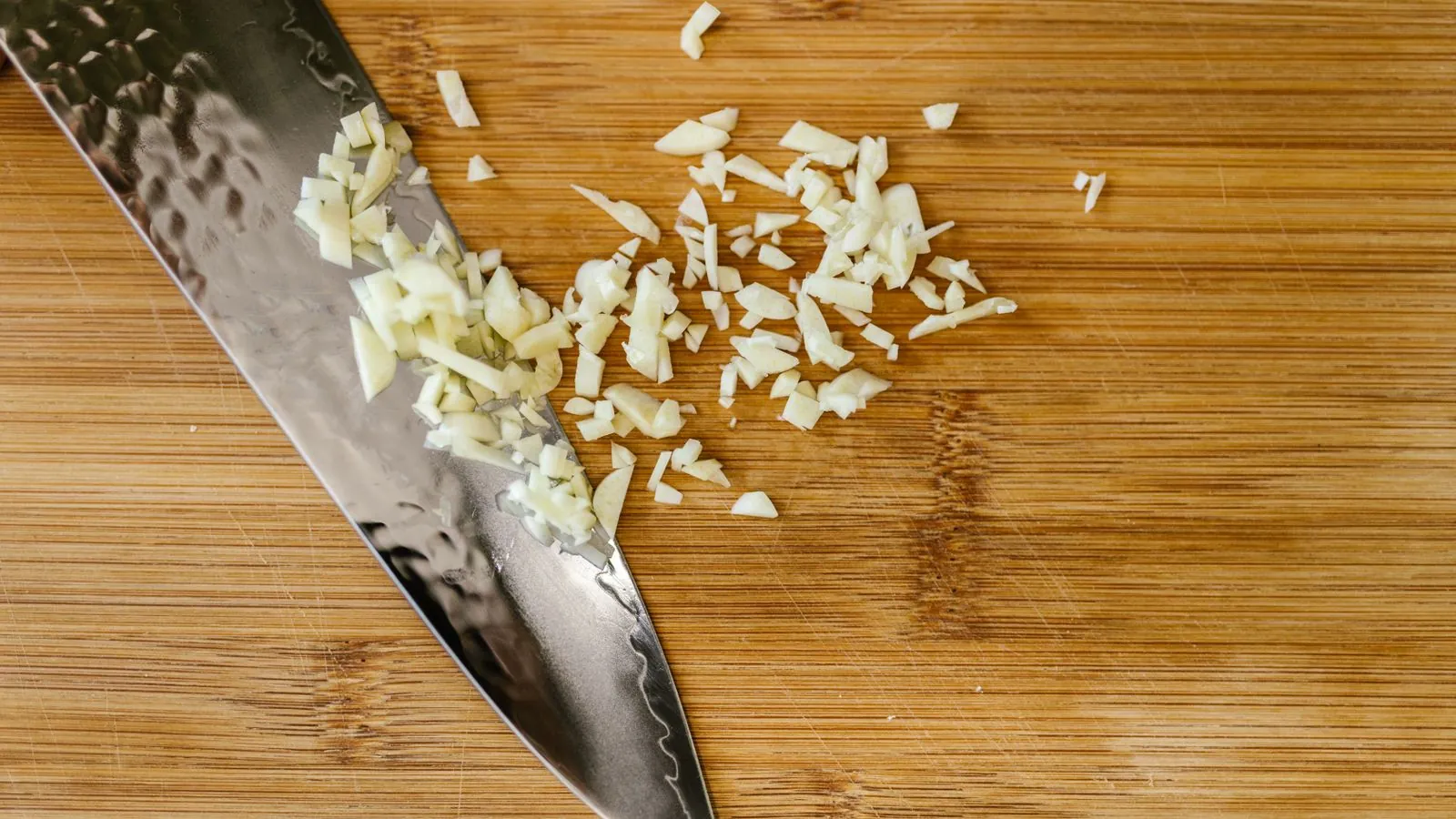
Size makes all of it worse. A minced clove is a pile of pieces maybe 1 to 2 millimeters across, each with a huge amount of surface touching hot oil. Thin edges heat through almost instantly. A whole clove has a fraction of that exposed surface, which is why it can sit in oil for 15 minutes without trouble.
Why it burns before your onions are even soft
The classic recipe line "heat oil, add onion and garlic" puts both in together, though they need very different amounts of time. By the time the onion turns translucent at around 5 minutes, the garlic has been browning for 4 of them.
Your pan matters too. Most stovetop sautéing happens with oil somewhere around 300 to 375°F. Garlic does fine near the lower end and goes dark quickly near the top. Hot spots in thin pans make this uneven, so a few bits can burn while the rest look fine, and those few bits are enough to taste.
The timing usually goes like this for minced garlic in a tablespoon or two of oil over medium heat:
| Time in pan | What you see | What it tastes like |
|---|---|---|
| 0 to 15 seconds | Sizzling, still white | Sharp and raw |
| 15 to 30 seconds | Fragrant, edges turning cream | Mellowing, still pungent |
| 30 to 60 seconds | Pale gold, smells sweet and toasty | Where most recipes want it |
| 60 to 90 seconds | Deep gold to light brown | Nutty, starting to turn |
| 90+ seconds | Brown to dark brown | Bitter, acrid |
Over medium-high or high heat, shave those times roughly in half. On low heat with plenty of oil, you can stretch them by several minutes.
How can you tell garlic is burnt?
Your nose is the best tool. Good garlic smells sweet and round. Burnt garlic has a sharp, harsh smell that catches in the back of your throat, a bit like toast left too long.
Look at color next. You want pale straw to light gold. Medium brown bits are a warning, and anything dark brown or black is past saving. Remember that garlic keeps cooking from the heat of the oil for a few seconds after you pull the pan, so stop a shade lighter than your target.
If you are unsure, taste a single piece. Bitterness is obvious right away and will only spread once you add liquid.
Can you save a dish with burnt garlic?
Mostly, no. Bitter compounds dissolve into the oil, and that oil is what flavors everything else in the pan. If the garlic burns before anything else goes in, the cheapest move is to wipe the pan and start again. A clove of garlic and a spoonful of oil cost far less than a pot of sauce.
If you catch it mid-recipe, with other food already in the pan, pick out the darkest pieces and keep going. A little acid (lemon juice, a splash of vinegar) or a pinch of sugar can soften a mild edge. Heavy bitterness will not cover up, though, so do not count on rescue.
When to add garlic so it stays sweet
Order matters most. In most savory dishes, garlic should go in after the slower ingredients have mostly cooked. A reliable sequence for a typical sauté, soup base, or pan sauce:
- Heat the oil and cook the onions, peppers, carrots, or celery until they are almost where you want them, usually 5 to 8 minutes.
- Push the vegetables to the edge of the pan to clear a small spot, or simply lower the heat to medium-low.
- Add the garlic and stir for 30 to 60 seconds, just until it smells fragrant.
- Add your liquid right away: tomatoes, stock, wine or a stand-in, cream, or even a splash of water. Liquid drops the pan temperature to around 212°F and stops browning almost instantly.
That last step is what makes "cook until fragrant, about 30 seconds" work in recipes. The garlic only needs to lose its raw edge before something wet arrives to protect it.
For stir-fries and fried rice, the same idea applies at higher heat. Many cooks add garlic and ginger in the final minute, often moving the cooked food aside, dropping the aromatics into the hot center for 10 to 15 seconds, then tossing everything together with the sauce.
Ways to cook garlic that give you more time
Cut size changes how forgiving garlic is. Bigger pieces brown slower, so you have more control. Some useful options:
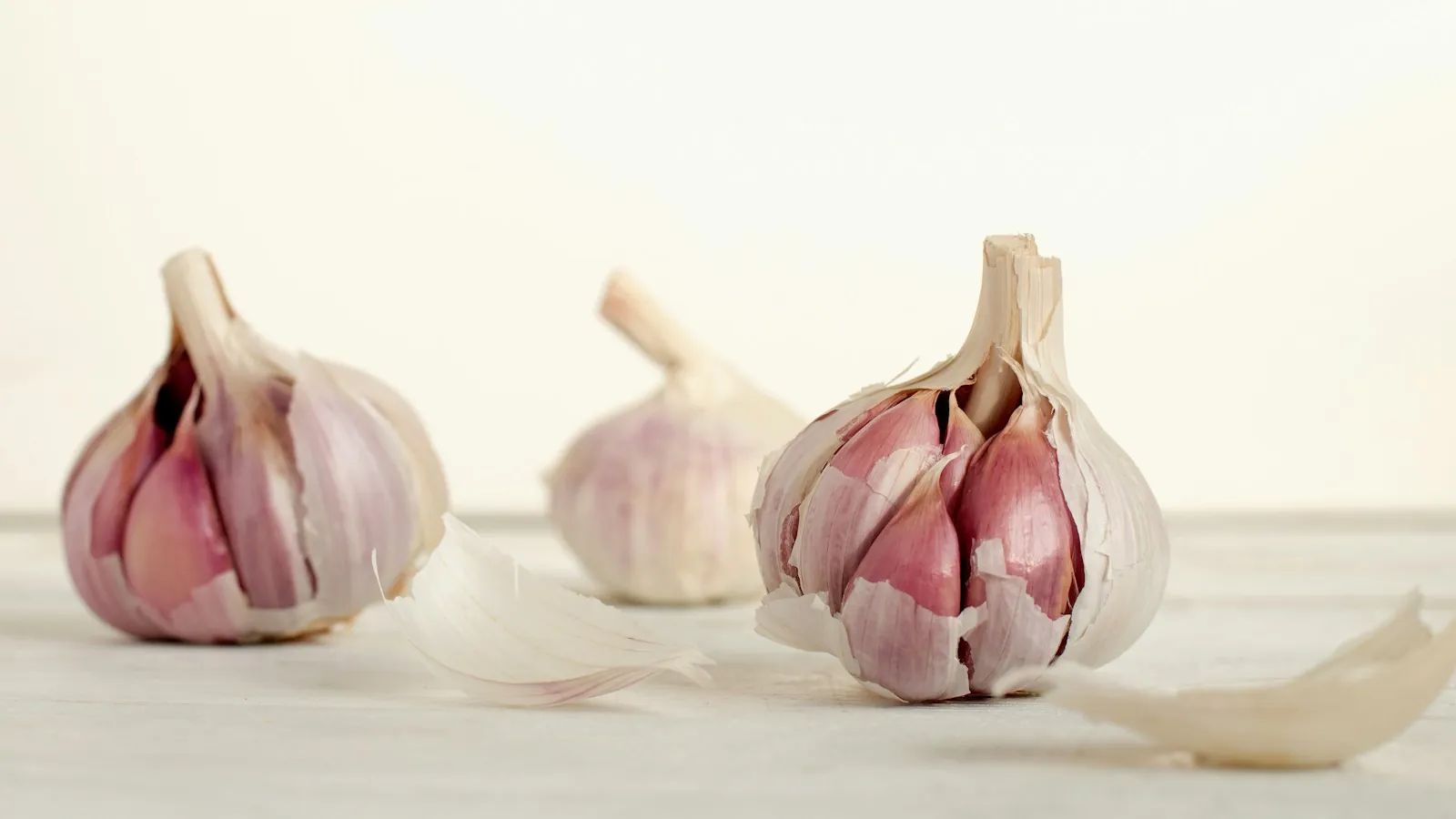
- Whole cloves: Smash lightly and cook in oil over low heat for 5 to 10 minutes. You get a sweet, mellow flavor and a lot of margin for error.
- Thin slices: Slower and more even than mince. Good for garlic chips or pasta like aglio e olio.
- Rough chop: A middle ground for most weeknight cooking.
- Fine mince or paste: Most intense flavor, least forgiving. Add at the very end or straight into liquid.
- Grated into sauces: Skip browning entirely and let it cook in the liquid for a few minutes.
Starting in cold oil also helps. Put sliced or smashed garlic in the pan with the oil, then turn on the heat to medium-low. The garlic warms up gradually with the oil instead of hitting a 350°F surface, and you can watch it color slowly over 3 to 5 minutes. This is how a good aglio e olio gets that even golden garlic without bitter spots.
More oil helps too. A thin film can hit higher temperatures in spots, while a deeper layer of oil holds heat more evenly and makes it easier to lift the garlic out at the right moment.
Does jarred or pre-minced garlic burn faster?
Jarred minced garlic is usually packed in water or oil, sometimes with citric or phosphoric acid. The extra water can slow browning for the first few seconds, but the tiny, uniform pieces and any added sugar or sweeteners mean it still goes dark fast once that liquid cooks off. Its flavor is also flatter and sometimes slightly sour, so it can taste "off" even when it has not burned.
Garlic powder, which also fades as ground spices age, burns faster still. It has almost no water and a huge surface area, so it can scorch in seconds in hot oil. It is better mixed into rubs, sauces, or doughs, or added to a dish once liquid is in the pan.
Garlic that is old and sprouting has its own issue. The green germ in the center tastes harsher, and some cooks find it more bitter when cooked. If you see a thick green shoot, you can split the clove and pull it out, though for most dishes the difference is small.
Does cooked garlic need any food safety care?
Cooking garlic in a pan is not a safety concern, but homemade garlic in oil is. Garlic can carry Clostridium botulinum spores, and an oxygen-free, low-acid oil environment at room temperature lets them grow and make toxin. Food safety guidance from the USDA and university extension services is to refrigerate homemade garlic-in-oil and use it within about 4 days, or freeze it for longer storage. Never leave it on the counter.
If you make a batch of garlic confit (cloves slowly cooked in oil), treat it the same way: cool it quickly, keep it refrigerated, and use it within those few days. Cooked dishes with garlic follow the usual rules, staying out of the 40 to 140°F range for no more than 2 hours.
Quick fixes for the most common garlic mistakes
| Problem | Likely cause | Fix |
|---|---|---|
| Garlic browns while onions are still raw | Added at the same time | Add garlic in the last minute before liquid |
| A few black specks, rest is fine | Hot spots or a thin pan | Lower heat, use more oil, stir constantly |
| Garlic tastes harsh but looks pale | Garlic powder or old sprouted cloves | Use fresh cloves, remove green germs |
| Garlic burns in stir-fries | High heat for too long | Add for 10 to 15 seconds, then sauce |
| Garlic bread tastes bitter | Edges browned under the broiler | Use garlic butter, broil 1 to 2 minutes, watch closely |
| Roasted veg has scorched garlic | Minced garlic tossed on at the start | Use whole cloves, or add minced garlic for the last 5 to 10 minutes |
In the oven, minced garlic tossed with vegetables at 425°F for 30 minutes will almost always scorch. Whole unpeeled cloves roast well in the same time because the papery skin and dense flesh protect them.
A few habits that make it automatic
Keep your garlic prepped and next to the stove before you start, so you are not mincing while something else cooks. Have the liquid ready too, whether that is a can of tomatoes opened or stock measured out. The most common way garlic burns is a cook turning away for 30 seconds to find the next ingredient.
Turn the heat down before the garlic goes in, not after. Pans hold heat, and lowering the burner once garlic is already browning rarely stops it in time. If things are moving too fast, slide the pan off the burner entirely for a few seconds.
Read the recipe's wording as a cue for color rather than a timer. "Until fragrant" means pale, not brown. "Until golden" means light gold, pulled a moment early. Your stove, pan, and cut size all change the clock, as they do with any stovetop technique.
 How fast garlic changes color in a hot pan
The slide from pale gold to bitter brown takes seconds, so color and timing are worth seeing live. Ethan Chlebowski cooks fresh and jarred garlic side by side.
Real Simple Cooking Solutions: How to Cook Garlic Without Scorching
By Real Simple on YouTube. Their method may vary a little from ours. Watch on YouTube
- Compare the garlic color at each point with the timing table above, from pale straw to deep gold.
- Notice how the size of the cut and the heat level change how quickly each batch moves along.
- Watch for when liquid or other ingredients arrive, since that is the step that stops garlic from browning too far.