 Substitutes
Will Coconut Oil Work Instead of Vegetable Oil in Muffins and Cakes?
 By the CookClear writers
Checked against test kitchen and baking science sources
 Clear Answer
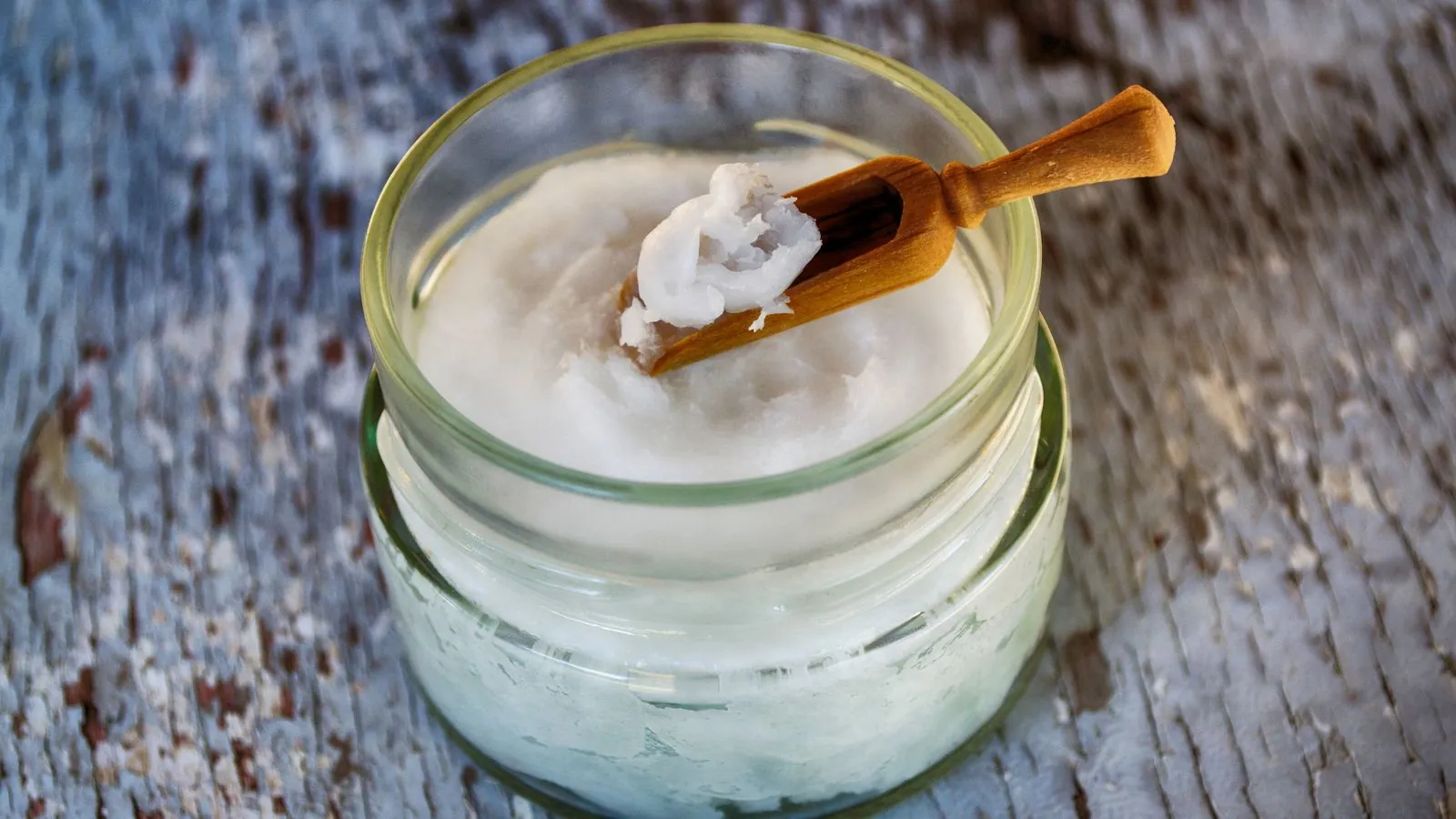
Yes. Melted coconut oil swaps for vegetable oil 1:1 by volume in muffins and cakes, so 1/2 cup vegetable oil becomes 1/2 cup melted coconut oil. Bring cold eggs and milk to room temperature so the oil doesn't seize into lumps (it turns solid below about 76°F), and use refined coconut oil if you don't want a coconut taste.
Why the swap is a straight 1:1
Vegetable oil and coconut oil are both close to 100% fat. That's different from swapping oil for butter, where you have to adjust for butter's water content. Here there's nothing to correct for.
 On the menu9 questions
In a muffin or cake, oil coats the flour proteins so they can't link up into tough gluten, which keeps the crumb tender. Coconut oil does that just as well once it's liquid. The batter will look and pour the same as long as the oil stays melted while you mix.
| Vegetable oil in recipe | Melted coconut oil to use |
|---|---|
| 1 tablespoon | 1 tablespoon |
| 1/4 cup | 1/4 cup |
| 1/3 cup | 1/3 cup |
| 1/2 cup | 1/2 cup |
| 2/3 cup | 2/3 cup |
| 1 cup | 1 cup |
Measure the coconut oil after melting it, not as a solid scoop. Packed solid oil and liquid oil don't measure out the same, and guessing from a spoonful of the hard stuff is how you end up short. Or weigh it on a kitchen scale, where solid and liquid read the same. If the recipe lists oil in cups, converting cups to grams lets you weigh it straight into the bowl.
Why did my coconut oil batter turn lumpy?
Cold ingredients are almost always the cause. Coconut oil is solid at a cool room temperature and liquid above roughly 76°F. In a kitchen sitting at 68°F, the jar will be firm and white. Melt it and it turns clear, but it only stays that way while it's warm.
Pour warm melted coconut oil into a bowl with eggs straight from the fridge or cold buttermilk (or a soured-milk stand-in), and it firms up on contact. You'll see small waxy flecks or streaks that won't stir in. Those bits melt in the oven, but they leave uneven pockets of fat behind, and the crumb can turn spotty or greasy in places.
Follow these steps whenever a recipe uses cold dairy or eggs:
- Take the eggs, milk, yogurt or buttermilk out of the fridge 30 to 60 minutes ahead, or set whole eggs in a bowl of warm tap water for 5 to 10 minutes.
- Melt the coconut oil gently, in the microwave in short bursts or in a small pan over low heat. It should be just liquid, not hot.
- Let the melted oil cool for a few minutes so it won't scramble the eggs.
- Whisk the wet ingredients together first, adding the oil in a slow stream while you whisk.
- If you see flecks forming anyway, set the bowl over a pan of warm water for a minute and whisk until they disappear.
If you forget and the batter is already lumpy, a short rest in a warm spot and another stir usually brings it back.
Refined or unrefined: which jar to buy
There are two common types on the shelf, and they behave the same in a batter but taste very different.
- Refined coconut oil has been processed to remove the coconut flavor and smell. It's close to neutral, so it acts the most like vegetable oil. Pick this for a vanilla cake, lemon muffins, or anything where you'd notice coconut.
- Unrefined (virgin) coconut oil keeps a clear coconut taste and aroma. In banana bread (a good use for frozen overripe bananas), carrot cake, pineapple muffins or chocolate brownies it can be a nice bonus. In a plain yellow cake it may read as odd.
For baking, the smoke point difference doesn't come into play. Refined coconut oil smokes at around 400 to 450°F and unrefined at about 350°F, but the inside of a muffin never gets anywhere near either one. Pick based on flavor alone.
How muffins, cakes and brownies turn out
Results come out very close to the original, with small texture shifts. Coconut oil is a saturated fat that firms up as it cools, while vegetable oil stays liquid at any normal kitchen temperature. That's the root of almost every difference you'll notice.
| Bake | Result with coconut oil | Tip |
|---|---|---|
| Muffins | Same rise, slightly firmer crumb once fully cool | Eat warm or rewarm 10 seconds in the microwave |
| Quick breads (banana, zucchini) | Very close to the original, maybe a touch denser | Unrefined oil works well here |
| Oil-based cakes (carrot, chocolate snack cake) | Tender crumb, a little firmer the next day | Store at room temperature, not in the fridge |
| Boxed cake mix | Works fine | Bring the eggs and water to room temp |
| Brownies | Fudgy, slightly firmer and cleaner to slice | Great for chewy, dense brownies |
Muffins and quick breads
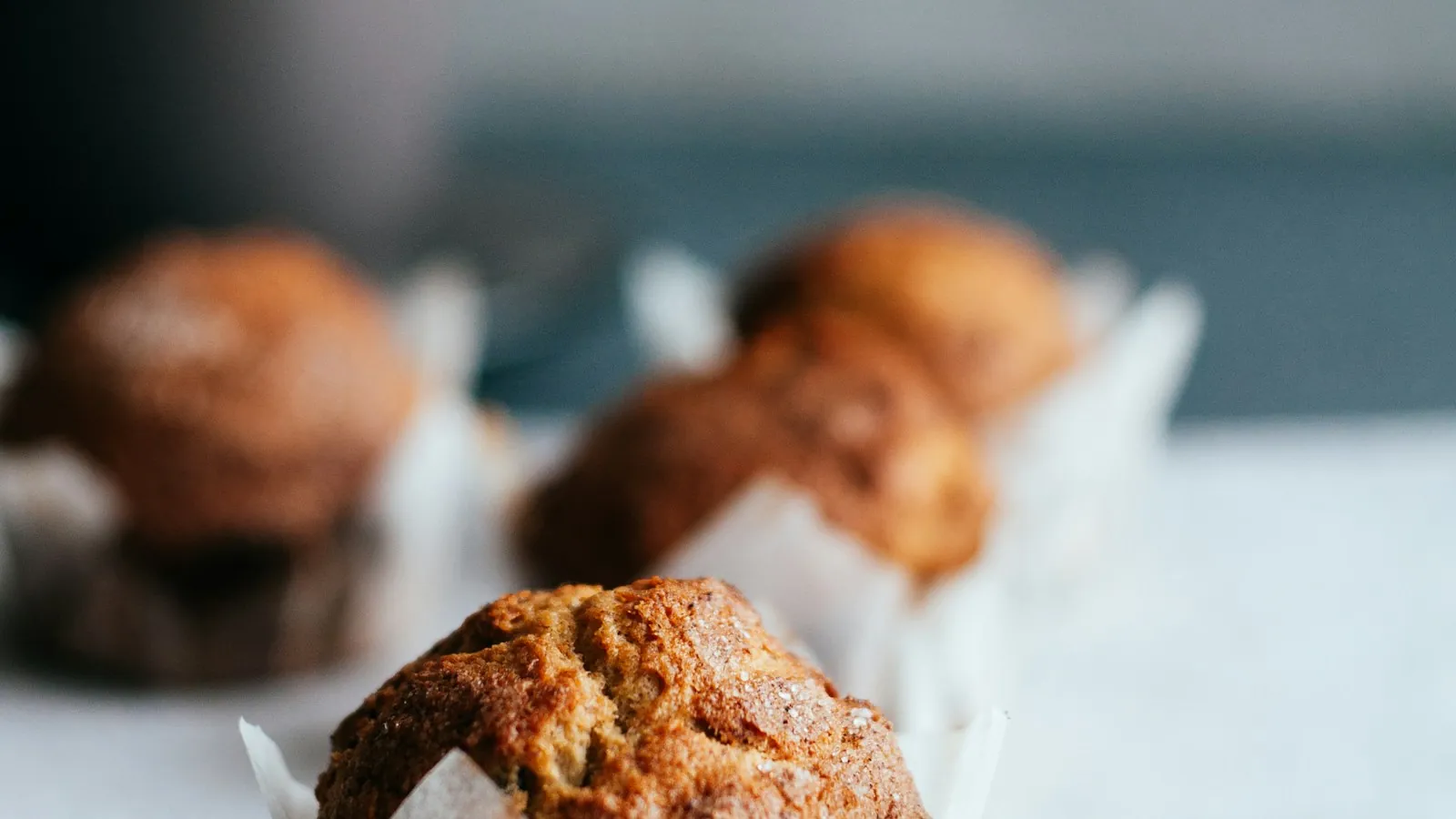
These are the easiest place to start. A muffin batter is mixed briefly and baked hot, so there's little that can go wrong once the oil is melted and the cold ingredients are warmed. Expect the same dome and the same color. Tropical add-ins suit the coconut flavor, and chunks of a ripe, fragrant pineapple make a good muffin with unrefined oil.
The difference shows up a few hours later. Oil-based muffins stay soft because their fat stays liquid. With coconut oil, the fat sets as the muffins cool, so the crumb feels a little firmer and less moist to the touch. A few seconds in the microwave brings back that fresh-baked texture.
Cakes
Oil-based cakes, like carrot cake, chocolate snack cake or a cake from a mix, take coconut oil well. The crumb is tender and the cake slices neatly. Some bakers find the texture a touch denser compared with canola; the difference is small.
The difference shows most in the refrigerator. A cake made with vegetable oil stays soft when chilled. A coconut oil cake can turn noticeably firm straight from the fridge, since the fat hardens below about 76°F. If your cake has a cream cheese frosting that needs refrigeration, let slices sit out 20 to 30 minutes before serving.
Brownies
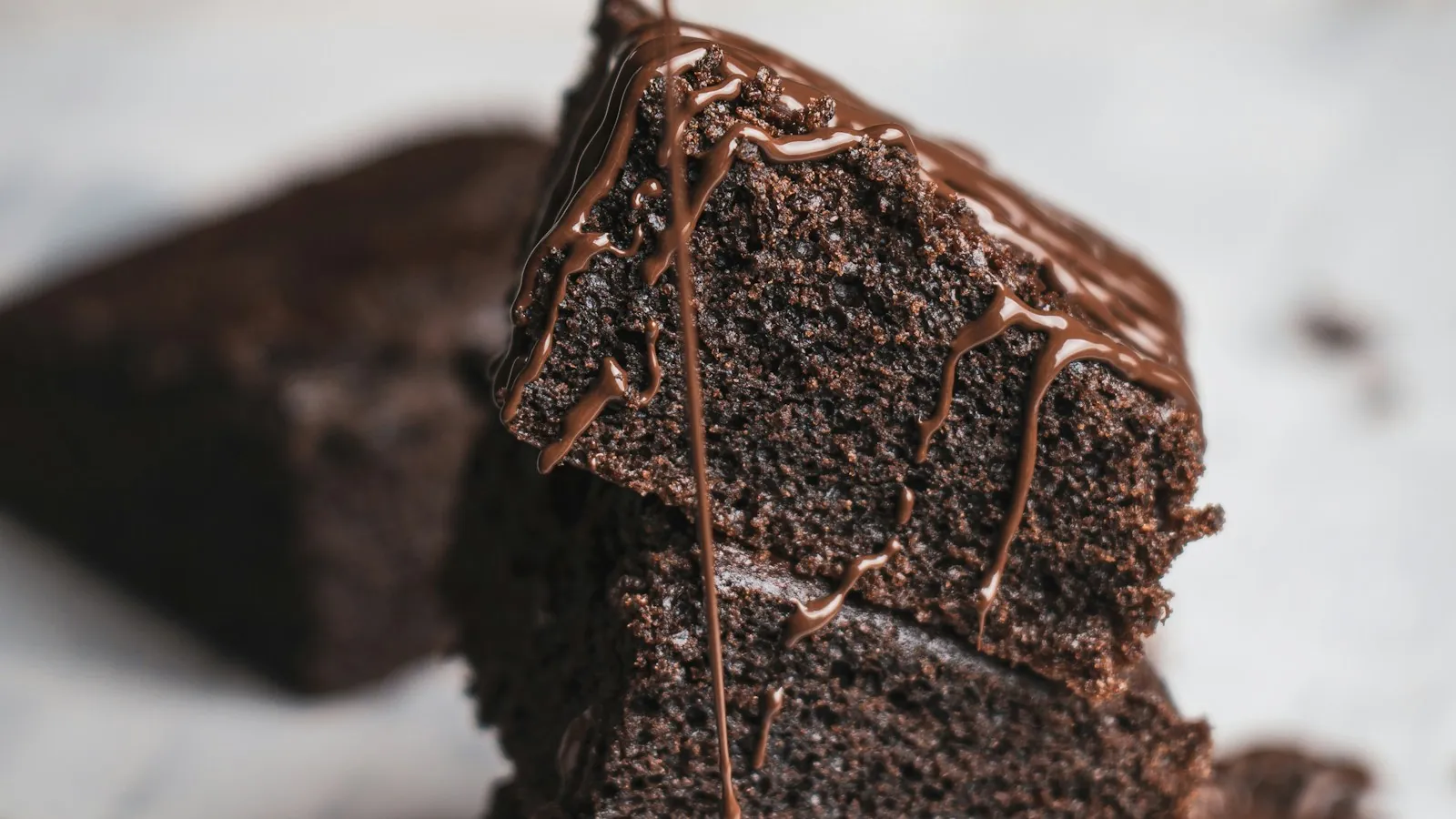
Brownies might be the best match of all. Coconut oil firms as the pan cools, which gives brownies a fudgy, dense chew and clean edges when you cut them. Many people prefer the texture.
If your brownie recipe has you melt chocolate with the oil, clumping is less of a worry. Warm melted chocolate keeps the coconut oil liquid, so lumps rarely form. Unrefined coconut oil and dark chocolate go well together if you don't mind a faint coconut note. Let the pan cool fully before slicing for the neatest squares. If you're out of eggs too, 1/4 cup of Greek yogurt per egg is one of the egg swaps for brownie mix that keeps them fudgy.
Can you use solid coconut oil without melting it?
Not as a stand-in for vegetable oil. A recipe written for liquid oil expects the fat to blend smoothly into the eggs and sugar. Lumps of solid coconut oil won't do that, and you'll get an uneven bake with greasy patches.
Solid coconut oil does have its own uses. It can be creamed with sugar like shortening, and America's Test Kitchen found refined coconut oil worked in cakes and pie crust as a butter stand-in. That's a different swap, though, aimed at recipes built around solid fat. For anything that lists vegetable, canola or corn oil, melt first.
Does coconut oil change how long you bake?
Generally no. Keep the same oven temperature and timing the recipe gives. Start checking a few minutes early the first time, as you would with any change, especially if your oven runs hot. A toothpick in the center of a muffin or cake should come out clean or with a few moist crumbs, and brownies should have moist crumbs clinging rather than wet batter.
One small thing: batter made with coconut oil can start to thicken if it sits around in a cool kitchen while the oven heats. Preheat before you mix, and get the pan in the oven soon after the batter comes together.
When to skip the swap
Coconut oil is a good stand-in in most sweet bakes, but there are a few spots where vegetable oil is the better call:
- Recipes served cold. Chilled cakes, icebox desserts or anything eaten straight from the fridge can turn hard and waxy.
- Delicate, flavor-light cakes if you only have unrefined oil on hand. Chiffon or a plain vanilla cake shows coconut flavor clearly.
- Recipes with a lot of cold liquid that you can't warm, such as batters that call for ice water. The oil will set on contact no matter how carefully you whisk.
- Bakes that rely on staying soft for days, where you won't rewarm portions. Vegetable oil holds its soft texture better over time.
Quick checklist before you bake
If you want the short version to tape inside a cupboard door, here it is:
- Use the same amount of coconut oil as vegetable oil, measured after melting.
- Choose refined for a neutral taste, unrefined when coconut flavor fits.
- Warm eggs, milk and other cold ingredients to room temperature first.
- Cool the melted oil briefly before adding it to eggs.
- Bake at the same temperature and time, checking a little early.
- Store finished bakes at room temperature, and rewarm or rest chilled leftovers before eating.
Coconut oil is one of the friendliest baking substitutes for vegetable oil in sweet baking, and once you remember the temperature quirk, you can reach for it without a second thought.
 Seeing how coconut oil behaves solid and melted
Coconut oil changes from firm white solid to clear liquid around 76°F, and that shift is easier to grasp when you see it. Everyday Food shows it both ways in baking and cooking.
Pantry Hack: 3 Coconut Oil Recipes - Kitchen Conundrums with Thomas Joseph
By Everyday Food on YouTube. Their method may vary a little from ours. Watch on YouTube
- Compare the jar of solid oil with the melted version, since you measure the coconut oil after it is liquid.
- Look for how gently the oil is melted, because it should be just liquid and not hot enough to scramble eggs.
- Notice what happens when oil meets other ingredients, then compare it with the clumping risk when cold eggs or milk are used.


