 Substitutes
What Breadcrumb Substitute Holds Meatballs and Meatloaf Together?
 By the CookClear writers
Checked against test kitchen and baking science sources
 Clear Answer
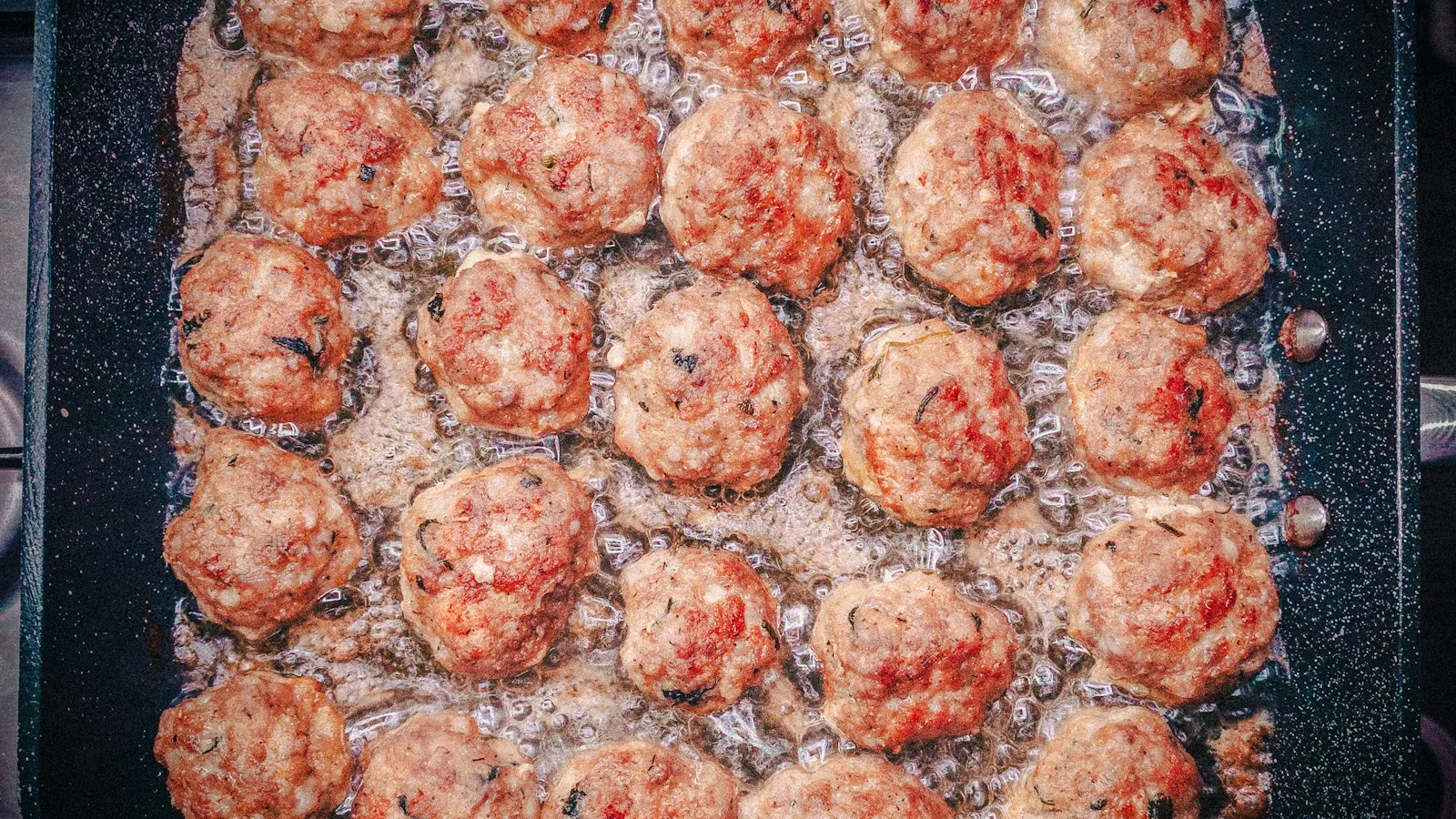
Quick or rolled oats are the most reliable breadcrumb substitute for meatballs, though crushed crackers, milk-soaked bread, or panko work too. Use roughly 1/4 to 1/2 cup of the dry substitute per pound of meat, moistened with a little milk and rested a few minutes. The egg and starch together hold the mix, so the starch needn't come from breadcrumbs.
What breadcrumbs are really doing in the mix
Breadcrumbs are less glue than sponge. They soak up milk, egg, and the juices the meat releases as it cooks, then hold that moisture inside the meatball instead of letting it run into the pan. The swollen starch also gets between the strands of meat protein so they can't tighten into a dense, springy puck.
 On the menu11 questions
That means any dry, starchy ingredient that can absorb liquid can stand in. Ask what job the original does before choosing any ingredient substitute. The egg handles most of the actual binding. When you pick a replacement, you are choosing how much liquid it drinks, how fast it softens, and what flavor it brings.
The best swaps, ranked by how well they work
These are the options most kitchens already have, starting with the closest match to plain breadcrumbs.
- Fresh or stale bread, soaked. A torn slice of sandwich bread soaked in milk is the classic Italian panade and arguably better than dry crumbs. Mash it to a paste before adding the meat. This is a good use for bread that's gone stale on the counter.
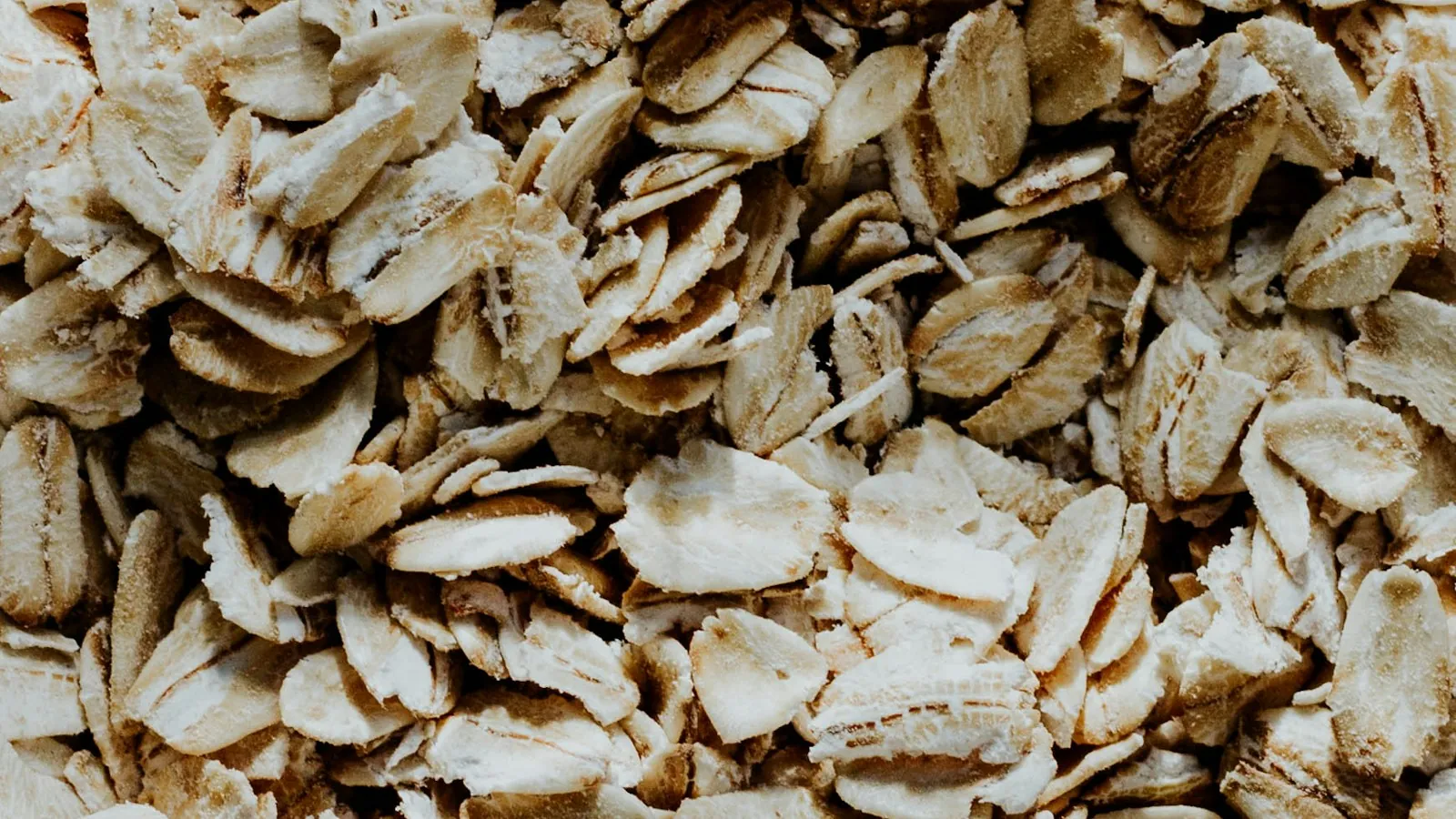
- Oats. Quick oats are the easiest straight swap. Old-fashioned rolled oats work too but leave visible flakes unless you pulse them in a blender first.
- Crushed crackers. Saltines, butter crackers, or plain water crackers all work. They soak up liquid fast and bring their own salt.
- Panko. It's still breadcrumbs, just lighter. If panko is what you have, you need more of it by volume.
- Crushed plain chips or unsweetened cereal. Cornflakes, plain corn or rice cereal, or kettle chips crushed fine. Expect more salt and a slightly firmer texture.
- Cooked rice or mashed potato. These add bulk and moisture rather than absorbing it, so they work best in meatloaf, where a looser texture is fine. Leftover rice is ideal here, and frozen cooked rice thaws fine for it.
Steel-cut oats are the one pantry starch to avoid unless they are the quick-cooking kind. Regular steel-cut oats may not soften enough in the time the meat cooks, and you get a gritty bite.
How much to use per pound of meat
A common starting point is about 1/4 cup of dry breadcrumbs per pound of meat for a firmer, sliceable texture and about 1/2 cup for a very tender one. Most cooks land around 1/3 cup with one egg per pound. Because substitutes weigh different amounts per cup, the volume shifts a little. A 20-ounce package is 1 1/4 pounds, since 16 ounces make a pound, so add a little more.
| Substitute | Weight per cup (approx.) | Amount per pound of meat | Notes |
|---|---|---|---|
| Plain dry breadcrumbs | 105 g | 1/3 cup | The baseline |
| Panko | 60 g | about 1/2 to 2/3 cup | Lighter, so use more volume |
| Crushed crackers | 85 g (about 28 saltines) | about 1/3 to 1/2 cup (roughly 9 to 14 saltines) | Cut back on added salt |
| Quick oats | 80 g | 1/4 to 1/2 cup | Start low, add if the mix is wet |
| Old-fashioned oats | about the same | 1/4 to 1/2 cup | Pulse first or soak longer |
| Soaked bread | n/a | 1 slice | Tear, soak, mash to paste |
The weights come from a published meatball calculator and the oat range from Chowhound's testing, so treat these as starting points rather than strict ratios. Your meat's fat content and how wet your add-ins are (grated onion, sauce, cheese) change the math.
A good test is to squeeze a spoonful of the mixed meat in your palm. It should hold a ball and feel soft and a little tacky, not wet enough to slump or so dry it cracks at the edges.
Getting the liquid right
Dry substitutes need something to drink before they hit the meat. Start with about 3 tablespoons of milk per pound of meat for dry crumbs, crackers, or quick oats, then add a spoonful more if the soaked mixture still looks dry and sandy. Recipes vary widely here, so judge by texture: the crumbs should be moist but not swimming.
Oats need the most patience. Chowhound recommends soaking quick oats in the egg and milk for about 5 minutes and old-fashioned oats for closer to an hour, then resting the finished mix around 15 minutes before cooking. Skip that soak and the oats keep pulling moisture out of the meat as it cooks, and the meatballs dry out.
Crackers and panko soften in a few minutes. Soaked bread is ready as soon as it mashes smoothly.
Here's the order that works for nearly every substitute:
- Whisk the egg and milk in your mixing bowl.
- Stir in the dry substitute and let it soak (a few minutes for crackers or panko, longer for oats).
- Add the seasonings (dried herbs work, at about one third the fresh amount), grated onion, garlic, and cheese, and stir to a loose paste.
- Add the meat and mix with your hands just until everything is evenly distributed.
- Rest the mix in the fridge while you heat the oven or pan, then shape.
Mixing the starch and liquid first means it's fully hydrated before it meets the meat, and that does more for texture than which substitute you pick.
Do oats or crackers change the taste?
A little, and mostly in ways you can work with. Oats are the most neutral, and many people who use oats instead of breadcrumbs find they make juicier meatballs, since oats hold more liquid. In a tomato sauce or a well-seasoned meatloaf, nobody will notice them.
Crackers and chips bring salt and, with butter crackers, a slightly rich, toasty note. Cut the salt in the recipe by about a third if you're using them, then fry a small test patty and taste before shaping the whole batch.
Cornflakes and other cereals add a faint sweetness and toasted corn flavor. That suits a glazed meatloaf well and is a little odd in Italian-style meatballs.
Can you make meatballs without a binder?
Yes, especially for meatloaf or meatballs that will simmer in sauce. Meat and egg alone will hold together, since the salt in the mix draws out sticky proteins that act as glue once you work it.
The tradeoff is texture. Without a starch to hold moisture and keep the proteins apart, the result is firmer and closer to a grilled burger, and more juice ends up in the pan. Ground beef with some fat (80/20 rather than 93/7) handles a binderless mix far better than lean meat or ground turkey.
If you go this way, chill the shaped meatballs for 20 to 30 minutes before cooking so they keep their shape, and handle the mix gently. Overworking meat with no starch in it gives you tight, rubbery results.
Low-carb and gluten-free meatball binders
If you're out of breadcrumbs because you don't keep them, a few non-bread ingredients work well.
- Grated Parmesan. Finely grated cheese absorbs some fat and adds savory flavor. Use about 1/4 cup per pound alongside the egg. It's salty, so adjust.
- Almond flour. Use a little less than you would breadcrumbs, since it doesn't swell as much. Good in meatballs, slightly dense in meatloaf.
- Crushed pork rinds. A common keto swap that browns well. Very salty.
- Certified gluten-free oats. Regular oats are often processed alongside wheat, so if you're cooking for someone with celiac disease, buy oats labeled gluten-free.
- Gluten-free crackers or gluten-free panko. Use them like the regular versions.
Cooked quinoa and finely grated zucchini also show up in a lot of recipes. Zucchini adds water rather than soaking it up, so squeeze it hard in a towel and pair it with one of the dry options.
Meatloaf vs. meatballs: does the swap matter?
Meatloaf is more forgiving. It's baked in one mass, often in a pan that supports its sides, so a slightly wet mix still holds. Rice, mashed potato, and soaked bread all do well here because a softer, more tender slice is usually the goal.
Meatballs have to hold a round shape and survive browning or simmering, so a wet mix can flatten or fall apart. Stick to the drier, more absorbent options for meatballs: oats, crackers, panko, or soaked bread mashed fully smooth. If your meatballs are falling apart in sauce, brown them first or bake them until firm before they go in.
For a sliceable meatloaf, aim for the lower end of the range, about 1/4 cup of dry substitute per pound. For tender meatballs that will simmer, go toward 1/2 cup.
How to tell meatballs are cooked through
The substitute doesn't change food safety at all. USDA's safe minimum internal temperature is 160°F for ground beef, pork, veal, and lamb, and 165°F for ground chicken or turkey. If you're mixing beef and turkey, cook to 165°F.
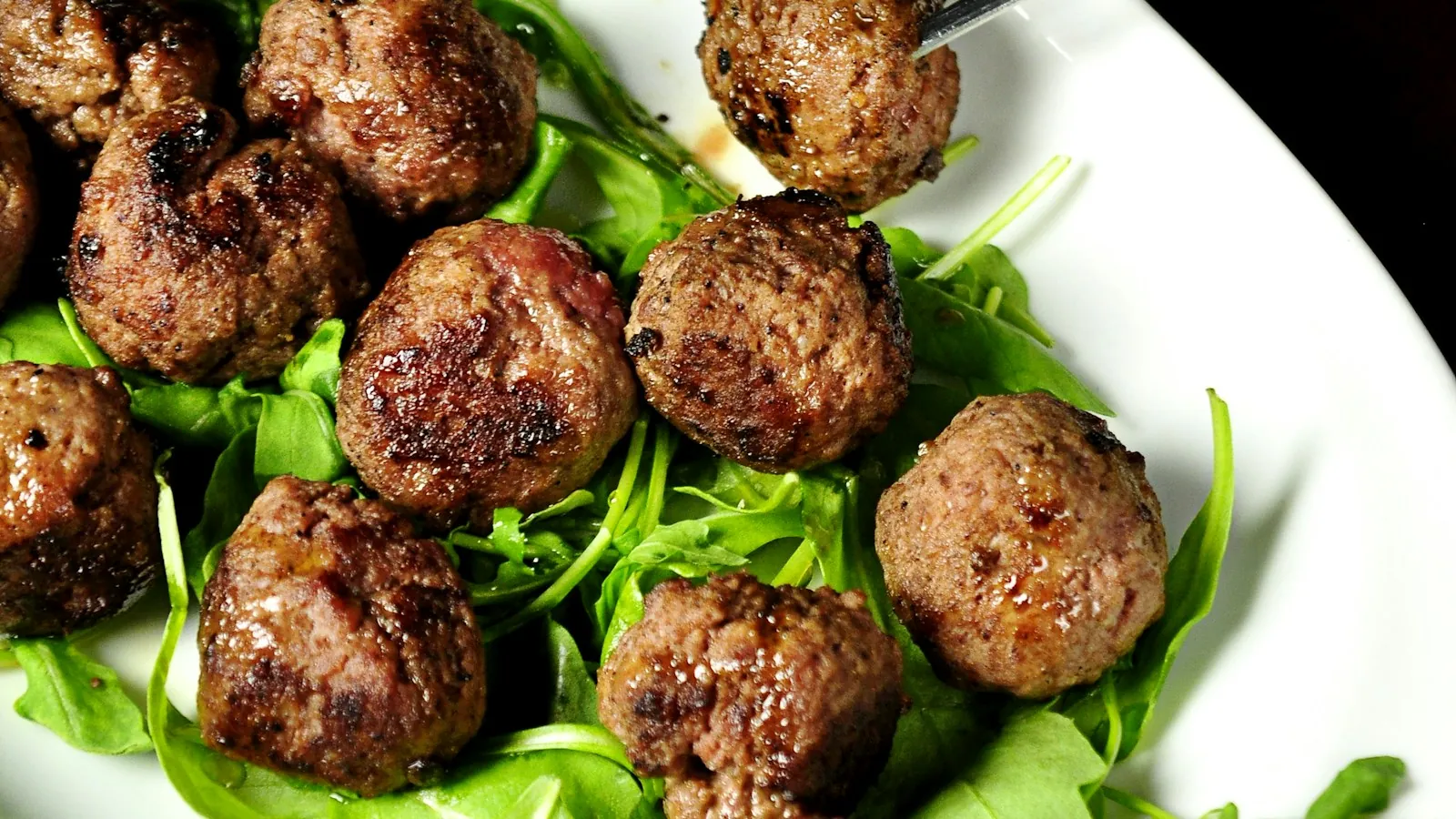
Check the center of the largest meatball or the middle of the loaf with an instant-read thermometer. Color is not a reliable test with ground meat, since some meat browns before it's safe and some stays pink after it is.
Reheat leftovers to 165°F as well, and refrigerate them promptly once they're done.
Why did my meatballs turn out wrong?
| What you see | Likely cause | Fix |
|---|---|---|
| Mix too wet to shape | Not enough absorbent | Add more of your dry substitute a tablespoon at a time and rest the mix 10 minutes |
| Mix cracks when you roll it | Too dry | Add a splash of milk, or another egg if you're working with 2 pounds or more |
| Dense, springy meatballs | Too much mixing or too little starch | Use a bit more binder next time and mix just until combined |
| Meatballs taste too salty | Crackers, chips, cheese, or pork rinds in the mix | Cut the added salt |
| Gritty bits | Oats not soaked long enough, or steel-cut oats | Soak the oats longer and use rolled oats |
 How a meatball mix should feel in your hands
Whether a binder mix is too wet or too dry is a call you make by feel, and that is hard to learn from text. Watching the mixing and shaping helps you spot the right texture.
Chris Makes Meatballs | From the Home Kitchen
By Bon Appétit on YouTube. Their method may vary a little from ours. Watch on YouTube
- Compare how wet the mix looks with the advice to add dry substitute a tablespoon at a time if it is too loose.
- Notice how lightly the meat is mixed, since the fix list above blames overmixing for dense, springy meatballs.
- Look at how the meatballs hold their shape when rolled and whether any cracks show up in the surface.


