Substitutes
Which Lemon Juice Substitute Works for Cooking, Baking and Dressings?
 By the CookClear writers
Checked against test kitchen and baking science sources
 Clear Answer
Lime juice is the best stand-in: swap it 1:1 and almost nobody will notice in a dressing, marinade, or sauce. Bottled lemon juice also works 1:1. If you have neither, use white wine vinegar or cider vinegar at about half the amount and taste, or dissolve 1/4 teaspoon of citric acid in a tablespoon of water for every tablespoon of lemon juice.
The right pick depends on what the lemon was doing in the recipe. Sometimes it's there for sourness, sometimes for flavor, and sometimes for a chemical job like setting a curd or keeping canned food safe. Figure out which, and the choice gets easy.
Which swap fits which recipe?
Amounts are per 1 tablespoon of lemon juice the recipe calls for.
| Substitute | Amount per 1 tbsp lemon juice | Flavor | Best for | Skip it for |
|---|---|---|---|---|
| Lime juice | 1 tbsp | Sour, slightly more floral and bitter | Dressings, marinades, fish, guacamole, drinks | Recipes where lemon is the star (lemon bars, lemon curd) |
| Bottled lemon juice | 1 tbsp | Sour, a little flat, sometimes a cooked note | Almost anything, plus canning | Raw lemonade or a finishing squeeze, where fresh tastes clearly better |
| White wine vinegar | About 1/2 tbsp, then taste | Clean, sharp, no fruit | Vinaigrettes, pan sauces, slaws, pickled onions | Desserts, drinks |
| Apple cider vinegar | About 1/2 tbsp, then taste | Mildly fruity, softer | Slaws, barbecue sauces, grain salads | Delicate fish, desserts |
| Citric acid | 1/4 tsp dissolved in 1 tbsp water | Pure sourness, no lemon flavor | Canning, candy, jam, anything needing acid without liquid | Recipes where you want lemon taste |
| Orange juice | 1 to 2 tbsp | Sweet, mild acid | Glazes, sweet marinades, fruit salad | Anything that needs real tartness |
| Dry white wine | 1 tbsp | Gentle acid, savory depth | Pan sauces, risotto, steamed mussels | Raw dishes, desserts |
The vinegar amounts are only a starting point. Vinegars vary in strength and their flavor reads harsher than lemon at the same sourness, so start low and add a few drops at a time.
Why lime is the closest match
Lemons and limes sit in nearly the same acidity range. Fresh lemon juice runs about pH 2.0 to 2.6, and fresh lime juice about 2.0 to 2.35, so using lime juice instead of lemon juice brings roughly the same sourness, tablespoon for tablespoon.
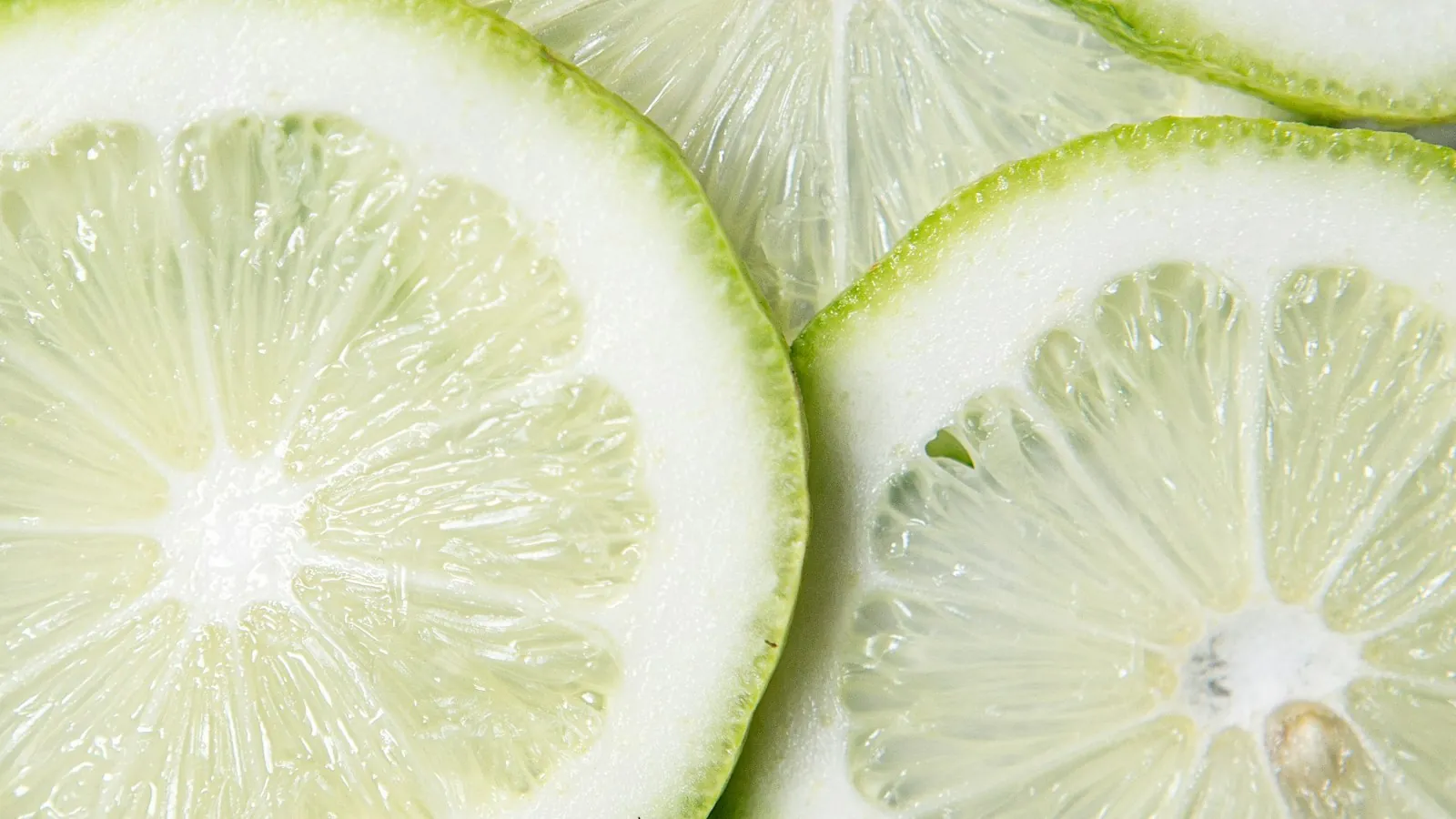
What changes is the aroma. Lime is a little more floral and can carry a faint bitterness, which is why it's perfect in a taco marinade and slightly off in a lemon pound cake. In anything savory, swap freely. In a dessert where lemon is the whole point, lime will make a good dessert, just a different one.
If a recipe says "juice of 1 lemon," plan on about 2 to 3 tablespoons. Limes are usually smaller and give less juice, so you may need two limes to replace one lemon. A squeeze of lime also brightens a ripe honeydew or a ripe mango that tastes a little flat.
Is bottled lemon juice good enough?
For most cooking, yes. America's Test Kitchen tasted several bottled brands and found that bottled juice works well when a recipe only needs a small amount, like a splash in a dressing or sauce. Fresh lemons still win when juice is the main flavor, as in lemonade or a lemon posset.
Bottled juice tastes a little duller because it's pasteurized, and some brands add preservatives or lemon oil. In their testing, brands with the shortest ingredient list tasted brightest. Once opened, keep it in the fridge.
There's one place bottled juice is better than fresh: home canning.
Using vinegar without making the dish taste like pickles
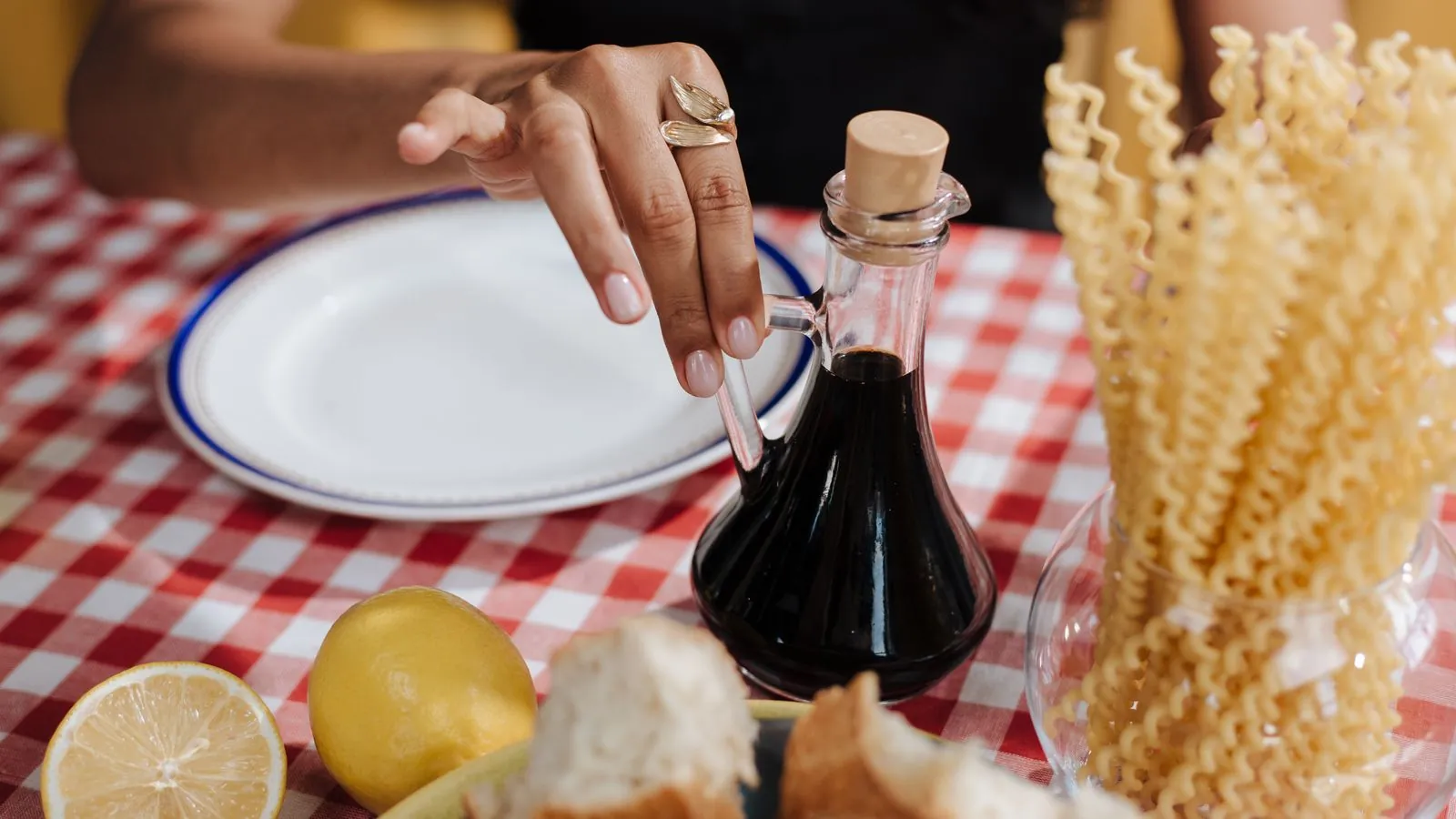
Vinegar is the swap most people have on hand, and it works well in savory food if you treat it with a light touch. White distilled vinegar falls in about the same pH range as lemon juice (roughly 2.4 to 3.4), but it has no fruitiness to round off the sharp edge. That's why the same amount tastes harsher.
A few habits help:
- Pick a mild vinegar. White wine, champagne, rice, and cider vinegars are softer than plain distilled white. Rice vinegar is the gentlest of the group.
- Use half, then taste. Add about half the lemon juice amount, stir, taste, and add more by the 1/4 teaspoon.
- Add a pinch of sugar or a little zest from any citrus you do have. Even an orange peel gives back some of the fruity aroma that vinegar lacks.
- Add it near the end of cooking. Vinegar's bite mellows with heat, but so does any brightness you were hoping for. A last-minute splash in a soup or sauce reads closest to lemon.
Plain distilled white vinegar is fine for cleaning, like scrubbing a burnt pot, and for pickling, but it's the last one to reach for in a delicate dish like a fish sauce or a fruit salad.
What about citric acid?
Citric acid is the main acid in lemons, sold as a fine white powder in the canning aisle. It gives you sourness with no lemon flavor and no extra liquid, which makes it handy in candy, jam, and dry rubs.
The standard conversion from home canning sources is 1/4 teaspoon of citric acid for every 1 tablespoon of bottled lemon juice. Dissolve it in a tablespoon of water if you need the liquid. Measure carefully, since a little goes a long way and too much tastes sharp and almost metallic.
If you have powdered "lemon juice" or crystallized lemon packets, they'll work in a pinch. America's Test Kitchen found powders the weakest option in their tasting, with off flavors and a gritty texture, so use them in cooked dishes rather than drinks or raw sauces.
When lemon is doing a chemical job
Some recipes need lemon for more than taste. A careless swap here can make the recipe fail outright.
Baking with baking soda
Quick breads, muffins, and some cakes use lemon juice as the acid that reacts with baking soda to make the batter rise. Any acid of similar strength does the same job, so lime juice or a mild vinegar works at the same amount. You lose a bit of lemon flavor, which you can bring back with zest if you have a lemon that's already been juiced.
If the lemon is there to sour milk, vinegar works just as well for replacing buttermilk with regular milk.
Lemon curd, lemon bars, and cheesecakes
Acid helps eggs and dairy set in these desserts, and lime juice is the only swap that keeps both the set and the character. Key lime curd and lime bars are their own well-loved desserts, after all. Vinegar is not a good idea here because you'd need a lot of it.
Keeping cut fruit and vegetables from browning
Lemon slows browning on apples, pears, and avocados because acid slows the enzyme that turns cut surfaces brown. Lime juice does the same job, and a little pineapple or orange juice helps on fruit salad. Citric acid dissolved in water works too. With avocados, acid helps, but keeping a cut avocado green comes down mostly to blocking air.
Can you swap lemon juice when canning?
Only with the acids canning authorities have tested, and only in the listed amounts. Tomatoes sit right on the line between high-acid and low-acid foods, so tested recipes add acid to every jar to keep them safe in a water-bath canner. Guessing here is a food-safety risk.
Colorado State University Extension lists these amounts for canned tomatoes:
- Bottled lemon juice: 1 tablespoon per pint, 2 tablespoons per quart.
- Citric acid: 1/4 teaspoon per pint, 1/2 teaspoon per quart.
- Vinegar (5% acidity): 2 tablespoons per pint, 4 tablespoons per quart.
Put the acid into the empty jar before you fill it. If vinegar makes the tomatoes taste too sour, CSU says you can add up to 1 teaspoon of sugar per pint (2 per quart) to balance it.
Use bottled lemon juice, not fresh, for canning. Fresh lemons vary in acidity depending on the variety, the growing season, and how long they were stored, and the University of Georgia's canning center states that fresh lemon juice is not recommended for this reason. Bottled juice is made to a standard acidity, which is what a canning recipe is counting on. Meyer lemons are noticeably less acidic than regular lemons, so they're another reason fresh juice is a gamble in jars.
Don't use lime juice, orange juice, or homemade vinegar in a canning recipe unless that recipe calls for it by name.
Swaps that only sort of work
A few things get suggested online that are worth knowing about.
- Orange juice. It's much less acidic than lemon (fresh oranges land around pH 3.3 to 4.3), so it adds fruitiness but not much pucker. Good in a sweet glaze or fruit salad. In a vinaigrette, mix it with a little vinegar to bring back the tang.
- Dry white wine. Fine in pan sauces, risotto, and steamed shellfish where lemon was only there to brighten. Cook it for a minute so the raw alcohol taste fades. If you're short on wine too, cooking wine swaps can fill that gap.
- Cream of tartar. It's an acid and helps stabilize whipped egg whites the way a few drops of lemon juice would, but it adds no flavor and won't work as a liquid swap in a sauce.
- Sumac. This tart, red, ground spice from Middle Eastern cooking gives a lemony sourness to salads, grilled meat, and roasted vegetables. Sprinkle it on at the end. It won't help in anything that needs liquid acid.
- Leaving it out. If the lemon is just a final squeeze over finished food, the dish will be fine without it. Taste it, and if it feels flat, a pinch of salt or a few drops of any vinegar will wake it up.
A few tips for next time
Lemons keep longer than most people think if you store them well. A lemon left loose on the counter dries out fairly quickly, while one sealed in a zip-top bag in the crisper drawer stays juicy much longer.
If you often find yourself out, juice a few lemons when they're on sale and freeze the juice in an ice cube tray. Trays vary, so measure what one cube of yours holds once and you'll always know how many cubes to grab. Zest the lemons before juicing and freeze the zest too, the same trick that works for bananas headed for baking.
And keep a small bottle of lemon juice in the fridge door as backup. It's not as bright as fresh, but for a weeknight marinade or dressing, it does the job. For other pantry gaps, a few ingredient substitutes are worth memorizing.
 How to squeeze a lone lime to stand in for lemon
If lime is your stand-in, a small fruit has to give up every spoonful, and technique is easier to copy than to read. CSU Extension demonstrates getting the most juice from a lemon or lime.
How to Juice a Lemon or Lime
By CSUExtension on YouTube. Their method may vary a little from ours. Watch on YouTube
- Notice the steps taken before cutting, since a recipe calling for juice of 1 lemon needs about 2 to 3 tablespoons.
- Watch how much juice a single fruit gives, then judge whether you will need two limes to cover one lemon.
- Compare the amount of juice collected with your recipe, remembering that lime swaps 1:1 for lemon in savory dishes.