Substitutes
When a Recipe Calls for Fresh Herbs, How Much Dried Do You Use Instead?
 By the CookClear writers
Checked against test kitchen and baking science sources

 Clear Answer
Use one-third as much: 1 teaspoon of crushed dried herb replaces 1 tablespoon of chopped fresh. If all you have is the ground, powdery kind, drop to about 1/4 teaspoon. That swap works well for hardy herbs like thyme, oregano, sage and rosemary in dishes that simmer, and poorly for tender herbs like basil, parsley and cilantro.
Whether the swap tastes right also depends on which herb it is, how long the dish cooks and how old your jar is.
Where the 1-to-3 rule comes from
Drying pulls the water out of leaves, so what's left is smaller and more concentrated. A tablespoon of dried thyme holds far more leaves than a tablespoon of fresh, loosely chopped thyme. Cut the amount to a third and you land close to the same strength.
University of Florida extension material gives the same conversion: 1 teaspoon of crushed dried leaves, or 1/4 teaspoon of powdered herb, equals 3 teaspoons (1 tablespoon) of fresh. America's Test Kitchen tested the ratio with freshly bought jars and found 1 part dried to 3 parts fresh came closest to matching fresh flavor strength.
Notice that both of those assume a reasonably fresh jar. A bottle of oregano that has been open since two moves ago won't hit the same mark.
A quick dried herb conversion chart
Here are the numbers most recipes call for. All amounts are level measures, with dried meaning crumbled leaf (the usual jar), and ground meaning the fine powder.
| Recipe calls for (fresh, chopped) | Dried leaf | Dried ground |
|---|---|---|
| 1 teaspoon | 1/3 teaspoon (a generous 1/4 tsp) | a pinch |
| 1 tablespoon | 1 teaspoon | 1/4 teaspoon |
| 2 tablespoons | 2 teaspoons | 1/2 teaspoon |
| 3 tablespoons | 1 tablespoon | 3/4 teaspoon |
| 1/4 cup (4 tablespoons) | 4 teaspoons (1 tbsp + 1 tsp) | 1 teaspoon |
Sprigs are the slippery one. Recipes rarely say how big a sprig is, and a rosemary sprig carries far more leaf than a thyme sprig. Strip one, chop the leaves, see roughly how many tablespoons you'd get, and convert that.
Which herbs actually hold up when dried?
The herbs that dry well tend to be woody, tough-leaved and resinous. The ones that don't are soft and leafy.
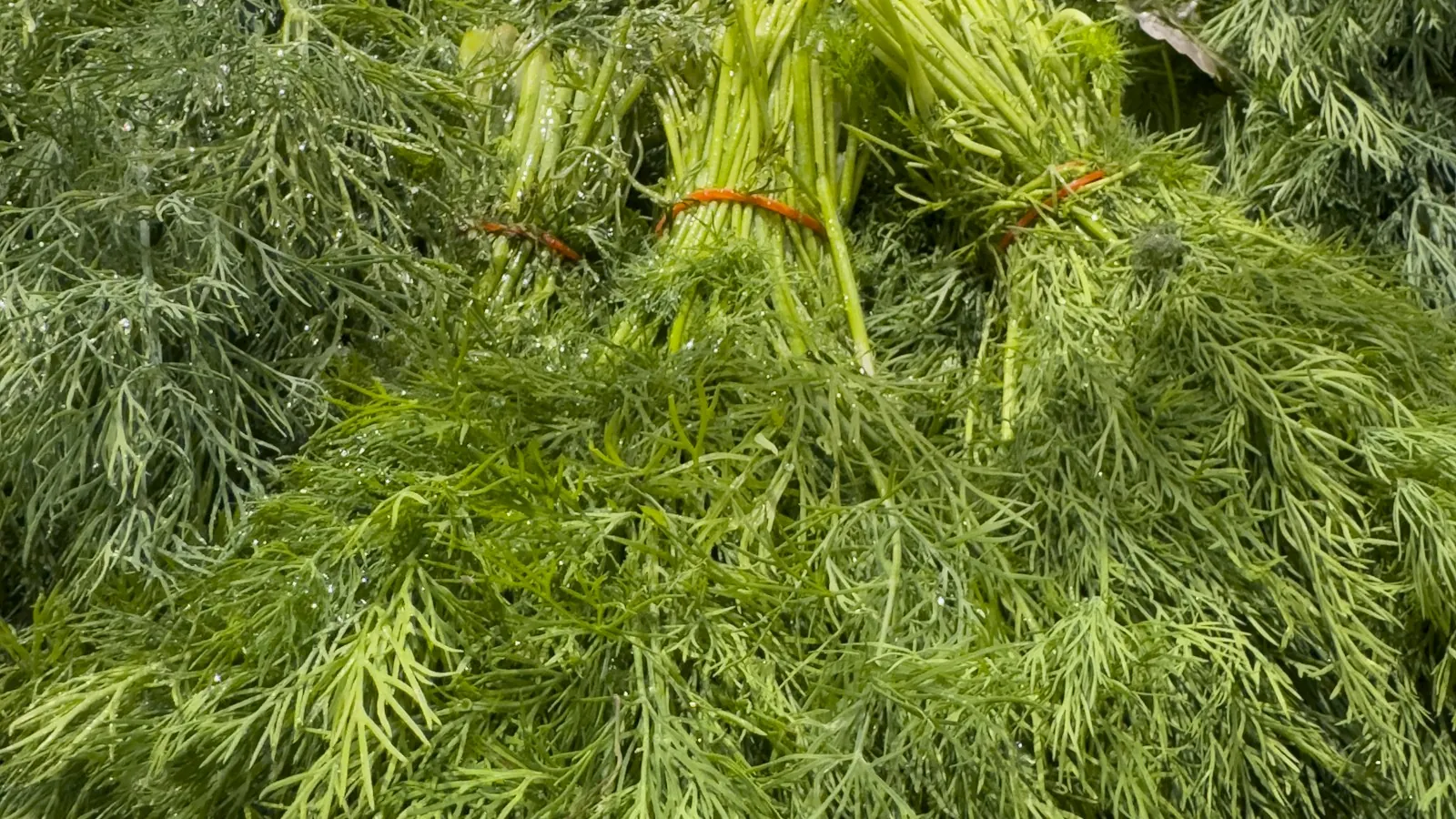
America's Test Kitchen explains the difference in terms of flavor compounds. Hardy herbs get much of their flavor from compounds that survive drying and heat. Delicate herbs rely on volatile compounds that break down during drying, which is why dried basil tastes more like hay than basil.
Good candidates for dried:
- Thyme
- Oregano (ATK tasters even preferred dried oregano in chili)
- Sage
- Rosemary
- Marjoram
Better kept fresh, or skipped:
- Basil
- Parsley
- Cilantro
- Chives
- Dill
- Mint
- Tarragon
If a recipe calls for a tender herb you don't have, you're often better off leaving it out than shaking in the dried version. A finishing handful of parsley mostly adds color and freshness, and the dried flakes won't give you either.
The dish matters as much as the herb
Dried herbs need two things to taste their best: liquid and time. Liquid rehydrates the dried leaf so it opens up and releases aroma. Time gives that flavor a chance to spread through the dish.
In ATK's testing, dried hardy herbs did reasonably well in dishes that cooked more than 20 minutes with a good amount of liquid. Think tomato sauce, chili, braises, bean soups, pot roast and stews. That's where you'll barely notice the swap.
They're a poor fit when the herb is the point of a raw or quick dish:
- Pesto, chimichurri and salsa verde
- Salads and fresh salsas
- Garnishes sprinkled on at the end
- Quick pan sauces that come together in a few minutes
In those, dried herbs taste dusty and can leave a gritty, papery texture. Pick a different recipe, or make it without the herb.
When to add dried herbs so they actually taste like something
Fresh hardy herbs and dried herbs follow different clocks.
Kentucky extension material notes that dried herbs may need to go in earlier in cooking, while most fresh herbs get added toward the end. UF's guidance on fresh herbs: tender ones like basil, cilantro and dill in the last 1 to 2 minutes, and sturdier ones like rosemary and thyme during the last 20 minutes.
A simple way to handle it at the stove:
- Add dried herbs with the liquid. When the tomatoes, broth or wine go in, the dried herbs go in too. That gives them the full simmer to rehydrate.
- For a short cook, bloom them first. If the dish only cooks 10 or 15 minutes, stir the dried herbs into the hot oil with the onions or garlic (careful, garlic burns quickly) for a few seconds, just until fragrant, before adding liquid. Fat carries a lot of herb flavor, and the brief heat wakes it up.
- Taste near the end. Once the dish has simmered a while you can judge whether it needs more. Add a pinch at a time and give each addition a few minutes before tasting again.
- Keep a little fresh for the finish if you have it. Even a small amount of fresh parsley or basil scattered on at the end makes a dried-herb dish taste brighter. So does a splash of acid.
For cold dishes like dressings, marinades and dips, dried herbs need time to soften. UF suggests adding herbs to cold dishes several hours before serving or overnight. A dressing made with dried oregano tastes noticeably better after it sits than it does five minutes after you whisk it.
Crush it before you measure
Crumbling a dried herb between your palms or fingertips right before it goes in breaks open the leaf and releases oils that have been sitting locked up in the jar. You'll smell the difference immediately.
Crush first, then measure, if you want to be precise. Crushing packs the herb down a bit, so a crushed teaspoon holds slightly more than an uncrushed one. In practice it's close enough that most cooks crush right over the pot.
Dried rosemary needles stay hard and needle-like even after simmering, which is unpleasant to bite into. Crush them well, chop them, or tie them in a bit of cheesecloth so you can pull them out.
Leaf, ground or blend: which one is in your cupboard?
Read the label, because the ratio changes.
Dried leaf (sometimes labeled "rubbed" for sage, or "whole leaf") is the coarse, flaky kind. This is what the 1 teaspoon for 1 tablespoon rule is built around.
Ground herbs are milled to a powder. There's far more herb per spoonful, so you use roughly a quarter teaspoon for each tablespoon of fresh. Ground herbs also lose their punch faster once opened, and they can turn a light sauce a little murky.
Blends like Italian seasoning or herbes de Provence are mixes of several dried herbs. If a recipe asks for "1 tablespoon fresh oregano, basil and thyme," a teaspoon of Italian seasoning is a reasonable shortcut. Check whether your blend contains salt or garlic before you season the rest of the dish.
What if the jar is old?
The 1-to-3 rule assumes a jar with plenty of aroma left. Dried herbs keep oxidizing after drying, and ATK notes even well-stored ones carry a slightly stale, dusty note. An older jar will be weaker than a new one.
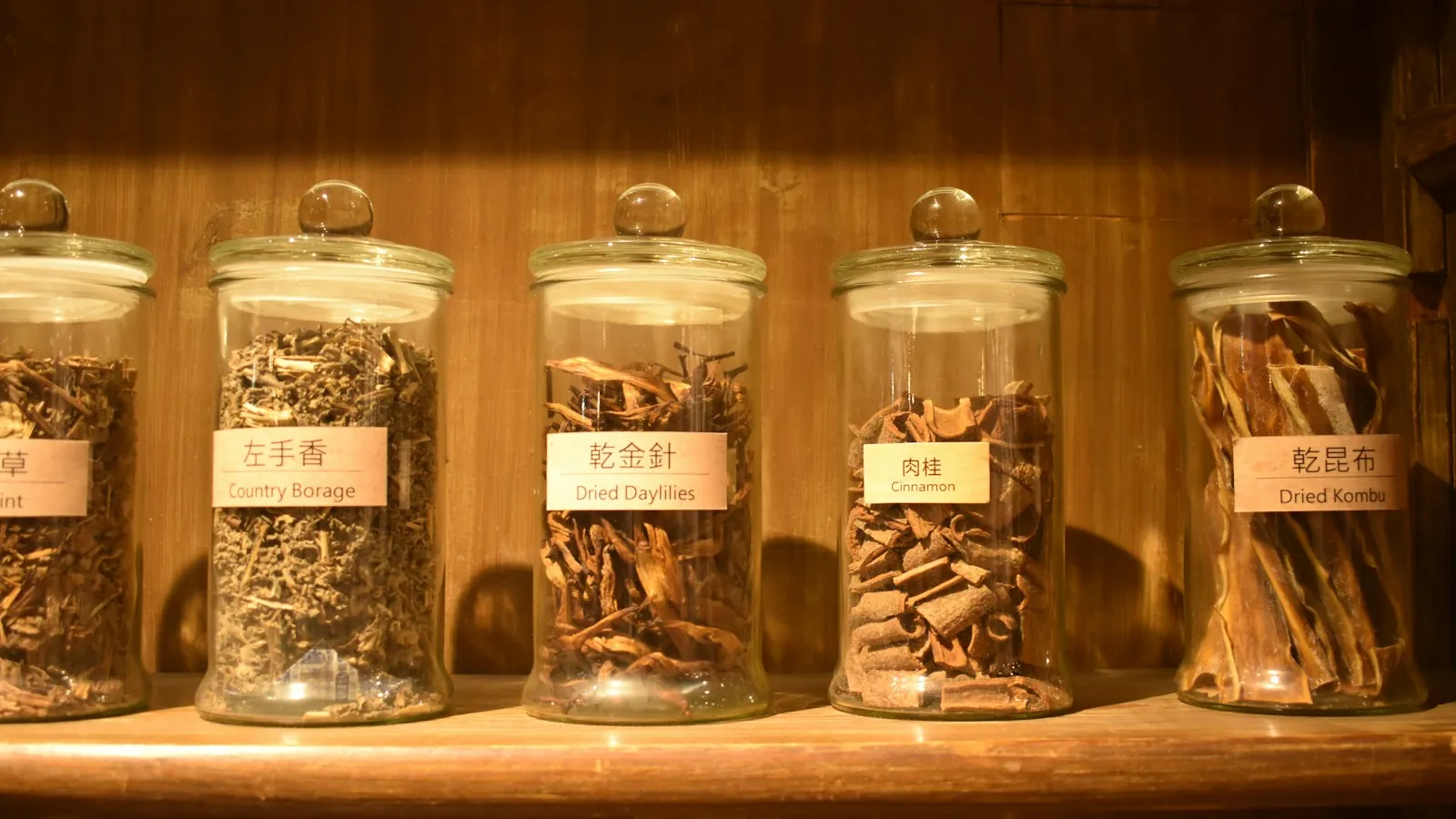
Before you measure, crumble a pinch and smell it. If the aroma is strong and clearly the herb, use the standard amount. If it's faint, add a little more than the chart says and taste as you go. If it smells like nothing or like dust, it isn't going to help, and you're better off skipping it. The same pinch test tells you when ground spices go stale, and most hold their flavor for one to four years.
Going the other way: fresh herbs for dried
Sometimes it's the reverse problem. The recipe says 1 teaspoon dried thyme and you have a bunch of fresh on hand. Flip the ratio and use 1 tablespoon of chopped fresh.
A few adjustments help:
- Strip the leaves from woody stems before chopping. Thyme and rosemary stems are tough.
- Hold back some of the fresh herb and add it in the last 20 minutes of cooking instead of at the start. Long simmering dulls fresh herbs, so splitting the addition keeps more of the flavor, whether it's a braise or a pot of chicken soup.
- For herbs that you'd rather not chop finely, like whole thyme sprigs in a braise, toss them in whole and fish out the stems before serving.
A worked example
Say a marinara recipe calls for 2 tablespoons chopped fresh oregano and 1/4 cup chopped fresh basil, and it simmers for 30 minutes. You have dried oregano, dried basil and no fresh anything.
Oregano is easy. Use 2 teaspoons dried leaf, crumbled in with the tomatoes. With a 30-minute simmer, it'll taste close to the original, maybe better.
Basil is the trouble spot. Four teaspoons of dried basil won't taste like fresh basil, and too much reads as muddy and grassy. A better move: add 1 to 2 teaspoons dried basil with the tomatoes for background flavor, then accept that the sauce will lean more toward oregano. If you can grab even a few fresh basil leaves later, tear them in right before serving.
In general, do the straight conversion for hardy herbs in long-cooked dishes, go lighter with tender dried herbs, and taste before adding more. It's always easier to add another pinch than to fix a sauce that tastes like a dried herb. Taste-first is a good habit for any ingredient swap.
 How to tell when dried herbs will work
Dried and fresh herbs differ in a way that is easier to see and smell than to read about, from leaf size to how much a spoonful really holds. Food Network gives a cook's view of when each form earns its place.
When to Use Dry Herbs vs. Fresh Herbs w/ Michael Symon | Symon's Dinners Cooking Out
By Food Network on YouTube. Their method may vary a little from ours. Watch on YouTube
- Compare the volume of fresh chopped leaves with the dried amount to see why 1 teaspoon stands in for 1 tablespoon.
- Listen for which herbs are kept dry and which stay fresh, and check them against the hardy and delicate lists above.
- Notice at what point in cooking each form goes into the pot, since dried herbs need time in the heat.