 Cooking Times
Can Rice That's Still Crunchy Be Saved Once the Water Is Gone?
 By the CookClear writers
Checked against USDA safe temperatures and test kitchen timing
 Clear Answer
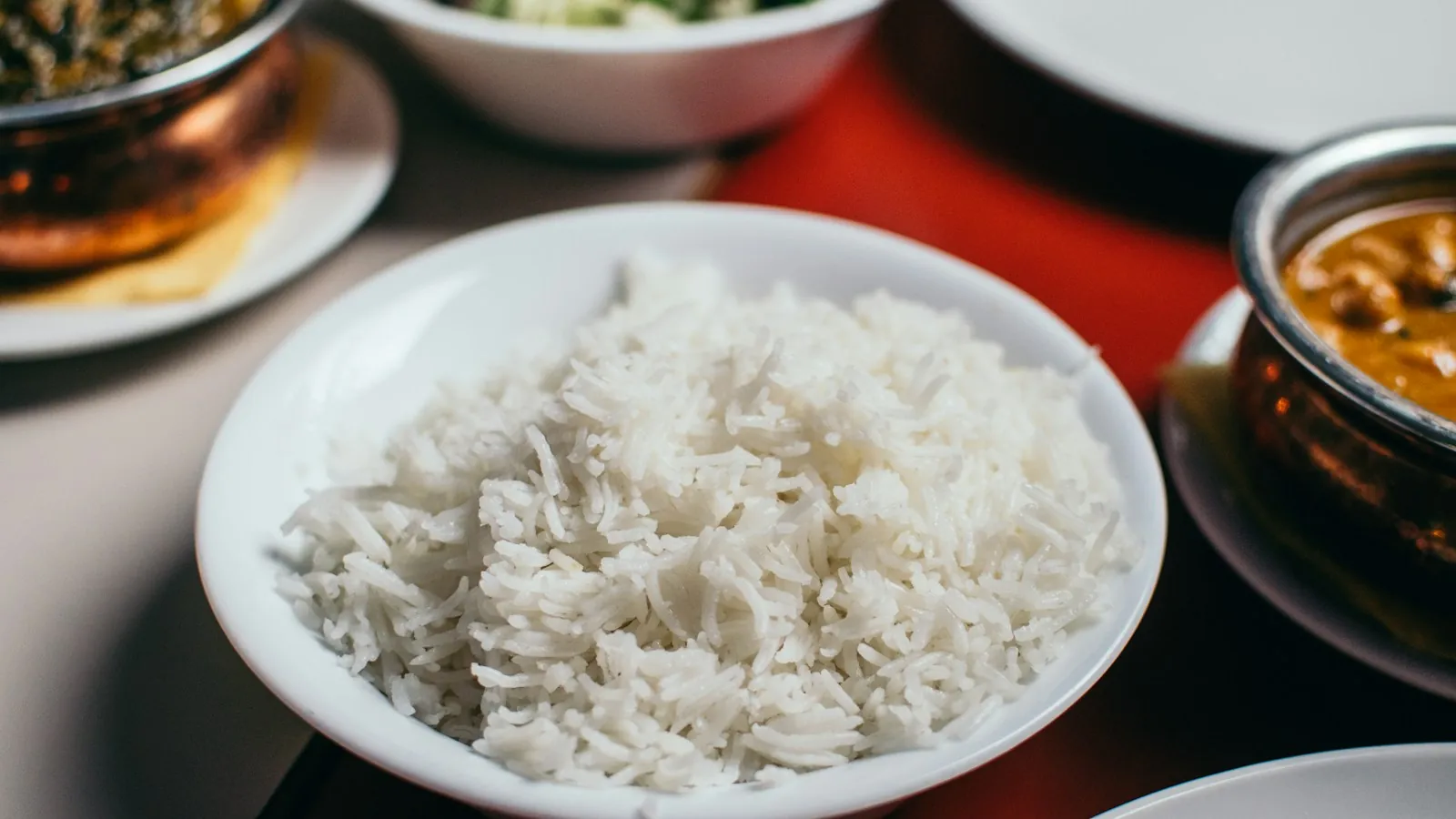
Yes, rice that's still crunchy can almost always be saved. Add about 2 to 4 tablespoons of water per cup of dry rice, put the lid back on, and steam it on the lowest heat for 5 to 10 minutes. Then let it sit off the heat, covered, for another 10 so the centers of the grains finish softening.
The only rice you can't fully rescue is rice that's both crunchy and scorched on the bottom. Even then, the top layer usually comes back fine if you leave the burnt part behind.
What actually happened inside the pot
Rice cooks in two stages. First the grains absorb water and swell. Then the starch inside gelatinizes, which happens somewhere around 150 to 170°F depending on the variety, and the grain turns tender. Both stages need water and time together.
 On the menu10 questions
When the water runs out early, the outside of each grain softens while the core stays hard and chalky. You'll usually see a ring of firm, slightly translucent grains on top and a softer layer near the bottom, where the last bit of water collected.
The most common reasons rice ends up crunchy
Most crunchy rice comes down to one of these, and often two at once:
- The heat was too high. A hard boil after the first minute or two drives water off as steam faster than the rice can drink it. After it comes to a boil, rice wants the lowest flame your stove makes.
- The lid leaked or got lifted. Every peek lets out a puff of steam and drops the temperature. A loose lid on a cheap pot can lose a surprising amount of water over 18 minutes.
- The pot was too wide. A wide skillet or Dutch oven has more surface area, so more water evaporates. A 2-quart saucepan is right for 1 to 2 cups of rice.
- The ratio was off for that rice. Brown rice needs a lot more water than white, and jasmine needs less than long-grain. Using one ratio for everything is a frequent culprit.
- You skipped the rest. The 10 minutes off the heat with the lid on is part of the cooking. Rice that tastes slightly firm at the end of simmering usually finishes softening during the rest.
- Something acidic or salty went in early. Tomatoes, lime juice, or a lot of salt can slow how fast grains soften. This is why Spanish rice and jollof sometimes stay firm longer than plain rice.
- You're at altitude. Water boils at a lower temperature up high (about 203°F at 5,000 feet instead of 212°F, which also changes soft-boiled egg timing), so starch takes longer to soften while evaporation continues.
How to rescue crunchy rice on the stove
This works for white, jasmine, basmati, and brown rice. These amounts are per cup of dry rice you started with.
- Taste first. If the grains are just a little firm in the very center, skip to step 5 and let the rest do the work. If they're hard or chalky, keep going.
- Check the bottom. Tilt the pot and look. If there's a dark, burnt layer, spoon the good rice into a clean pot and leave the scorched part behind. Burnt flavor spreads if you stir it in.
- Add water. Sprinkle 2 tablespoons of water over the top for slightly firm rice, or up to 1/4 cup for rice that's really crunchy. Don't stir much; a gentle fluff with a fork is enough.
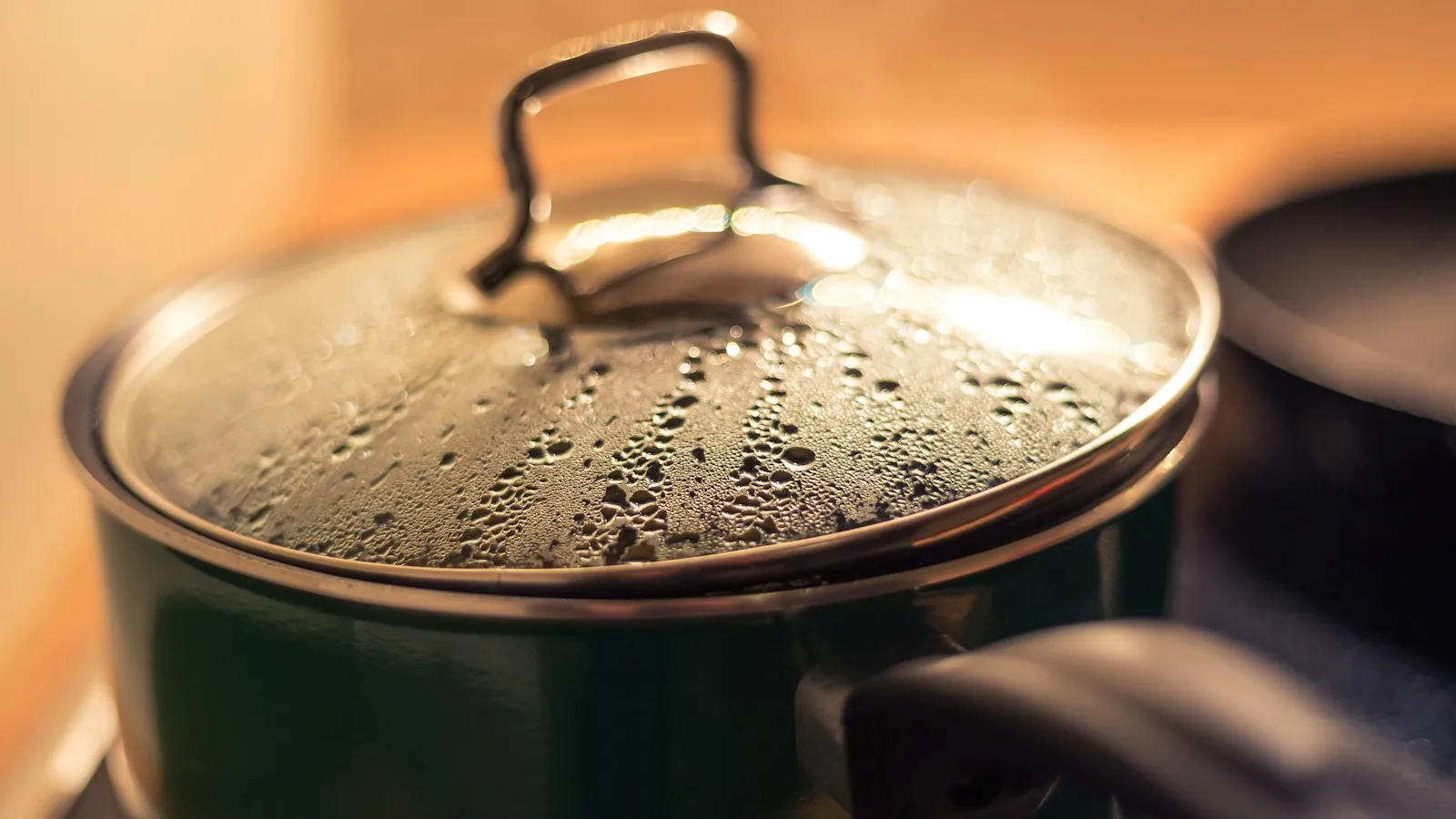
- Cover tight and steam. Put the lid on and set the burner to its lowest setting for 5 to 10 minutes. If your lid isn't snug, lay a clean kitchen towel or a sheet of foil under it to seal it.
- Rest off the heat. Turn off the burner and leave the lid on for 10 minutes.
- Repeat once if needed. Brown and wild rice sometimes need a second round with another tablespoon or two of water.
Resist adding a full cup of water at once. That turns the bottom into mush while the top stays crunchy.
Other ways to fix it: microwave, oven, or rice cooker
The stovetop method is the most reliable, but these work when the pot is already washed or you're dealing with a big batch.
| Method | How much water | Time | Best for |
|---|---|---|---|
| Stovetop, covered, low heat | 2 to 4 tbsp per cup of dry rice | 5 to 10 min, plus 10 min rest | Any amount, any rice |
| Microwave, covered bowl | 1 to 2 tbsp per cup of cooked rice | 1 to 2 min, then 2 min covered rest | Small portions, single servings |
| Oven, foil-covered dish at 350°F | 2 to 4 tbsp per cup of dry rice | 10 to 15 min | Large batches, sheet-pan or casserole quantities |
| Rice cooker, "keep warm" or "cook" | 2 to 4 tbsp per cup of dry rice | 10 to 15 min | Rice already in the cooker |
To fix crunchy rice in the microwave, use a damp paper towel or a microwave-safe plate on top of the bowl to trap steam. Microwaves heat unevenly, so fluff halfway through.
For the oven, move the rice into a baking dish if the pot isn't oven-safe, sprinkle the water over it, and cover tightly with foil. The gentle, even heat is good for a big pot of rice that came out crunchy for a crowd.
How much water different types of rice need
Most crunchy rice starts with the wrong amount of water. Package directions are a decent start, but stovetop cooking times vary with your burner, so taste to check. These are the ratios most home cooks land on for the absorption method in a covered saucepan.
| Rice | Water per 1 cup dry rice | Simmer time | Rest time |
|---|---|---|---|
| Long-grain white | 1 1/2 cups | 15 to 18 min | 10 min |
| Jasmine | 1 1/4 cups | 15 to 18 min | 10 min |
| Basmati (rinsed) | 1 1/2 cups | 15 min | 10 min |
| Medium or short-grain white | 1 1/4 cups | 15 to 18 min | 10 min |
| Brown rice | 2 to 2 1/4 cups | 40 to 45 min | 10 min |
| Wild rice | 3 cups | 45 to 55 min | 10 min |
If your rice comes out crunchy even with these numbers, the issue is likely evaporation, not the ratio. Turn the heat lower and check the lid before you start adding more water every time.
Is crunchy rice safe to eat?
Undercooked rice isn't usually dangerous in itself, but it's hard to digest and can give some people stomach aches. Fixing it is better than eating it.
The bigger food-safety concern with rice is how long it sits around. Raw rice can carry spores of Bacillus cereus, a bacterium that survives cooking. If cooked rice sits between 40 and 140°F (the danger zone), those spores can grow and produce toxins that reheating won't destroy.
In practice, that means a few things:
- Don't leave a pot of half-cooked rice on the counter for hours planning to fix it later. Rescue it right away or refrigerate it.
- Follow the USDA's 2-hour rule: cooked rice shouldn't sit at room temperature longer than 2 hours (1 hour if the room is above 90°F).
- Spread leftover rice in a shallow container so it cools quickly in the fridge, and eat it within 3 to 4 days, or freeze it in flat packs.
Why the outside goes mushy while the middle stays hard
You add water, the top grains get soft and sticky, and yet you still bite into a hard center.
It happens when you stir too much or add too much water at once. Stirring breaks the softened outer layer and releases starch, which turns gluey. Meanwhile the core still needs steady, gentle heat and time to soften all the way through.
Add a small amount of water, fluff once at most, cover, and walk away. Steam does the work far more evenly than a spoon does.
If the rice is already mushy on the outside and hard inside, it won't come back to fluffy. Turn it into fried rice (spread it on a sheet pan and chill it first so it firms up), rice pudding, or a thick soup where nobody will notice the texture.
Stop it from happening next time
A few habits make crunchy rice rare:
- Rinse white rice until the water runs mostly clear. Loose surface starch can make the top layer gummy and slow how water moves through the pot. Skip this for enriched rice if you want to keep the added nutrients.
- Measure with the same cup for both rice and water. Ratios are about proportion, so a mismatched mug and measuring cup throws them off.
- Bring it to a boil, then drop to the lowest heat right away. A gas flame on "low" can still be too hot; a heat diffuser or flame tamer helps.
- Leave the lid alone. Set a timer and trust it.
- Use the right pot. Heavy bottom, snug lid, and sized so the rice and water fill it about a third of the way.
- Rest it covered for 10 minutes before you lift the lid. This is where the last bit of water redistributes and the grains finish softening.
- Adjust for brown rice and altitude. Both need more water and more time. Above about 3,000 feet, adding an extra 2 to 4 tablespoons of water per cup and 5 or so minutes is a reasonable starting point.
As with pasta, oil in the water is not what keeps grains separate. Some cooks avoid the problem entirely by using the pasta method for long-grain rice: boil it in a big pot of salted water like pasta, taste it at 12 minutes the way you would check pasta for doneness, and drain once it's tender. You lose a little of the fluffy texture, but you can't run out of water. Others hand the job to a rice cooker.
Can you fix crunchy rice in a dish, like risotto or paella?
Sometimes. Dishes cooked with rice and other ingredients follow the same logic, just with more going on in the pan.
For risotto, add more hot stock a ladle at a time and keep stirring over medium-low heat until the grains are tender with a slight bite. Risotto is meant to have a tiny bit of firmness at the very center, so don't chase mushy.
For paella or other baked rice dishes, drizzle a few tablespoons of hot stock over the top, cover the pan with foil, and either set it on very low heat or put it in a 350°F oven for 10 minutes. The crisp layer on the bottom (socarrat) is supposed to be there; it's the top that you're trying to soften.
For casseroles, uncooked rice in a bake usually means the dish didn't have enough liquid or wasn't covered. Add about 1/2 cup of hot broth or water, cover with foil, and bake another 15 to 20 minutes.
 How rested rice turns firm grains tender
Chalky versus tender grains are hard to judge from words. The rescue here keeps the lid on and adds just a little water, so you can see the grains soften without stirring.
How to rescue “Undercooked rice” Do not stir just pour hot water over clean towel |
By HelenofTroynUSA | Launches AllinOne on YouTube. Their method may vary a little from ours. Watch on YouTube
- Compare the grains before and after the covered rest with the chalky centers described above.
- Notice how the lid stays on during the rest, since the 10 minutes off the heat is part of the cooking.
- Watch how small a splash of water is; the rescue steps call for only 2 to 4 tablespoons per cup.


