Food Storage
Should You Store Hard Boiled Eggs Peeled or With the Shell Left On?
 By the CookClear writers
Checked against USDA and FDA food safety guidance
 Clear Answer
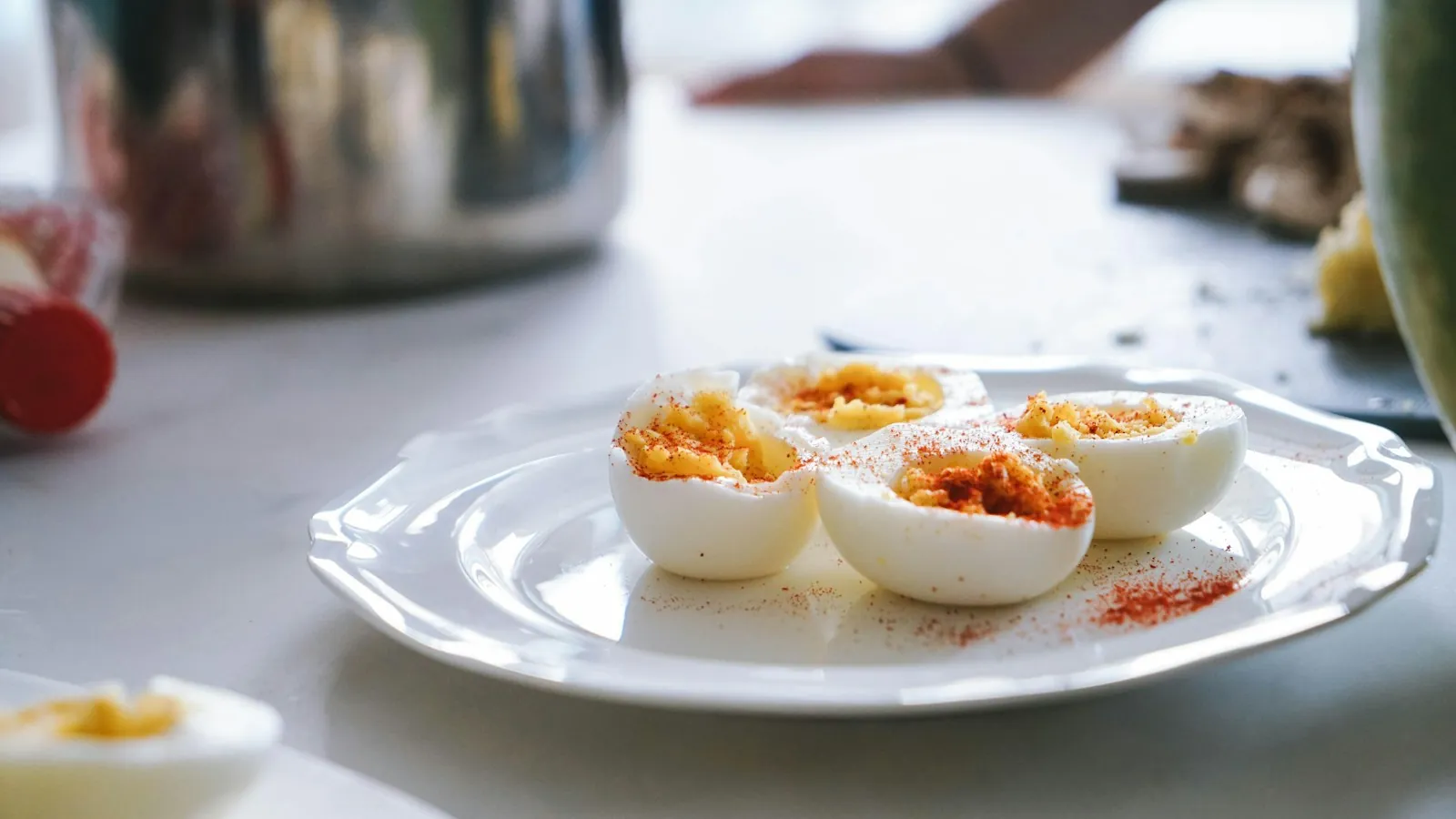
Store hard boiled eggs with the shell on: the USDA says they keep up to 1 week in the fridge peeled or not, but eggs in the shell hold up better over that week. They stay moister, pick up fewer fridge smells, and are easier to keep clean, so peel them only when you're about to eat them.
The safe window is the same either way. What changes is quality, and how much care a peeled egg needs to reach day 7 still tasting good.
Why the 7-day limit is the same either way
People often assume the shell is a sealed package that keeps a cooked egg safe longer. It isn't, really. A raw egg comes with a thin protective coating called the bloom (or cuticle), but in the US, commercial eggs are washed before sale, which strips most of it off. Boiling takes off whatever is left.
Once cooked, the shell is still a porous barrier with thousands of tiny pores. Air, moisture, and odors pass through it slowly. Bacteria can too, especially once the egg is cooling and the contents contract and pull air (and anything on the shell) inward. That's part of why cooked eggs don't last as long as raw eggs, which keep 3 to 5 weeks in the fridge.
So the USDA treats both the same: 1 week, refrigerated at 40°F or below. The shell helps with quality. It doesn't buy you extra safe days.
Peeled vs in the shell, side by side
| In the shell | Peeled | |
|---|---|---|
| Safe fridge time (USDA) | Up to 7 days | Up to 7 days |
| Moisture loss | Slow | Faster, whites can turn tough and rubbery |
| Picks up fridge odors | Somewhat | Much more easily |
| Best container | Carton or covered container | Airtight container or zip-top bag |
| Ready to eat | Needs peeling first | Grab and go |
| Peeling ease over time | Gets slightly easier after a day or two | Not a concern |
| Freezes well? | No | Whites no; yolks only |
The big practical difference is the egg white. Exposed egg white dries out at the surface and can develop a tough skin, and it soaks up whatever is nearby. A peeled egg stored next to half an onion for four days will taste like half an onion.
How to store hard-boiled eggs in the shell
Unpeeled eggs are the low-effort option. A few habits keep them at their best:
- Cool them fast. Move the eggs from the pot into an ice bath or a bowl of cold running water for about 10 to 15 minutes. This stops the cooking (no green ring around the yolk) and gets them out of the 40 to 140°F danger zone quickly.
- Dry the shells. Pat them off with a towel. Wet shells in a closed container can get slimy and are more likely to grow bacteria.
- Refrigerate within 2 hours of cooking. That's the USDA rule for all perishable cooked food, and it drops to 1 hour if the room is above 90°F.
- Use a covered container or the original carton, which also carries the pack date if you want to check how fresh the eggs are. This limits odor transfer and keeps the shells from cracking against other things.
- Keep them on an inside shelf, not the door. The door is the warmest spot in most fridges and swings in temperature every time you open it.
- Write the date on the container. Seven days goes by faster than you think, and cooked eggs all look the same.
If a shell cracked during cooking, that egg is effectively half-peeled. Eat it first, within a few days. If you would rather have a soft egg on toast, poaching without wispy whites is a quick alternative.
Can you peel them ahead of time?
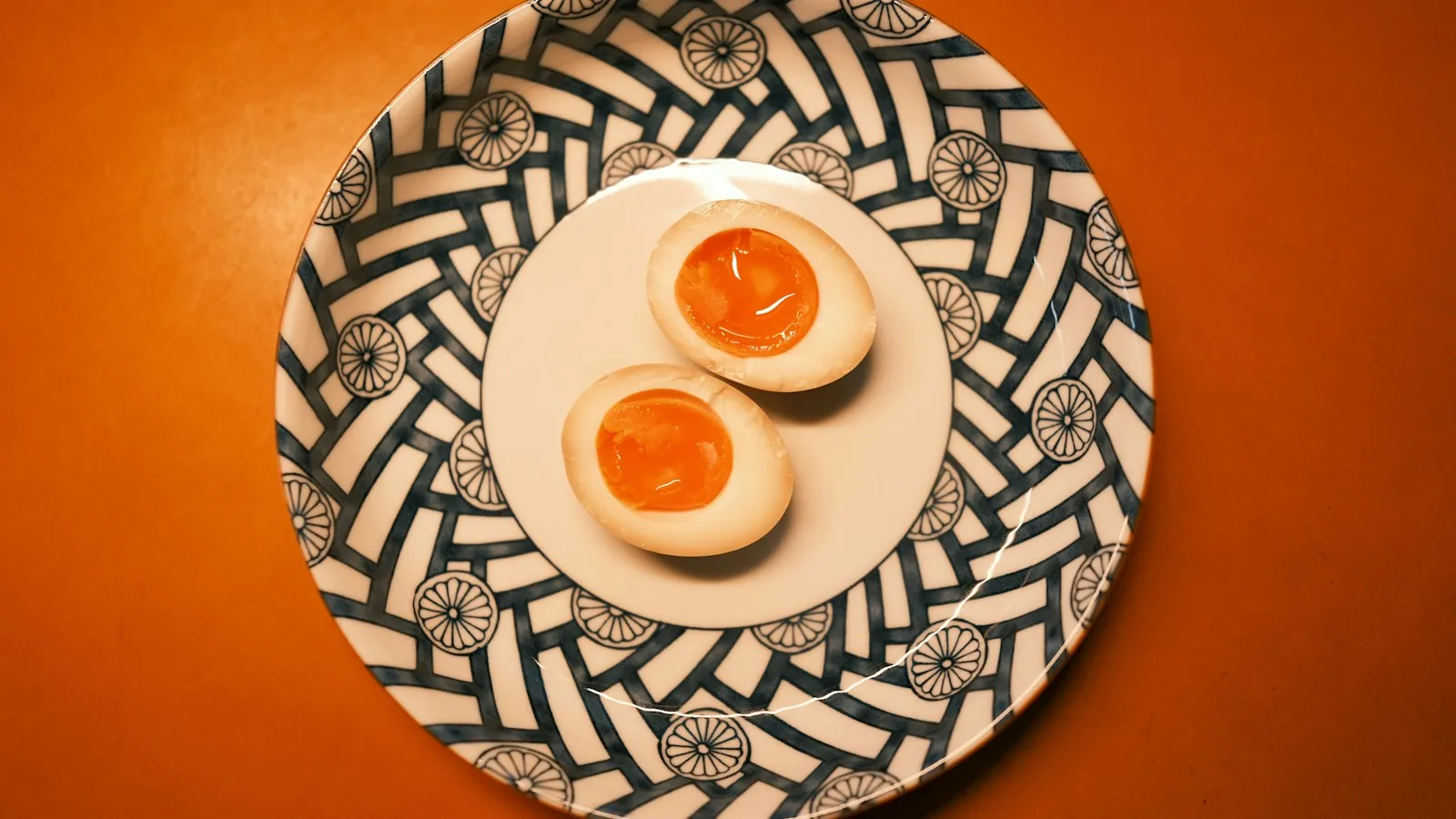
Yes, and plenty of people peel hard-boiled eggs ahead of time for meal prep. A bowl of peeled eggs you can grab on a busy morning gets eaten. A carton of unpeeled ones sometimes doesn't. The goal is simply to keep the peeled egg from drying out or tasting like your fridge.
Two methods work well:
- Damp paper towel. Line an airtight container with a damp (not dripping) paper towel, add the peeled eggs, and lay another damp towel on top. Swap the towels every day or two. This keeps the whites soft without leaving them sitting in water.
- Cold water bath. Submerge the peeled eggs in cold water in a covered container and change the water daily. It keeps them very moist, but if you skip a water change, the water itself becomes a problem. If you forget easily, use the towel method.
Either way, the container needs a tight lid. A zip-top bag with the air pressed out also works if you're tight on space.
Peeled eggs are safe for the full 7 days if they've been kept cold the whole time. Many cooks find the texture is best in the first 3 to 5 days, though, and plan to eat peeled eggs a little sooner for that reason.
What about sliced, chopped, or deviled eggs?
Once an egg is cut, more surface is exposed and it dries out faster. Egg salad and deviled eggs are best eaten within 3 to 4 days, and they need to stay cold. Deviled eggs on a party table follow the 2-hour rule: after 2 hours at room temperature (1 hour above 90°F), throw them out. Setting the platter on a tray of ice helps.
Does peeling get easier if you wait?
A little, and that's a fair reason to leave the shell on until serving. Freshly cooked eggs from very fresh raw eggs are notoriously hard to peel because the white clings to the inner membrane. A day or two in the fridge lets the egg firm up and contract slightly, and many people find the shell comes off more cleanly.
Egg age matters more than storage time, though. Eggs that sat in your fridge for a week or more before you boiled them are more alkaline and peel more easily than eggs bought yesterday. How you cook them matters too: lowering cold eggs into already boiling water (or steaming them) instead of starting them in cold water tends to make peeling much easier. The video at the end shows that method.
If you're planning to peel ahead for the week, it's worth peeling right after the ice bath, when the eggs are cool but the membrane hasn't fully set against the white. Cracking the shell all over and peeling under a thin stream of water helps.
Can hard-boiled eggs sit out on the counter?
No. Treat a hard-boiled egg like any cooked protein. The FDA and USDA both say not to leave cooked eggs out for more than 2 hours (1 hour if it's above 90°F, such as at a picnic or in a hot car).
That rule doesn't change because the shell is on. Decorated Easter eggs that sat out for a hunt or as a centerpiece for longer than 2 hours should not be eaten. If you want to eat them afterward, keep the hunt short, keep the eggs clean and uncracked, and get them back into the fridge promptly.
For lunches, pack hard-boiled eggs with an ice pack in an insulated bag. Peeled or not, an egg that rode around in a warm backpack all morning isn't worth the risk.
Freezing hard-boiled eggs (mostly don't)
Whole hard-boiled eggs don't freeze well. The whites turn rubbery, watery, and tough once thawed, and that's true whether the shell is on or off. The shell can also crack as the egg freezes. Hard cheeses are a different story and freeze far better.
The yolks are a different story. Cooked yolks freeze reasonably well and can be crumbled over salads or mixed into egg salad or deviled egg filling later. Here's how:
- Separate the cooked yolks from the whites.
- Put the yolks in a freezer bag or airtight container, press out the air, and label it.
- Freeze for up to about 3 months for the best quality.
- Thaw overnight in the fridge and use within a day or two.
If you made far too many eggs, freezing the yolks and turning the whites into a lighter egg salad this week is a better plan than freezing whole eggs.
How to tell if a hard-boiled egg has gone bad
The 7-day rule is what to go by, not a best by date on the carton. Don't push past it on the basis of smell alone, since bacteria that cause illness don't always change how food smells or looks. That said, some signs mean an egg should go straight to the trash even before day 7:
- A sulfur or rotten smell that's stronger than the normal mild eggy smell. You'll often notice it the moment you crack the shell.
- Slimy or sticky whites, or a slimy film on a peeled egg's surface.
- Discoloration beyond the harmless gray-green ring around the yolk.
- Mold on the shell or the white, often in spots where the shell cracked.
- Any egg that sat out for more than 2 hours, even if it seems fine.
About that green ring: it's iron sulfide, formed when eggs are overcooked or cooled slowly. It looks odd and can taste a bit sulfurous, but it's safe to eat. It doesn't mean the egg has spoiled, and it doesn't get worse in the fridge.
Quick answers by situation
Not sure which way to go? Match the method to how you'll eat the eggs, the way you would with any food storage choice:
| Your plan | Best storage | Eat within |
|---|---|---|
| Snacks over the week | In the shell, covered | 7 days |
| Grab-and-go breakfasts | Peeled, damp towel, airtight | 7 days (best in 3 to 5) |
| Egg salad or deviled eggs | Make it, then refrigerate covered | 3 to 4 days |
| Picnic or packed lunch | In the shell, with an ice pack | Back in the fridge or eaten within 2 hours of warming up |
| Too many eggs | Freeze cooked yolks only | About 3 months |
 Hard boiled eggs that peel clean after storage
Peeling trouble shows up in the hands, not on paper, so it helps to see how a shell comes off. America's Test Kitchen cooks hard boiled eggs so the shells release easily, whether you peel right away or later in the week.
How to Make Hard-Cooked Eggs So Easy to Peel That the Shells Practically Fall Off
By America's Test Kitchen on YouTube. Their method may vary a little from ours. Watch on YouTube
- Notice how the eggs go into the water, since lowering them into boiling water is the method the piece above links to easier peeling.
- Compare how cleanly the shell separates from the white with the ice bath step of 10 to 15 minutes above.
- Look at the cooked yolk color, and think about the harmless gray-green ring that overcooking or slow cooling leaves.