Kitchen Tools
Does a Rice Cooker Earn Its Counter Space, or Is a Pot Worth as Much?
 By the CookClear writers
Checked against manufacturer instructions and test kitchen reviews
 Clear Answer
A pot does the same job. A heavy saucepan with a tight lid makes rice as good as a basic rice cooker, and often a few minutes faster. A rice cooker is worth the counter space if you cook rice three or more times a week, cook finicky short-grain or brown rice often, or want rice held hot for hours while you do something else.
Mostly you're paying to stop watching the pot. The rice itself is only slightly different, and sometimes not at all.
What a rice cooker does that a pot doesn't
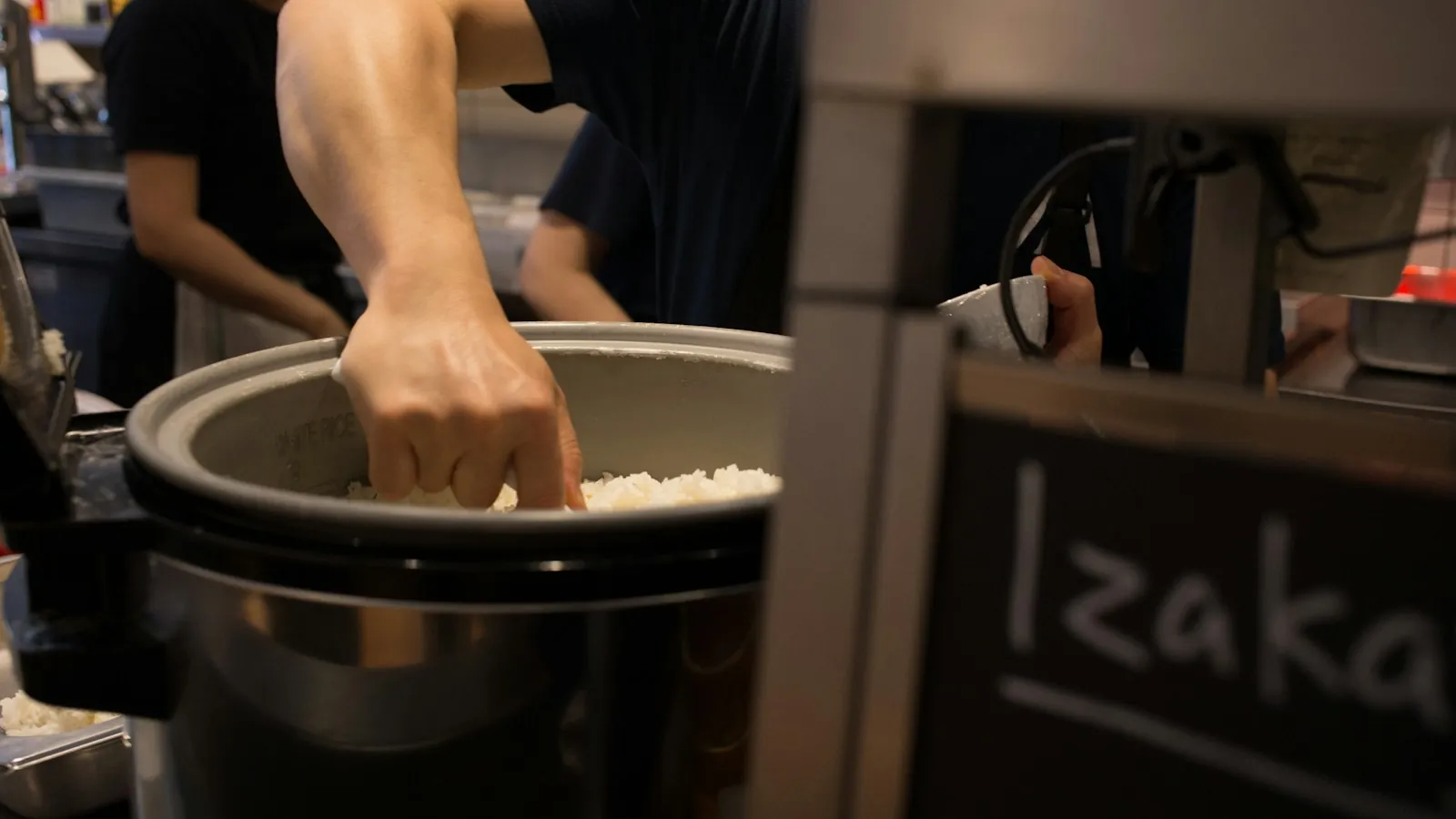
A basic rice cooker works with a heating plate, a removable pot, and a thermostat. Its one trick is noticing when the water is gone.
While there's free water in the pot, the temperature can't climb much past 212°F, the boiling point of water at sea level. Once the rice has absorbed the last of it, the bottom of the pot gets hotter than that, the thermostat trips, and the cooker drops to a low "warm" setting. The trapped steam finishes the grains while it sits.
That's the same thing you do on the stove when you turn the burner to low, wait for the water to disappear, and then let the pot rest covered. The cooker just watches the clock and the heat for you.
Fancier models with "fuzzy logic" or induction heating go further. They adjust temperature and time through the cycle, soak the grains before heating, and run separate programs for white, brown, sushi, and porridge. That's where the rice quality gap, when there is one, mostly comes from.
Rice cooker vs pot, side by side
| Heavy saucepan | Basic on/off rice cooker | Sensor or induction cooker | |
|---|---|---|---|
| Rice quality (long-grain, jasmine) | Excellent if heat is right | Very good | Excellent |
| Rice quality (short-grain, brown) | Good, takes practice | Fair to good | Best of the three |
| Typical time, 2 cups white | About 20 to 25 minutes | About 20 to 35 minutes | Often 40 minutes or more |
| Hands-on attention | Watch heat, set a timer | Press one button | Press one button |
| Holds rice hot | No, cools within the hour | A few hours, can dry out | Many hours, stays moist |
| Scorching risk | Real if heat is too high | Low, slight crust possible | Very low |
| Other uses | Everything | Steaming, simple grains | Grains, porridge, steaming, slow cook |
| Counter and cabinet space | Shares cabinet with other pans | Small appliance footprint | Larger appliance footprint |
The time row surprises people. In a test by Consumer NZ cooking 2 cups of jasmine rice, rice cookers took anywhere from 18 to 57 minutes, with most over 30, while a cooktop took 20 to 25. America's Test Kitchen found the same pattern in its testing: the best machines ran long cycles (some around 65 minutes for a big batch), and the fast ones made worse rice, especially brown.
A good cooker won't save time, but you can set it and walk away.
When a pot is all you need
If you cook rice once or twice a week and mostly make long-grain white, jasmine, or basmati, skip the appliance. Those varieties are forgiving, and Pailin Chongchitnant of Hot Thai Kitchen, who has run blind taste tests of cookers against a stovetop pot, notes that jasmine turns out fine in almost any pot as long as the water amount is right.
A pot also wins in a few specific cases:
- Pilaf and seasoned rice. Toasting the grains in oil with onion and spices first is easy in a saucepan and awkward in most cookers.
- Small kitchens. A saucepan lives in a cabinet with everything else. A cooker needs a shelf, an outlet, and a place for the cord.
- Rice for one. Many cookers struggle with very small batches (under 1 cup dry), since there isn't enough water for the thermostat to read clearly. A small pot handles a half cup without fuss.
- Different rice every night. If you rotate risotto, paella, and rice for fried rice, the cooker only covers part of that.
When a rice cooker earns its spot
The case for a cooker gets strong when rice is a staple rather than a side. Some signs you're in that group:

- You cook rice three or more times a week, or every day.
- You eat a lot of Japanese or Korean short-grain rice, which is more sensitive to soaking time and heat than long-grain.
- You cook brown rice often. Its long cook time makes stovetop scorching more likely, and sensor cookers handle it well.
- You need the burner. During a stir-fry or curry, having rice cooking on the counter frees up a burner and your attention.
- Your household eats at staggered times and you want rice still hot an hour or three later.
- You've had repeated stovetop trouble with scorched pot bottoms or crunchy tops, even after adjusting heat and lids.
Some stoves simply don't go low enough, and some pots have thin bases that scorch no matter what. A cooker sidesteps both.
Making a pot behave like a rice cooker
Most of what a cooker does, you can copy with a heavy saucepan and a timer. This method works for long-grain white rice; brown rice needs more water and roughly twice the time, so follow the package.
- Pick the right pot. A 2-quart saucepan with a thick base and a snug lid suits 1 to 2 cups of dry rice. Wide pots let too much water evaporate. A heavy Dutch oven works for bigger batches.
- Rinse the rice. Swirl it in cold water and drain, two or three times, until the water runs mostly clear. This removes loose surface starch that makes rice gummy.
- Measure water by weight or level. Follow the package ratio for your variety. Write it on a piece of tape inside the cabinet so you stop guessing.
- Bring it to a boil uncovered, then cover and drop to low. Use the lowest setting your burner has, the way a cooker drops its heat once things are going.
- Set a timer instead of peeking. Most long-grain white rice needs about 15 to 18 minutes on low. Lifting the lid lets out steam the rice needs.
- Rest it off the heat, covered, for 10 minutes. This is the "warm" phase of a cooker, and it's where the texture evens out. Then fluff with a fork.
If you keep getting crunchy rice even with this routine, you can usually save rice that's still crunchy with a splash of water and a few more minutes. Usually it's heat or a leaky lid, not the method.
How long can a rice cooker keep rice warm?
This is the feature a pot can't copy, and it has a food-safety side. Cooked food that's kept hot needs to stay at 140°F or above. Rice left between 40 and 140°F (the danger zone) for more than 2 hours should be thrown out, partly because spores of Bacillus cereus, a bacterium common in rice, survive cooking and can grow and make toxins as rice cools slowly.
A rice cooker's warm setting is designed to hold rice above that line. America's Test Kitchen kept rice on the warm setting for 12 hours in its top-rated machines and found it stayed at a food-safe temperature. Basic on/off models tend to dry the rice out or brown the bottom over long holds, even when the temperature is fine.
With a pot, the rule is simpler. Serve the rice, and get leftovers spread out in a shallow container and into the fridge within 2 hours. For longer storage, cooked rice freezes well. If you routinely need rice hot for a long stretch (a household with shift workers, a big family meal that stretches out), that alone can justify the cooker.
Is a multicooker a good compromise?
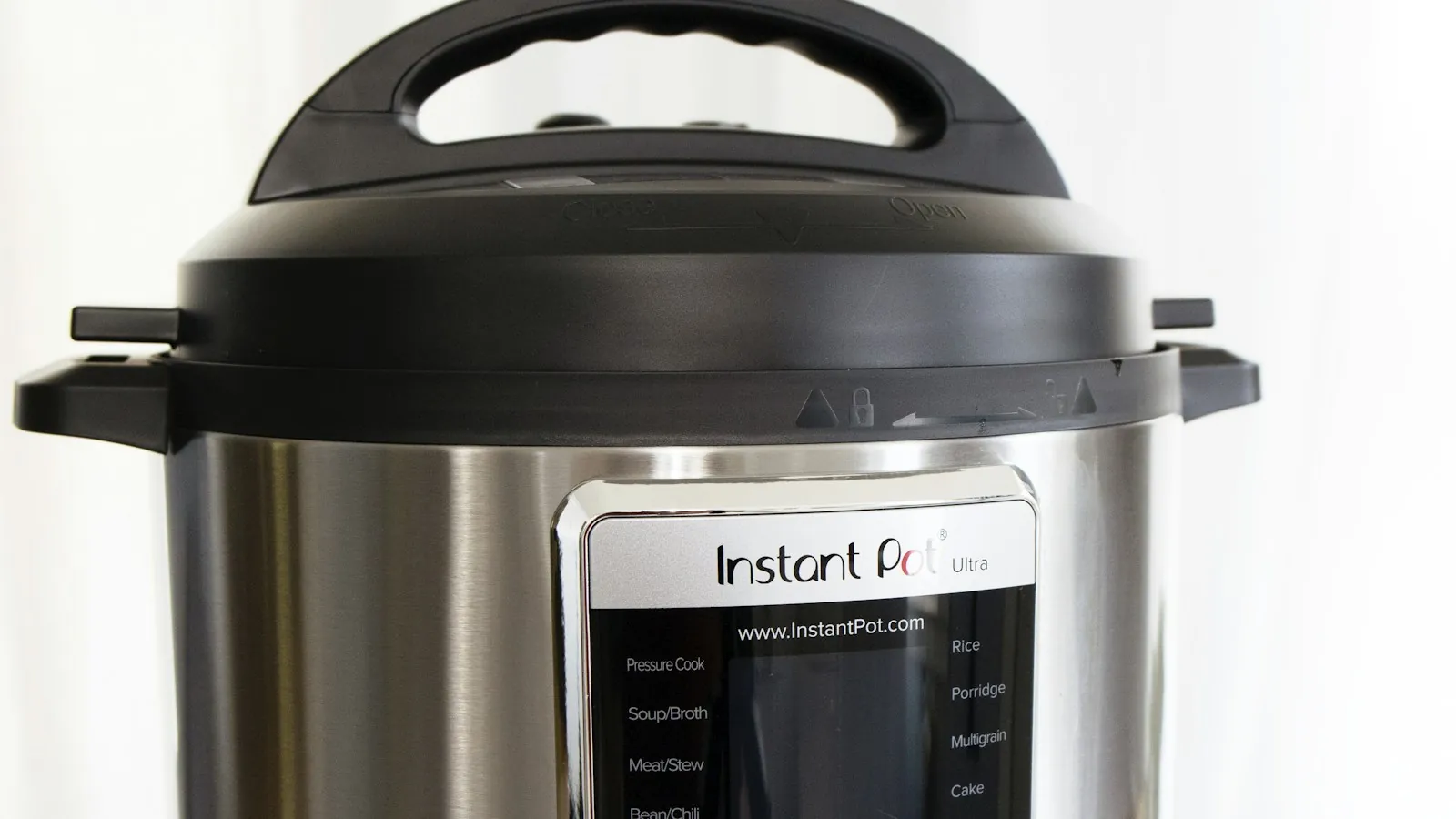
If you already own an electric pressure cooker or multicooker, you probably don't need a separate rice cooker. Most have a rice program, cook rice well, and many have a keep-warm mode. The trade-off is texture: pressure-cooked rice can be a little softer and stickier than rice from a dedicated cooker, and short-grain rice purists usually prefer the dedicated machine. Add enough water, too, or you may see the burn warning.
Going the other way doesn't really work. A rice cooker can steam vegetables and make oatmeal or porridge, but it won't replace a multicooker for beans, stews, or braises.
Does a rice cooker save energy or money over the stove?
Not in any way you'd notice. Consumer NZ measured running costs for rice cooked three times a week over a year and found rice cookers and cooktops landed close together, with the cooktop slightly cheaper on average. Long sensor-cooker cycles and the keep-warm setting both draw power.
Choose based on convenience and rice quality, not the power bill. The same rule holds for most gadgets: if you would not use it weekly, other kitchen tools deserve the same skepticism.
A quick way to decide
Ask yourself two things. How many times a week do you make rice, and what goes wrong when you make it on the stove?
- Once or twice, nothing goes wrong: keep using a pot.
- Once or twice, it scorches or turns out uneven: fix the pot and heat first (a thicker pot, lower flame, timer, rest). Buy a cooker only if that fails.
- Three or more times, mostly long-grain: a basic cooker is a reasonable convenience buy.
- Three or more times, mostly short-grain or brown, or you need it held hot: a sensor or induction cooker is where you'll notice the difference.
The main cost is counter space, the same math as a stand mixer. If the appliance would get used a few times a week, it pays its rent. If it would sit unplugged behind the toaster, the saucepan you already own is doing the job.
 Rice cooker and pot compared side by side
The difference in effort between a cooker and a saucepan is easier to judge when you see both in use than from a table. Chow With Lau weighs whether a rice cooker earns its counter space.
THE Most Important Gadget I have in my Kitchen is a Rice Cooker - But Should You Buy One?
By Chow With Lau on YouTube. Their method may vary a little from ours. Watch on YouTube
- Compare how much attention each method needs with the hands-on row in the table above.
- Notice the texture of the finished rice and ask whether it differs enough to matter for the kind of rice you cook.
- Think about the counter space and the rinsing step against how many times a week you make rice.