Food Storage
Does Natural Peanut Butter Need the Fridge More Than Regular Jars?
 By the CookClear writers
Checked against USDA and FDA food safety guidance
 Clear Answer
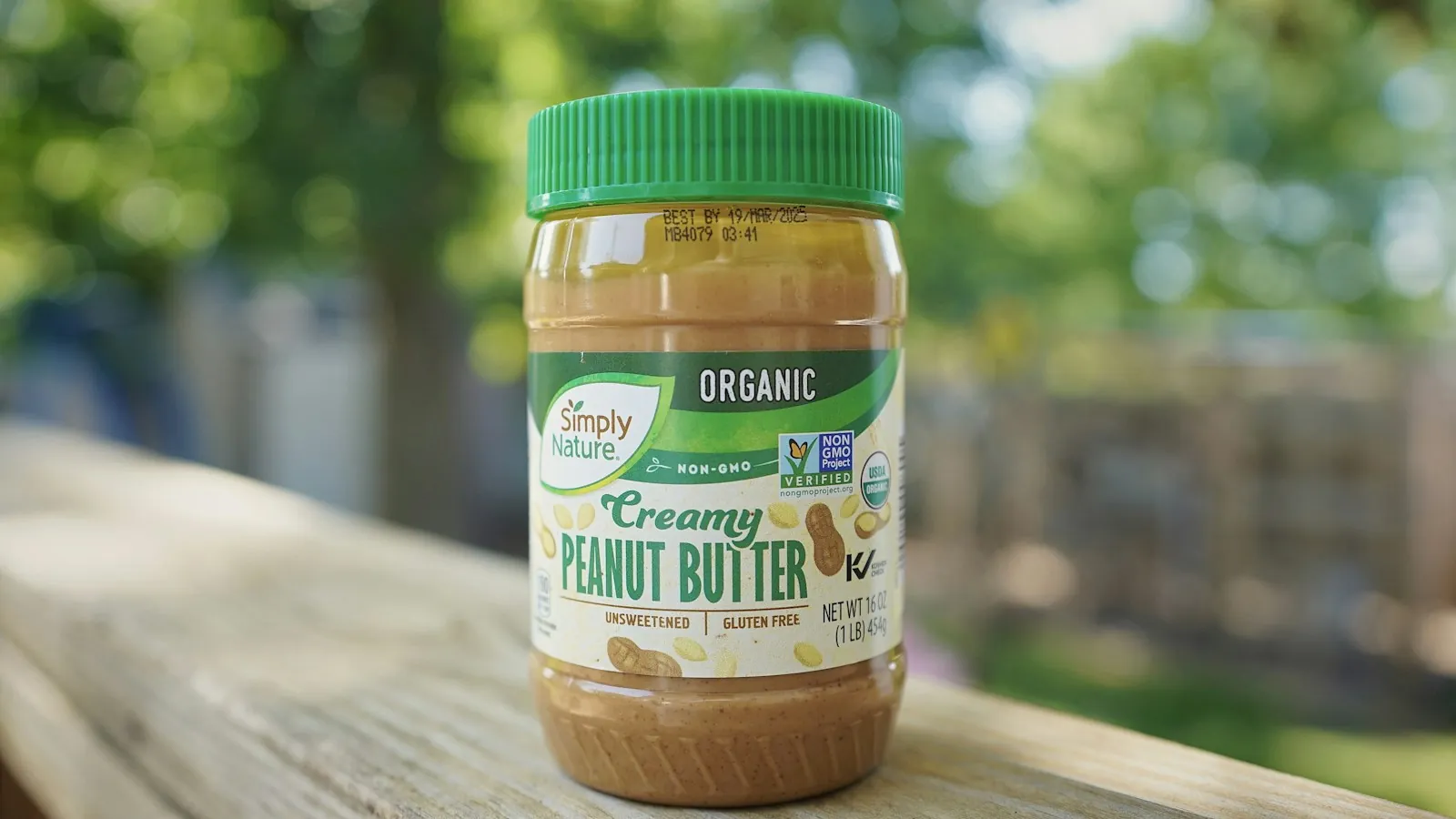
No, regular peanut butter does not need the fridge. An opened jar of the standard stabilized kind (Jif, Skippy, Peter Pan and store brands) keeps well in the pantry for 2 to 3 months, according to the National Peanut Board. Natural peanut butter, the kind with just peanuts and maybe salt, is different: it lasts only about a month at room temperature after opening, so it belongs in the fridge.
The quick test is the ingredient list. If you see hydrogenated oil or palm oil, the pantry is fine. If it says peanuts and salt and nothing else, refrigerate it once you've stirred it.
Why doesn't regular peanut butter spoil on the shelf?
Peanut butter is mostly fat with very little water in it. Bacteria and molds need moisture to grow, and peanut butter simply doesn't give them much to work with. That's the same reason honey and hard candy sit in the pantry for ages. Maple syrup looks similar but needs the fridge once opened.
Commercial brands add a small amount of hydrogenated vegetable oil or palm oil as a stabilizer. That fat stays solid at room temperature and holds the peanut oil in suspension, so the jar never separates. Some brands also add preservatives. The result is a spread built from the start to live in a cupboard.
What eventually ruins a jar is quality loss from rancidity: the oils slowly react with oxygen and turn stale, bitter or paint-like. Heat and light speed that reaction up. Cold slows it down.
How long does peanut butter last, opened and unopened?
These ranges come from the National Peanut Board and Healthline's review of storage guidance. Treat them as quality windows. A jar a few weeks past the range isn't dangerous, but it may taste flat or off.
| Type | Unopened, pantry | Opened, pantry | Opened, fridge |
|---|---|---|---|
| Regular stabilized (Jif, Skippy, store brand) | 6 to 9 months | 2 to 3 months | About 3 to 4 months more beyond the pantry window |
| Natural (peanuts, salt, maybe oil) | Several months | Up to about 1 month | 3 to 4 months |
| Homemade (ground at home or at the store) | Not shelf stable | Not recommended | Up to 6 months in a tight jar |
| Powdered peanut butter | 10 to 12 months (typical label) | 4 to 6 months (typical label) | Mixed with water: 48 hours |
The homemade figure comes from University of Illinois Extension, which recommends keeping homemade peanut butter in the fridge in a glass jar with a tight lid for up to six months. The powdered numbers are typical label guidance, so check your own jar.
The "best by" date on a commercial jar is about peak flavor, not a safety cutoff. Go by smell and taste once you're past it.
Natural peanut butter is the one that really wants the fridge
Natural peanut butter has no stabilizer, so the oil rises to the top and sits there exposed to air. Exposed oil is where rancidity starts. At room temperature, that layer can go stale in a few weeks, especially in a warm kitchen.
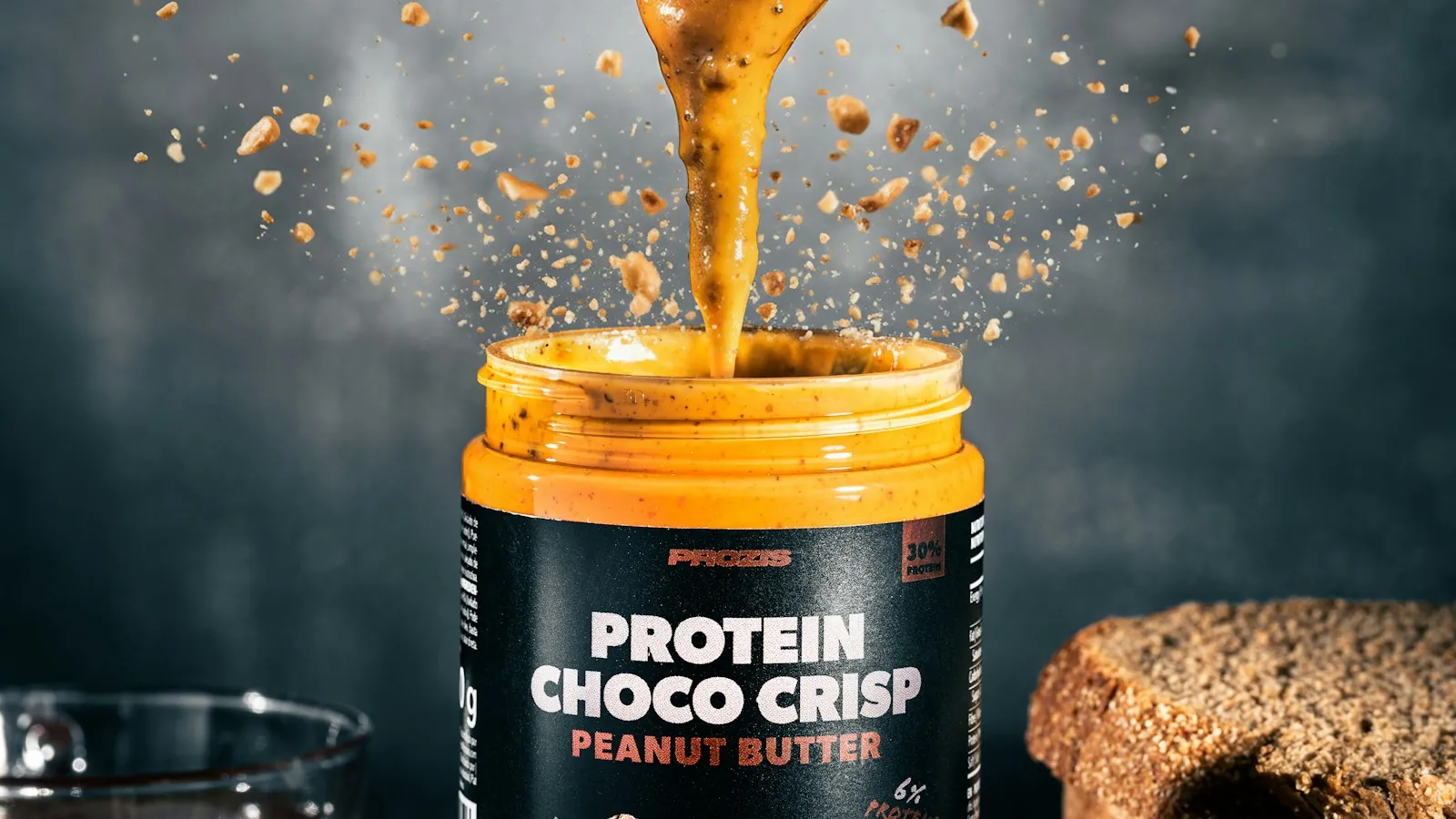
Colorado State University Extension gives simple advice for natural jars: stir the oil back in when you first open it, then refrigerate. Cold does two things here. It slows oxidation, and it firms up the peanut solids enough that the oil has a harder time separating again.
America's Test Kitchen tested this. Jars kept in the fridge stayed better mixed after a week than jars left out, though they were thicker and harder to spread. Jars stored upside down at room temperature did not stay mixed, so flipping the jar is not a substitute for stirring.
How to stir and store a new jar of natural peanut butter
- Set the jar on a towel before you open it. The top is often a thick layer of oil, and it splashes.
- Use a butter knife or a narrow jar spatula and work it all the way to the bottom, where the dry, packed peanut solids sit.
- Stir slowly at first, then more firmly once the oil starts to blend. America's Test Kitchen found it took about a minute and a half of steady stirring to get it smooth.
- Scrape the sides and the bottom corners so no dry clumps remain.
- Close the lid tightly and put the jar in the fridge. You shouldn't need to stir it again for weeks.
If you hate stirring, a hand-crank peanut butter mixer that screws onto the jar does the job with no splashing. Some people pour off part of the oil to skip the work. That makes the peanut butter drier and stiffer, so only do it if you like that texture.
What changes when regular peanut butter goes in the fridge?
Mostly the texture. Cold peanut butter is stiff, and a spoonful from the fridge will tear soft sandwich bread. If you refrigerate a stabilized jar, take it out a little while before you need it, or spread it on warm toast where it softens quickly.
Refrigeration does buy you time. The National Peanut Board notes an opened jar of regular peanut butter gets roughly another 3 to 4 months in the fridge once it's past its pantry window. That's handy if you buy the big jars or only use peanut butter for occasional baking.
For a household that goes through a jar every few weeks, though, the fridge adds nothing but a stiff spread. Keep it in the cupboard. Most pantry foods that need no fridge follow the same logic: low moisture leaves little to spoil.
Where in the pantry should the jar live?
Heat speeds rancidity along, so location makes a difference, just as it does for jars of ground spices. A few habits keep a jar tasting fresh until the last scoop:
- Store it away from the stove, the dishwasher, the toaster and any sunny window. A cupboard on an outside wall or a low pantry shelf is better than one above the range.
- Keep the lid screwed on tight. Every bit of air exposure feeds oxidation.
- Use a clean, dry knife each time. Crumbs, jelly and moisture from a used knife bring in water and food for mold, which the peanut butter otherwise lacks.
- Don't double dip a spoon you've had in your mouth. Same reason.
- If your kitchen runs hot in summer, move even a regular jar into the fridge for those months.
How can you tell if peanut butter has gone bad?
Rancid peanut butter is easy to spot if you trust your nose. Healthline lists the signs most people notice:
- Smell: sharp, soapy, bitter or like old paint, or the nutty aroma is simply gone
- Taste: sour or bitter instead of sweet and roasty
- Texture: dry, hard and crumbly
- Color: noticeably darker brown than the light tan it started as
Throw out the jar if you see fuzzy spots or visible mold, and don't try to scrape it off. Mold is rare in peanut butter, and when it shows up it's almost always because something wet or dirty got into the jar.
Oil on the top of a natural jar is not a sign of spoilage. That's normal separation. Oil showing up on a regular stabilized jar can happen too if it's been stored somewhere warm. Stir it back in and give it a sniff.
Rancid peanut butter generally won't make you sick in small amounts, but it tastes bad, and rancid fats aren't something you want to eat regularly. If it smells off, replace it.
Can you freeze peanut butter?
You can. Freezing works best for natural or homemade peanut butter that you bought in bulk or won't get to soon. Leave some headspace in the container, since the contents can expand a little, and thaw it in the fridge overnight before using.
Expect the texture to change slightly. Natural peanut butter may separate again after thawing, so give it a good stir. For regular stabilized peanut butter, freezing is rarely worth the trouble, because the pantry already gives you months.
What about peanut butter that's been mixed with other things?
Once peanut butter becomes part of something else, the storage rules follow the other ingredients, not the peanut butter. A few common cases:
- Peanut sauce or satay dressing made with lime juice, garlic, soy sauce or water: refrigerate it. Adding water and fresh ingredients removes the low-moisture protection peanut butter has on its own.
- Powdered peanut butter mixed with water: keep it covered in the fridge and use it within 48 hours.
- Peanut butter and jelly sandwiches packed for lunch: these are low risk, but keep them cool if they'll sit for hours, especially with banana or other fresh fruit added. The bread itself keeps best on the counter, not the fridge, and lunchbox hard boiled eggs need cold too.
- Peanut butter cookies and bars: store like any baked good, at room temperature in an airtight container for several days.
Does the type of jar or brand change anything?
Not much beyond the regular vs natural split. Plastic and glass both work fine. Glass blocks odors better, which helps a little in the fridge.
The labels are worth reading, though. Many natural brands print "refrigerate after opening" right on the jar, and some no-stir natural jars use palm oil as their stabilizer. Those behave like regular peanut butter and can stay in the pantry. When the label tells you to refrigerate, follow it. The same goes for an opened jar of pasta sauce.
Peanut butter ground fresh at the store in a self-serve machine is the most perishable of all. It has no stabilizer and no preservatives, and it's often packed in thin tubs. Treat it like homemade and put it in the fridge as soon as you get home.
 How should a jar of natural peanut butter look?
Oil separation and stiff cold texture are easy to judge by eye but hard to picture from text. In The Kitchen With Matt covers peanut butter, so you can compare the jar with what to expect.
All About Peanut Butter | Storing Natural Peanut Butter Upside Down? | No Stirring
By In The Kitchen With Matt on YouTube. Their method may vary a little from ours. Watch on YouTube
- Notice the oil layer on top and how deep the knife has to reach to the packed solids at the bottom.
- Watch how long steady stirring takes before the peanut butter turns smooth, and whether dry clumps remain in the corners.
- Compare how firm or spreadable the peanut butter looks with the stiffness described for jars kept in the fridge.