Substitutes
The Vanilla Extract Bottle Is Empty, So Which Substitute Works Best?
 By the CookClear writers
Checked against test kitchen and baking science sources
 Clear Answer
The best vanilla extract substitute is vanilla bean paste or vanilla powder used 1:1, or the seeds from about a 2-inch piece of vanilla bean per teaspoon. Otherwise, use 1 teaspoon of maple syrup or bourbon, or 1/2 teaspoon of almond extract. In most cookies and cakes, you can also just leave the vanilla out.
Which substitutes work, and how much do you use?
Most recipes call for 1 or 2 teaspoons of vanilla. That small amount rounds out sweetness and softens eggy notes, and any swap only needs to do the same.
Here is how the common options line up for each 1 teaspoon of vanilla extract the recipe asks for.
| Substitute | Amount per 1 tsp extract | Best in | Notes |
|---|---|---|---|
| Vanilla bean paste | 1 tsp (some bakers use 1/2 tsp) | Custards, frosting, cakes | Adds visible seeds |
| Vanilla powder | 1 tsp | Cakes, cookies, dry mixes | No alcohol, mix into dry ingredients |
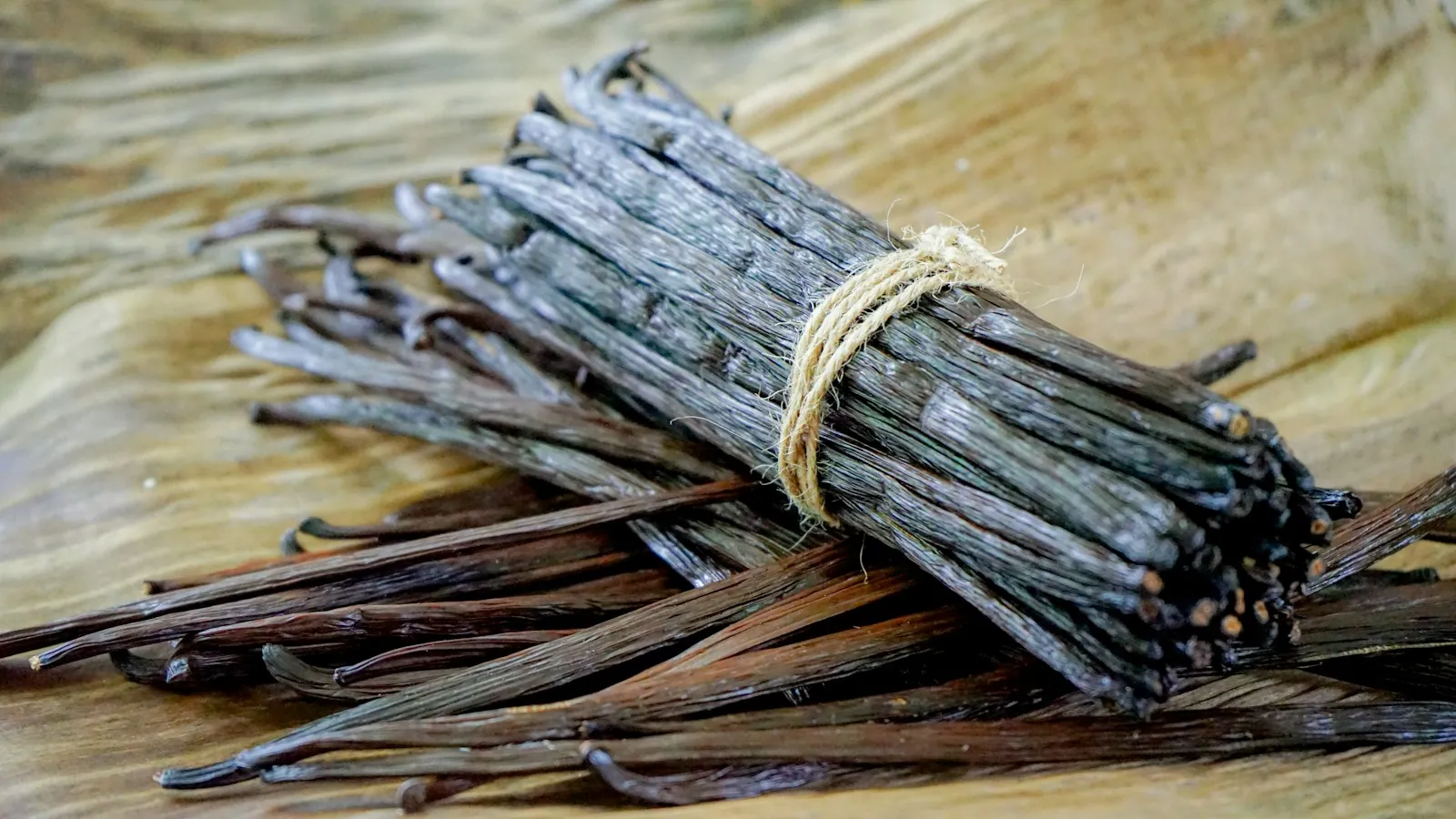
| Whole vanilla bean | Seeds from a 2-inch piece | Custards, ice cream, pudding | Larger Tahitian beans need only about 1 inch |
| Imitation vanilla | 1 tsp | Cookies, cakes, brownies | Hard to tell apart once baked |
| Maple syrup | 1 tsp | Cookies, quick breads, pancakes | Adds a light caramel note |
| Bourbon, dark rum, or brandy | 1 tsp | Brownies, pecan pie, chocolate cake | Alcohol mostly cooks off in the oven |
| Almond extract | 1/2 tsp | Sugar cookies, cherry or stone fruit bakes | Much stronger, easy to overdo |
| Nothing at all | Skip it | Chocolate, spice, or fruit-heavy bakes | Other flavors cover the gap |
The amounts for the vanilla products come from package directions and well-known baking sources, and they vary a little by brand. Paste in particular ranges from thin to quite concentrated, so if yours tastes strong straight from the jar, start with half.
Can you leave out vanilla extract entirely?
Yes, and it is often the easiest one. In a batch of chocolate chip cookies, boxed brownies, gingerbread, or a loaf of banana bread, the vanilla is a supporting player behind chocolate, molasses, spice, or fruit. Most people will not notice it is missing.
Where you will notice: plain recipes where vanilla is the main flavor. Think vanilla pudding, sugar cookies, pound cake, vanilla buttercream, whipped cream, and panna cotta. In those, a substitute is worth reaching for, or you can add a little extra of whatever else gives the dessert character, such as citrus zest or browned butter.
A few small tricks help when you skip it entirely:
- Add a pinch more salt. Salt makes sweet flavors read as fuller, which partly covers the gap.
- Brown the butter if the recipe uses melted butter. The toasty, nutty flavor fills in where vanilla would have been.
- Use brown sugar for part of the white sugar in cookies. The molasses brings a warm, rounded note. If yours has set into a brick, soften it first.
- Grate in a bit of lemon or orange zest in plain cakes, so the crumb tastes like something instead of just sweet.
Vanilla paste, powder, and beans: are they worth buying as a backup?
If you bake often, keeping one of these in the pantry is a good hedge. Each has a slightly different strength.
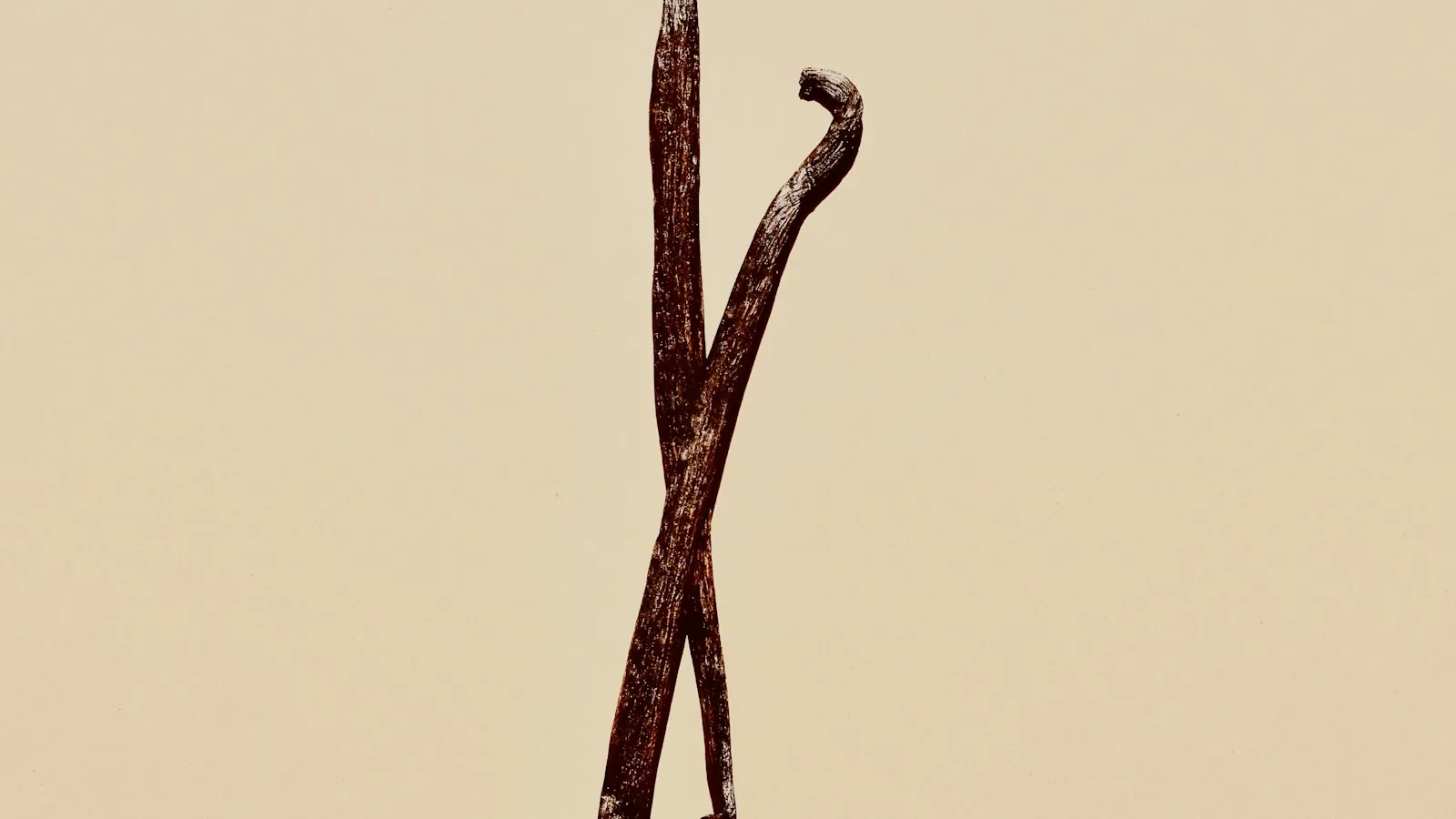
Vanilla bean paste is a thick syrup of extract, ground vanilla beans, sugar, and a thickener. America's Test Kitchen found little difference between paste and extract in cake, but in panna cotta the paste ranked second, just behind a whole bean, and ahead of extract. Most labels say to swap it 1:1 for extract. Gemma Stafford of Bigger Bolder Baking uses about half as much paste as extract with her homemade version, which is a reminder that strength depends on the jar.
Vanilla powder is extract dried onto a starch base, so it has no alcohol. In the same test kitchen comparison, tasters strongly preferred a yellow cake made with it. It is meant for dry ingredients, so whisk it into the flour, not into a custard base. Use it 1:1.
Whole vanilla beans give the deepest flavor in anything with milk or cream. Split the pod lengthwise, scrape out the seeds with the back of a paring knife, and add both seeds and pod to the warming liquid. Pull the pod out before serving. Baking author Rose Levy Beranbaum puts the equivalent at about a 2-inch piece of bean per teaspoon of extract, or about 1 inch for the larger, more aromatic Tahitian and Hawaiian beans.
Do not throw out the scraped pod. Dry it, then bury it in a jar of sugar for a week or two to make vanilla sugar. Blitz it in a blender and you have vanilla powdered sugar, too. That sugar is its own backup: swap some of it for regular sugar in a recipe and you get a gentle vanilla flavor with no extract at all.
What does imitation vanilla taste like in baked goods?
When America's Test Kitchen compared pure extract against imitation, tasters could not tell the difference in chewy sugar cookies or in vanilla pudding. Lab testing in that same work found the imitation products averaged about 15 times more vanillin, the main flavor compound in vanilla, than the pure extracts.
The reason imitation holds up in the oven is that real extract carries hundreds of subtle aroma compounds, and many of them cook off with heat. What survives is mostly vanillin, which imitation has plenty of. The test kitchen's advice is to save pure extract for things that are barely cooked or not cooked at all, like ice cream or panna cotta, where those delicate notes come through.
If a neighbor has a bottle of imitation vanilla and you are making cookies, take it and do not think twice. Use the same amount the recipe calls for.
Can you use liquor instead of vanilla?
Pure vanilla extract is, by federal definition, at least 35 percent alcohol by volume. That alcohol is the solvent that pulls flavor from the beans. It also explains why a teaspoon of bourbon, dark rum, or brandy makes a decent swap: you are replacing a boozy, aromatic liquid with another boozy, aromatic liquid.
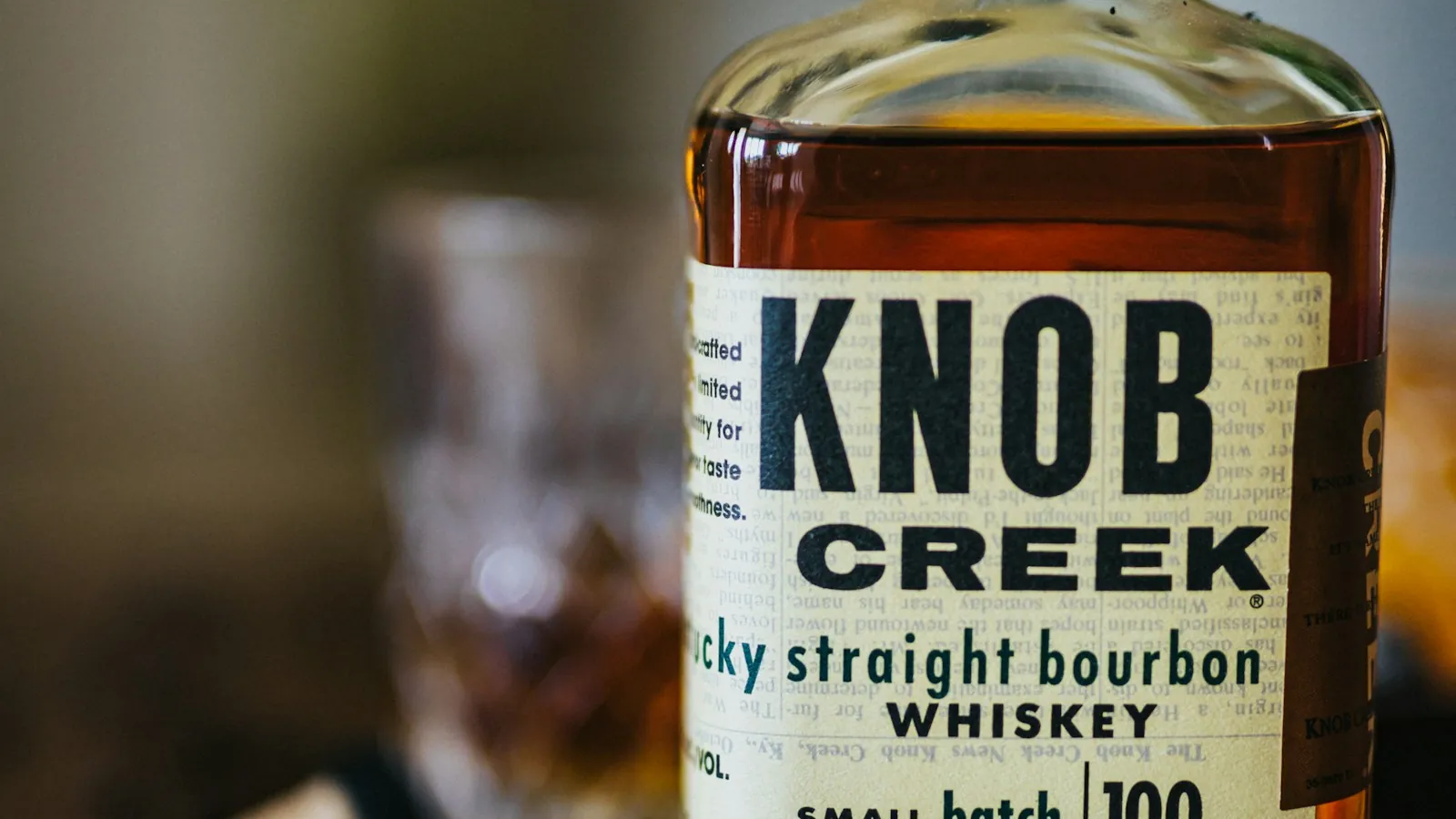
Bourbon is the most natural fit because barrel aging gives it its own vanilla and caramel notes. Dark rum leans toward molasses and suits gingerbread, banana bread, and spice cake. Brandy or cognac works in fruit desserts and anything with apples or pears.
Keep the amount the same as the vanilla. A teaspoon is enough to add flavor without making a cake taste like a cocktail. Most of the alcohol cooks off in a 350°F oven, though not all of it, so skip this route if you are baking for kids or anyone avoiding alcohol entirely.
For no-bake desserts like freshly whipped cream or buttercream, liquor will not cook off at all. A teaspoon in a full batch of frosting is fine for most adults, but taste before adding more.
When does maple syrup make sense?
Using maple syrup instead of vanilla is the best nonalcoholic pantry swap for most people. Use 1 teaspoon per teaspoon of vanilla. It brings a soft, caramel-like sweetness that reads as "warm" in the same way vanilla does.
Use real maple syrup, not pancake syrup. Once opened, real syrup needs to stay in the fridge. Pancake syrup is mostly corn syrup with flavoring and adds sweetness without much aroma.
Maple shines in oatmeal cookies, snickerdoodles, quick breads, muffins, pancakes, and French toast. It is less convincing in a white cake or vanilla pudding, where its own flavor becomes the point. The tiny amount of extra liquid and sugar will not change texture in a normal recipe.
Why use so little almond extract?
Almond extract is far stronger than vanilla, so the standard swap is 1/2 teaspoon of almond extract instead of each teaspoon of vanilla. Some bakers go even lower, starting at 1/4 teaspoon and tasting the batter.
It does not taste like vanilla. It tastes like almond, sometimes like maraschino cherries. That is great in sugar cookies, shortbread, cherry pie, peach cobbler, and anything with stone fruit, which share some of the same aroma compounds. It is a poor match for chocolate chip cookies if you want them to taste familiar.
If almond is your only option for a plain cake, try using half almond extract and making up the rest with maple syrup or a pinch of extra salt. That keeps the almond in the background.
Other things from the spice rack
When the shelf has none of the above, a few common ingredients can cover for vanilla in the right recipe:
- Ground cinnamon. A small pinch in cookies, coffee cake, or apple bakes adds warmth. Go light, since a little reads as "something cozy" while more turns the recipe into a cinnamon recipe.
- Instant espresso powder. In anything chocolate, a pinch makes the chocolate taste deeper, and you will not miss the vanilla.
- Citrus zest. The zest of half a lemon or orange brightens plain cakes, scones, and sugar cookies.
- Other extracts or flavorings. Orange, coconut, or maple flavoring all work if they suit the recipe. Start with half the vanilla amount for anything labeled as concentrated.
- Honey. A teaspoon brings floral sweetness. Works in quick breads and muffins (for bigger amounts, baking with honey needs a few adjustments), less so in cookies where its moisture can make them spread a little more.
They give the dessert a different background flavor so it does not taste flat. If the same shelf is also short on buttermilk or eggs, common baking substitutes cover those gaps too.
How do you avoid this next time?
Vanilla extract keeps essentially forever in a cool, dark cupboard because of its high alcohol content, so buying a larger bottle is not wasteful. Keep the cap tight so the alcohol does not evaporate.
You can also make your own. The traditional method is to split vanilla beans, cover them with 80 to 100 proof vodka, and wait. America's Test Kitchen says traditional extraction takes 6 to 10 weeks. For a much faster version, they use 1 ounce of beans (about 8 to 10) in 1 cup of vodka, sealed in a jar and held in a 145°F sous vide bath for 16 to 18 hours. They caution against letting the liquor go above 170°F, which damages flavor and drives off alcohol. In their tasting, everyone rated the homemade extract equal to or better than a good store-bought one.
A jar of vanilla paste or powder in the back of the pantry is another easy backup, since both keep well and swap in at roughly the same amount.
 Making vanilla bean paste as a backup
Thickness and seed flecks are easier to judge by eye than from a description. Gemma Stafford covers vanilla bean paste, one of the swaps that goes in at the same amount as extract.
How To Make Vanilla Bean Paste & 3 Ways to Use It
By Bigger Bolder Baking with Gemma Stafford on YouTube. Their method may vary a little from ours. Watch on YouTube
- Compare the paste's thickness with the thick syrup described above, since store-bought paste ranges from thin to quite concentrated.
- Look for the visible seeds, which the substitute table lists as the main difference you will see in a finished bake.
- Think about how much you would stir in at 1 teaspoon per teaspoon of extract, and which recipes would show the seeds.