 Food Storage
Why Does Brown Sugar Turn Rock Hard, and How Do You Soften It Fast?
 By the CookClear writers
Checked against USDA and FDA food safety guidance
 Clear Answer
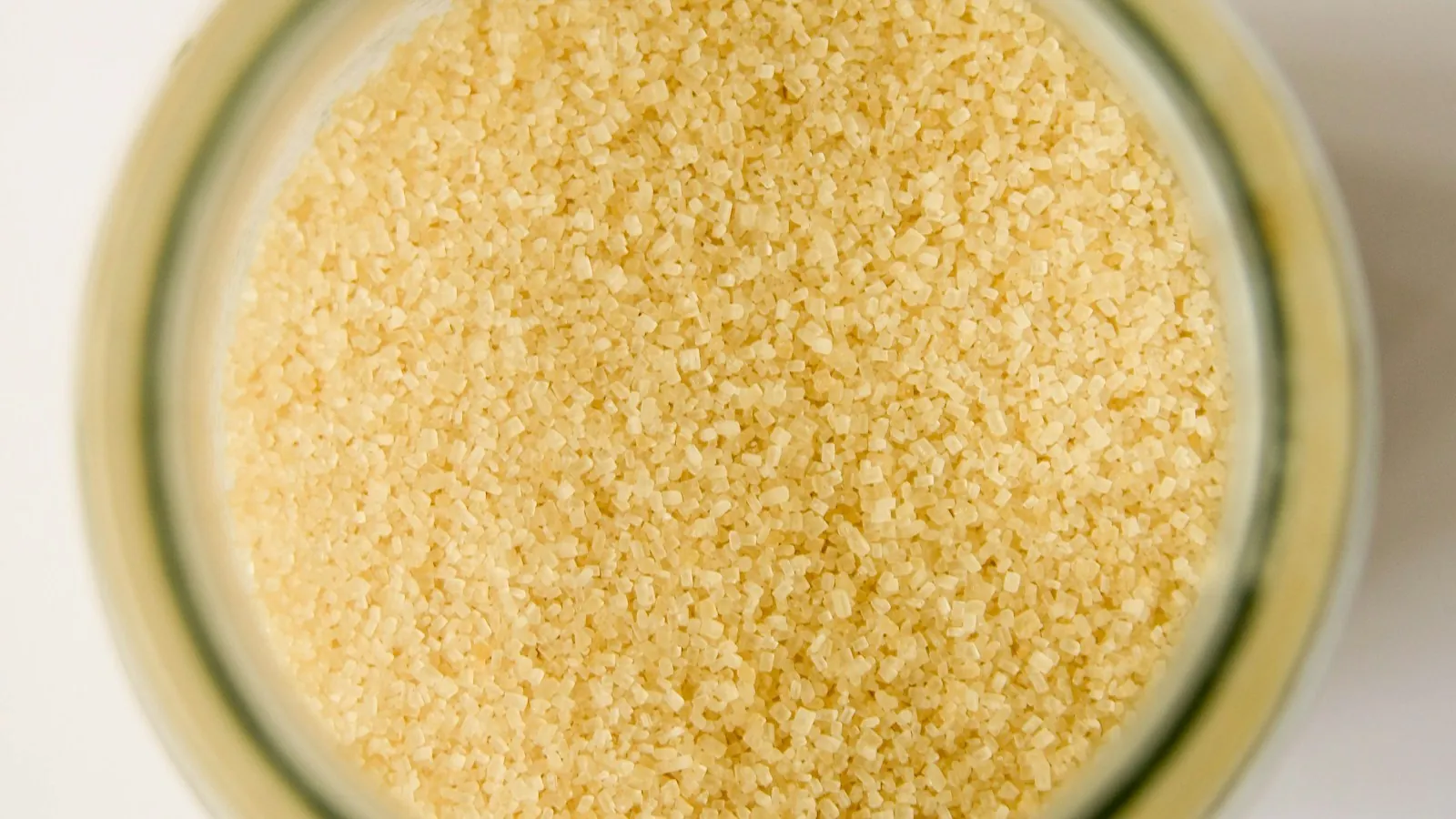
Brown sugar turns hard when the molasses film on each crystal dries out and cements the crystals into one lump, and the fastest fix is the microwave. Set the sugar in a bowl, cover it with a damp paper towel, and heat it in 20-second bursts until it softens, usually 20 to 60 seconds. Use it right away, because it hardens again as it cools.
What actually happens inside the bag
Brown sugar is mostly ordinary white sugar (sucrose) with molasses either left on or added back. Light brown sugar carries roughly 3 to 4 percent molasses by weight, and dark brown sugar about twice that. The molasses holds water, which is why fresh brown sugar feels damp and packs like wet sand.
 On the menu11 questions
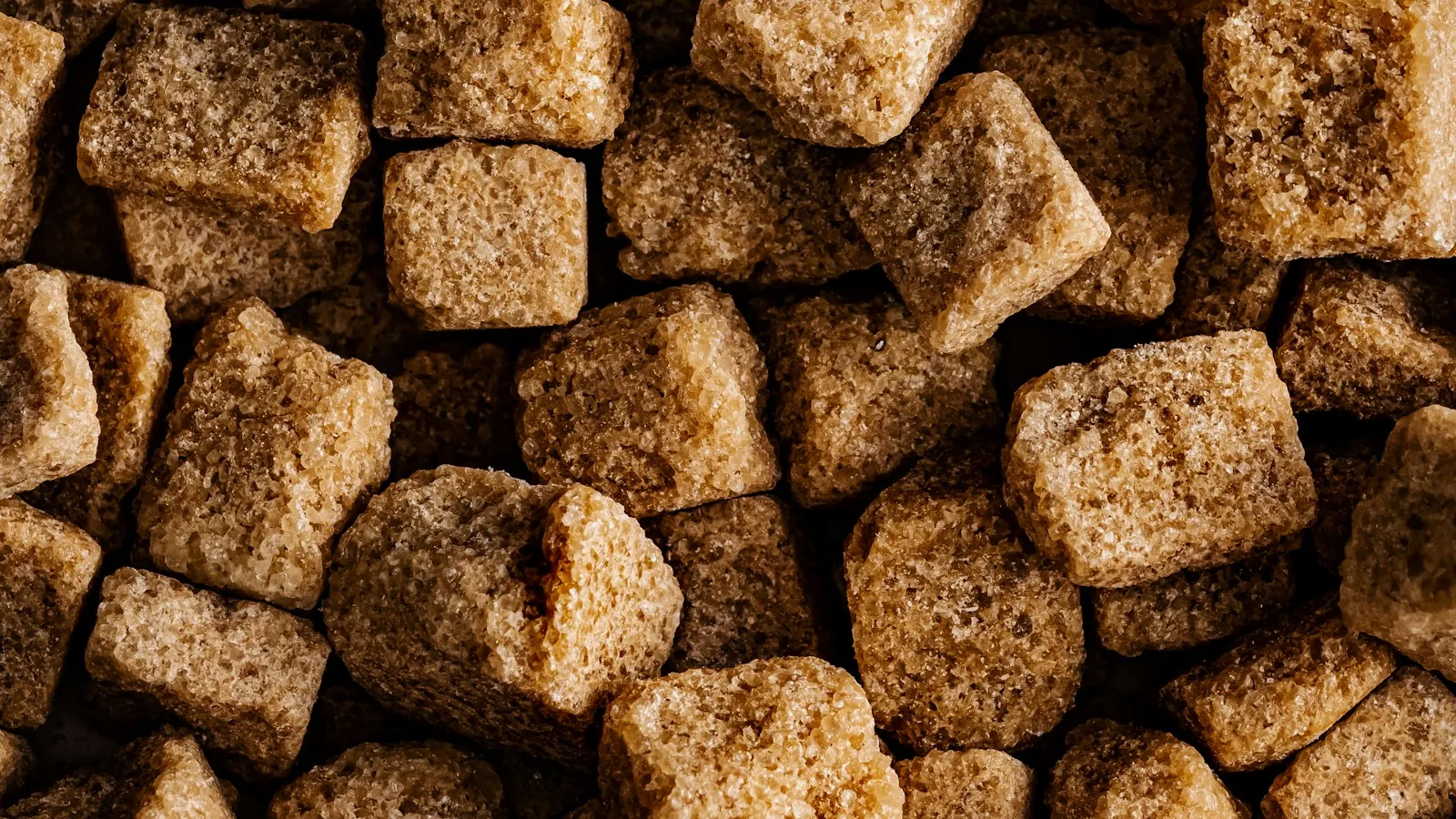
Once the bag is open, that water starts leaving. Dry winter air, a loose clip, or a cardboard box with a torn liner all speed it up. As the molasses dries, it stops acting like a lubricant between crystals and starts acting like glue. Give it a few weeks and you have something closer to a brick than an ingredient.
The sugar hasn't gone bad. Nothing has grown on it, and the flavor is the same. It only needs its water back.
The fastest fix: soften brown sugar in the microwave
This is the method to use when you're mid-recipe and need a cup of sugar now.
- Break off roughly what you need, or put the whole lump in a microwave-safe bowl.
- Cover the bowl with a damp paper towel. Wring it out so it's wet but not dripping.
- Microwave on high for 20 seconds.
- Press the sugar with a fork. If it gives, break it up. If it's still hard, heat in another 20-second burst.
- Stop as soon as it crumbles. Measure and use it while it's warm.
The paper towel releases steam that the molasses absorbs, and the heat loosens the bonds between crystals. Small amounts (half a cup or so) usually need one or two bursts. A full 2-pound brick may take a minute or more, and you'll get better results breaking it into chunks first.
Don't walk away. Sugar left too long will start to melt at the edges and then set harder than before, like candy. It also gets very hot. Melted sugar can burn skin badly, so use a fork, not your fingers, to test it.
Can you soften brown sugar in the oven instead?
Yes, and it's useful if you don't own a microwave or need to soften a large amount at once. Spread the sugar on a rimmed baking sheet or in an oven-safe dish and heat it at 250°F. Check after 5 minutes and break up the lumps with a fork. Larger batches may need a few minutes more.
The oven is gentler than the microwave but less precise. The same rule applies: the sugar is soft only while warm. As it cools, the dried-out molasses firms up again, because heat alone didn't add any water. If you want the oven method to last, set a small oven-safe cup of water on the sheet next to the sugar, or cover the dish with foil to trap a little steam.
Comparing the methods
Here is how the common options stack up.
| Method | Time to soften | Stays soft after? | Best for |
|---|---|---|---|
| Microwave with damp paper towel | 20 to 60 seconds | No, use right away | Mid-recipe emergencies |
| Oven at 250°F | About 5 minutes | No, use right away | Large amounts, no microwave |
| Slice of bread in a sealed container | 12 to 24 hours | Yes | Restoring a whole bag overnight |
| Apple wedge in a sealed container | 12 to 24 hours | Yes | Same as bread; remove after a day or two |
| Soaked terra cotta disk | 8 to 24 hours | Yes, for weeks | Prevention and slow rescue |
| Food processor or grater | 1 to 2 minutes | It's still dry | Recipes that melt or dissolve the sugar |
Heat is fast but temporary. Moisture added slowly in a sealed container is slow but permanent.
If you can wait a day: bread, apple, or terra cotta
When there's no rush, adding moisture back over time gives you sugar that stays soft for weeks instead of minutes.
Bread. Put the sugar in an airtight container or zip-top bag with one slice of soft sandwich bread. Seal it and leave it overnight. The bread gives up its moisture, the molasses takes it in, and by morning the sugar is scoopable again. The bread will be dry and stiff; toss it. Don't leave it in for more than a couple of days, since bread can mold, and a sealed container traps moisture the way a sealed plastic bag does.
Apple. A wedge or two of a crisp, fresh apple works the same way. It's a touch wetter than bread, so it works a bit faster, but it can leave sticky spots where it touches the sugar. Pull it after a day or two for the same reason you pull bread: fruit sitting in a sealed container will eventually spoil.
Terra cotta disk. These small clay disks (often sold as "brown sugar savers" and shaped like bears or leaves) are the tidiest option. Soak the disk in water for 15 to 20 minutes, pat it dry so it isn't dripping, and bury it in the sugar in a sealed container. The clay releases water slowly. Re-soak it every month or two, or whenever the sugar starts to stiffen. A clean, unglazed terra cotta pot shard works too.
Damp paper towel. In a pinch, a folded damp paper towel set on a square of plastic wrap or foil on top of the sugar (so it doesn't drip into it) will soften a container overnight.
Grating or pulsing when you just need it loose
Sometimes you don't need soft sugar, only loose sugar. If the recipe melts the sugar into butter, dissolves it in a sauce or brine, or cooks it into a glaze, dry crumbly sugar works fine.
Break the lump into chunks and pulse it in a food processor until it looks like coarse sand, usually 30 seconds to a minute. A box grater or a sturdy mortar and pestle also works for small amounts. Expect the processor blade to rattle; it's loud but fine. Pulse white sugar long enough and you get homemade powdered sugar.
This isn't the right move for cookies or anything where you cream brown sugar with butter. Dry crystals won't cream the same way, and you'll lose some of the chew that moist brown sugar gives. For those, soften it first with one of the other methods.
Does hard brown sugar measure the same?
Not quite, which is one more reason to soften it before baking. Recipes assume "packed" brown sugar, meaning you press it firmly into the cup until it holds the cup's shape when turned out. A packed cup of light brown sugar weighs about 213 grams (7.5 ounces).
Hard sugar that you've chipped into chunks leaves air gaps, so a cup of it weighs less than the 213 grams a packed cup should weigh. Sugar that's been ground fine can pack tighter than normal and weigh more. If you have a kitchen scale, weigh it and skip the guesswork. It's also lost a little water, so the weight is slightly more sugar than usual, though in most recipes you won't notice.
Is old, hard brown sugar still safe to eat?
Yes. Sugar is too dry and too concentrated for bacteria to grow in it, which is why it's used as a preservative in jams. Hard brown sugar is a texture problem, not a safety one.
The exceptions are the same as for anything in your pantry, from flour to ground spices. Throw it out if you see insects, webbing, mold, or a sour or fermented smell. Mold is rare and usually means water got in (a wet spoon, a leak, a bag stored by the sink). Pantry pests like ants love sugar, so a container that seals tightly protects against them as well as against drying.
How to keep brown sugar from hardening again
Prevention is easier than rescue. A few habits keep brown sugar soft for months, and a tight lid helps with most pantry storage too.
- Use an airtight container. A glass jar with a rubber gasket or a plastic container with a snapping lid beats the original bag. If you keep the bag, squeeze out the air and seal it inside a zip-top bag.
- Keep a moisture source in it. A soaked terra cotta disk lives in the container and does most of the work. Re-soak it when the sugar starts to firm up.
- Store it somewhere cool and stable. A pantry shelf away from the stove, dishwasher, and sunny windows is ideal. Heat drives off moisture faster.
- Skip the fridge. Refrigerator air is dry and will harden it faster. The freezer is different: sealed tightly, brown sugar keeps well frozen. Let it thaw in its sealed container so condensation doesn't form on the sugar, then stir to redistribute any moisture.
- Buy what you'll use. If you bake brown sugar cookies twice a year, a 1-pound box makes more sense than a 2-pound bag.
Dark brown sugar, with its higher molasses content, tends to stay softer a bit longer than light, but both will harden in an open bag.
What if you're out of brown sugar entirely?
If the bag is past saving or empty, you can make your own, or bake with honey and a few adjustments. Stir 1 tablespoon of molasses into 1 cup of granulated sugar for light brown sugar, or 2 tablespoons for dark. Mash it with a fork or run it in a stand mixer for a couple of minutes until the color is even and there are no streaks.
Homemade brown sugar is soft and moist from the start, and it tastes the same in baking. Store it the way you'd store the store-bought kind, sealed, with a terra cotta disk if you have one.
 Watching hard brown sugar loosen with moisture and heat
Jerry James Stone shows how quickly a stiff block of brown sugar gives way. The change from brick to crumble is easier to judge by eye than by a timer.
How to Soften Brown Sugar
By Jerry James Stone on YouTube. Their method may vary a little from ours. Watch on YouTube
- Watch how damp the paper towel looks, since the piece above says it should be wet but not dripping.
- Compare how the sugar breaks apart with a fork against the 20 second bursts the microwave method calls for.
- Notice how soft the sugar is right after heating, then remember that it firms up again as it cools.


