Food Storage
Where Should You Store Bread: the Fridge, the Freezer or a Bread Box?
 By the CookClear writers
Checked against USDA and FDA food safety guidance
 Clear Answer
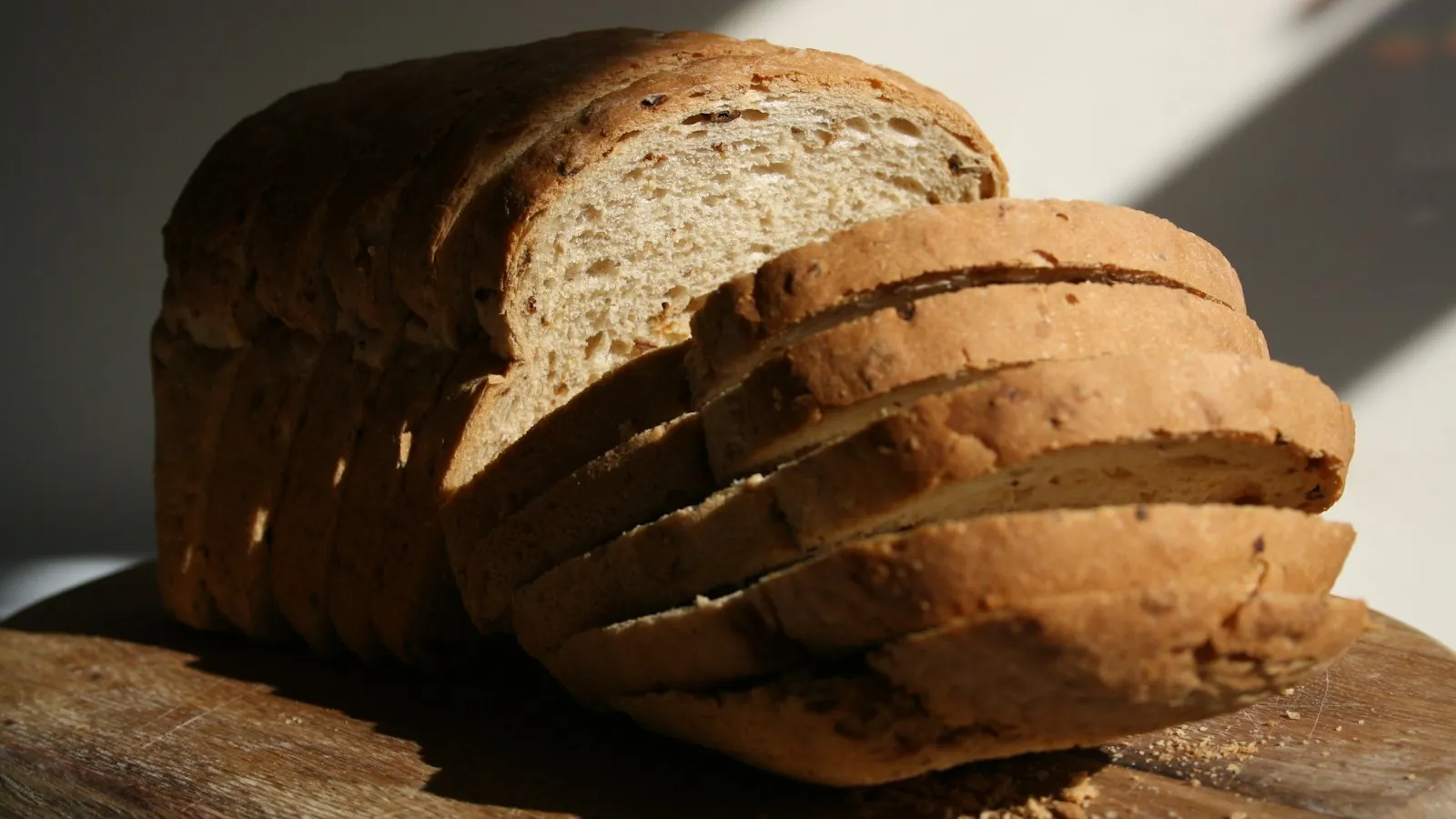
The freezer wins by a mile: well-wrapped bread holds good quality for about 3 months, while a bread box or the counter gives you roughly 2 to 4 days. The fridge is the worst choice for texture. Cold temperatures speed up staling, so refrigerated bread turns dry and firm faster than bread left at room temperature, even though it molds more slowly.
The short rule: keep what you will eat in the next couple of days at room temperature, and freeze the rest right away.
Why does the fridge make bread go stale faster?
Stale bread has usually lost very little water. When bread bakes, the starch in the flour absorbs water and swells into a soft, gel-like structure. As the loaf cools and sits, those starch molecules slowly line back up into tight crystals and squeeze water out of their structure. Food scientists call this starch retrogradation, and it is what makes a crumb feel firm, dry and crumbly even when the loaf has barely lost any weight.
Retrogradation runs fastest at temperatures just above freezing. A home fridge set at 40°F or a little below sits right in that zone. America's Test Kitchen puts it plainly: the cold fridge speeds up retrogradation. Older cereal-science research is often summarized as bread staling several times faster at fridge temperature than at room temperature, and if you have ever pulled a sandwich loaf out of the fridge after two days, you have felt it.
Freezing works differently. Once bread drops well below 32°F, the water is locked up as ice and the starch can no longer move around and recrystallize. Staling more or less pauses until you thaw it.
When does refrigerating bread make sense?
There are a few cases where the fridge is the lesser evil:
- Hot, humid kitchens. If your kitchen runs above 80°F in summer and bread grows mold in 2 or 3 days, the fridge trades texture for a few extra days without fuzz. Toasting brings most of the softness back.
- Bread with perishable fillings. Loaves or rolls with cheese, meat, cream cheese or custard should be refrigerated like any other perishable food. Follow the USDA 2-hour rule: do not leave them out longer than 2 hours at room temperature (1 hour above 90°F).
- Preservative-free sandwich bread you only toast. If every slice goes into the toaster anyway, the fridge firming is less of a problem.
For a plain sandwich loaf or a crusty boule in a normal kitchen, the freezer is still the better long-term spot.
How long does bread last in each spot?
These are realistic ranges for good quality, assuming the bread is stored properly. Bakery bread without preservatives sits at the short end; packaged supermarket bread with preservatives sits at the long end.
| Storage spot | Sandwich or soft bread | Crusty artisan loaf | Main problem |
|---|---|---|---|
| Counter, in its bag | 3 to 5 days | 1 to 2 days | Mold in humid kitchens; crust goes soft in plastic |
| Bread box | 3 to 5 days | 2 to 3 days | Still stales, just a bit slower |
| Paper bag | 2 to 3 days | 1 to 2 days | Dries out quickly |
| Refrigerator | Up to 7 days before mold, but stale in 1 to 2 | Stale and leathery in a day | Fast staling |
| Freezer, well wrapped | About 3 months | About 3 months | Freezer burn if air gets in |
King Arthur Baking gives the same 3-month freezer window for most breads and suggests using gluten-free bread within a month. America's Test Kitchen is more cautious and suggests about 1 month for best flavor. Both are fine; bread frozen longer is safe, it just picks up freezer odors and dries out at the edges.
Is a bread box actually worth it?
A bread box helps, but modestly. It works by holding the loaf in a small, enclosed space where the bread's own moisture keeps the air around it slightly humid. That slows the crust from drying and keeps the crumb from losing water, while leaving enough air flow that condensation and mold do not build up the way they can in a sealed plastic bag.
It helps crusty bread most. A sourdough boule or baguette sealed in plastic goes soft and chewy within a day because the crust reabsorbs moisture. On an open board it dries out. A bread box sits between those two, so you get a crust that stays reasonably crisp for an extra day or so.
What a bread box cannot do is stop retrogradation. The starch keeps recrystallizing at room temperature no matter what container the loaf is in. Expect a gain of about a day over the counter, not a week.
Getting the most from a bread box
- Keep only one or two loaves in it. Overfilling traps too much moisture and invites mold.
- Put it away from the stove, dishwasher and sunny windows. Heat speeds mold.
- Store crusty loaves cut side down on the bottom of the box, which protects the exposed crumb.
- Leave sandwich bread in its plastic bag inside the box if you like it soft.
- Wipe the box out every week or two with a cloth dampened in a little white vinegar, then let it dry fully. Mold spores linger in crumbs.
What's the best way to freeze bread so it tastes fresh later?
Freezing well is mostly about keeping air out. Here is the method that works for nearly any loaf:
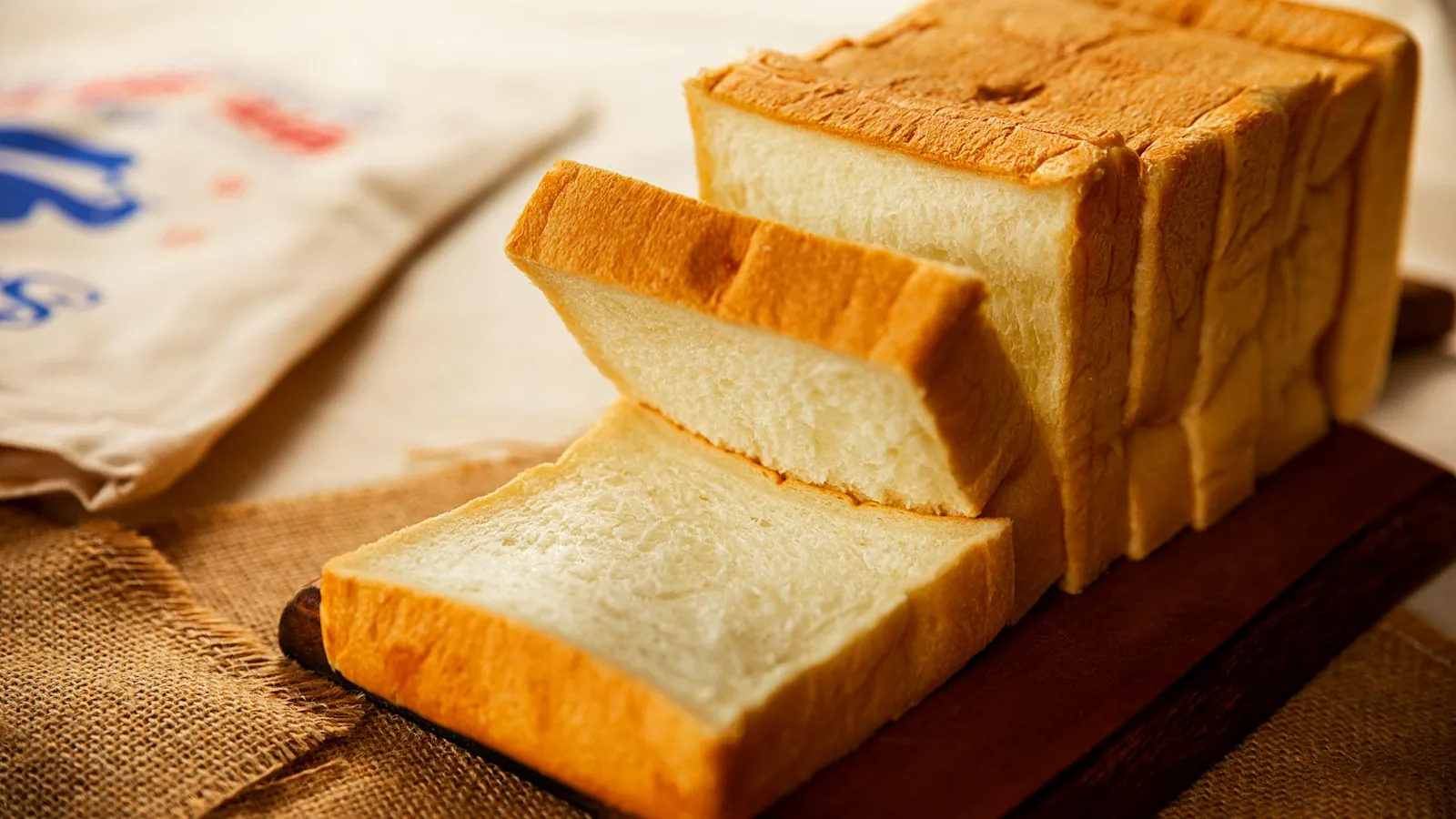
- Let it cool completely. Warm bread wrapped tight creates condensation, which turns to ice crystals and soggy spots. Give a fresh-baked loaf at least 2 hours.
- Slice it first unless you plan to serve the whole loaf at once. Sliced bread lets you pull out two pieces for toast instead of thawing everything.
- Wrap in two layers. Plastic wrap or foil directly against the bread, then a zip-top freezer bag with as much air pressed out as possible. ATK suggests foil then plastic; King Arthur suggests plastic wrap inside a bread bag. Both work because two layers block air better than one.
- Label it with the date. Bread is easy to forget behind the frozen peas.
- Freeze it on the day you buy it, or the day after at most. Freezing pauses staling, it does not reverse it. A loaf that is already stale goes into the freezer stale and comes out stale.
Skip icing, glazes or a buttery brush until after thawing. Seeds, oats and other dry toppings freeze fine.
How do you thaw frozen bread without it getting soggy?
Match the method to how much bread you are thawing:
- Single slices: Toast them straight from the freezer. Most toasters handle it on a slightly higher setting. Left on the counter, slices thaw in under 30 minutes.
- Rolls: About 1 hour at room temperature, still in the bag so they reabsorb the moisture that forms on the surface.
- Whole loaf: About 3 hours on the counter, still wrapped. Then, for a crusty loaf, unwrap it and bake at 350°F for 5 to 10 minutes to crisp the crust. Tent with foil if the top is browning too fast.
- In a hurry: Wrap a slice or roll in a barely damp paper towel and microwave for about 30 seconds. Eat it right away, because microwaved bread firms up quickly as it cools.
Heating to around 140°F or more temporarily melts the starch crystals that formed during staling. That is why a few minutes in the oven makes a day-old loaf taste close to fresh. The effect only lasts until it cools, so warm what you plan to eat now.
Does sliced bread or a whole loaf keep better?
An unsliced loaf keeps better at room temperature because the crust protects the crumb. Every cut surface is a place where moisture escapes. If you buy a whole boule, slice only what you need, then set the loaf cut side down on a board or in the bread box.
For the freezer the logic flips. Slicing before freezing is easier because you take out exactly what you need, and slices thaw evenly in minutes. Whole loaves freeze fine too if you plan to serve them all at once, such as for a dinner.
Why does some bread mold fast and some seem to last forever?
The difference is ingredients and moisture. Supermarket sandwich bread usually contains preservatives such as calcium propionate, plus added fats, sugars and dough conditioners that slow both mold and staling. It can stay soft on the counter for a week.
Bakery bread and homemade bread usually have none of that, so 2 to 3 days is normal. Sourdough tends to last a bit longer than yeasted bread because its acidity slows mold. Enriched breads like brioche, made with butter and eggs, stay soft longer but can mold sooner in a warm kitchen.
If you see mold on a loaf, the USDA advises throwing the whole thing out. Bread is soft and porous, so mold roots can spread well beyond the visible spot. Do not cut off the patch and eat the rest. A stale heel with no mold still has one job left: it softens hard brown sugar.
A simple storage plan for most kitchens
Most households do best with a two-spot system:
- Next 2 to 3 days: Counter or bread box. Soft bread stays in its plastic bag; crusty bread goes cut side down on a board or in the box.
- Anything beyond that: Sliced, double wrapped and frozen the day you bring it home.
- Fridge: Only for bread with perishable fillings or a kitchen that is hot and humid enough to mold bread in a couple of days.
That approach gives you fresh-tasting bread on demand and wastes far fewer heels and half loaves. The same freezer-first thinking works for other staples, so look at how to store food before you toss anything you cannot finish.
 How to wrap a loaf so it freezes well
Wrapping technique decides whether bread comes out of the freezer tasting fresh or dull, and hand motions are hard to picture from text. Baking Great Bread at Home shows the method start to finish.
How to Freeze and Thaw Bread | Keep Your Loaf Fresh
By Baking Great Bread at Home on YouTube. Their method may vary a little from ours. Watch on YouTube
- Notice whether the loaf is cooled and sliced first, as the freezing steps above insist, to avoid ice crystals and soggy spots.
- Look at how many layers of wrap go on and how much air is pressed out before the bread is sealed.
- Compare the thawing method shown with the single slice, roll and whole loaf timings listed above.